Localized Repair
A separated seam, damaged edge, or failed flashing may be repairable when the surrounding membrane is secure and the layers below are sound.



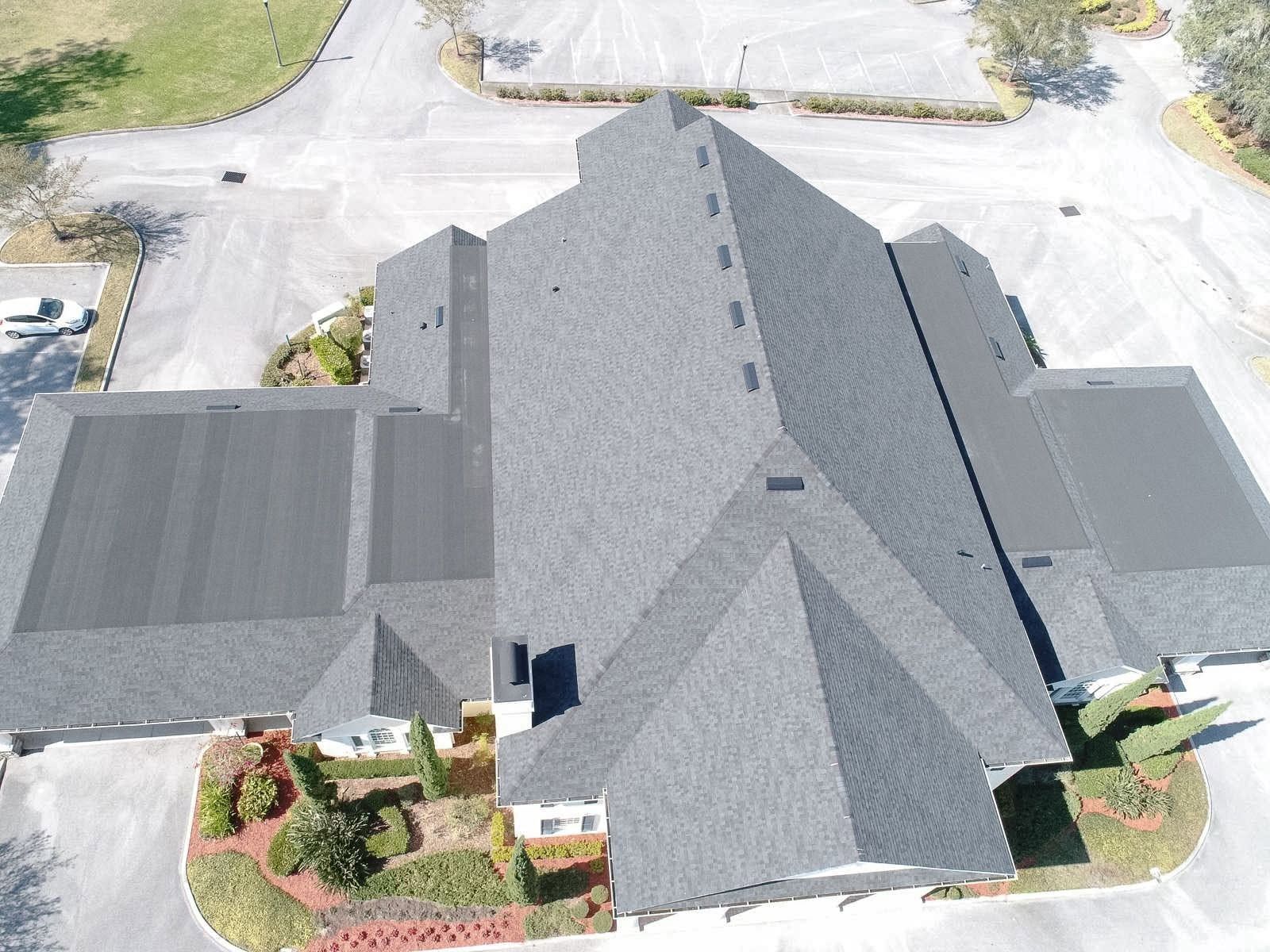
Straight Forward Construction evaluates modified bitumen roofs across Polk County. From a leaking low-slope addition to an aging commercial membrane, we assess the roof and explain what a repair or replacement would involve.
Modified bitumen is a reinforced asphalt membrane used on low-slope roofs. When leaks appear, we look at how the roof was built, where water drains, and whether the material around the defect can support a repair.
On a home, the inspection may focus on where a porch or addition ties into a steeper roof. On a commercial property, we also check roof drains, equipment curbs, and areas where regular service traffic can wear the surface.
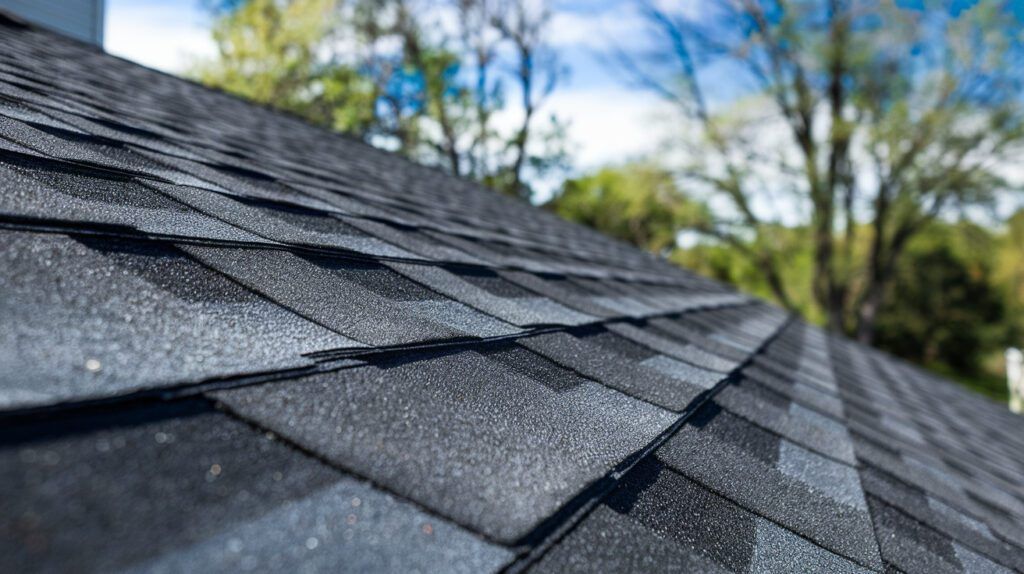
A separated seam, damaged edge, or failed flashing may be repairable when the surrounding membrane is secure and the layers below are sound.
Recurring leaks, widespread deterioration, or moisture below the surface may call for removing affected layers and addressing drainage before installing a new system.
For an addition or a new roof section, we discuss the proposed base and cap sheets, how the roof will drain, and how it will connect to adjoining surfaces.
Learn more about modified bitumen systems, compare flat roofing options, or explore our Polk County roofing services.

Our Auburndale-based team serves Polk County communities including Lakeland, Winter Haven, Davenport, and Lake Alfred. Share your address, when the leak appears, and what was done during any previous repairs.
For an occupied building, tell us about delivery schedules, rooftop equipment, and entrances that need to remain open. We can account for access, work areas, and cleanup when discussing the scope.
Previous roofing paperwork can help identify the product. If the system is unknown, we look at the membrane, surfacing, seams, and exposed details during the evaluation.
Often, yes. We assess how far the damage extends and whether the surrounding membrane, flashing, and substrate can support a localized repair.
We check outlets, drains, and low spots to see why water is collecting. The scope may need to address drainage or the roof surface beneath the membrane.
Look for the roof areas included, what will be removed, the proposed membrane layers, how seams and flashing will be handled, and what happens if damaged material is found after work begins.
Tell us where the property is, what you’re seeing, and whether the roof has been repaired before. We’ll discuss the next step for your low-slope roof.