Drains, Scuppers and Gutters
Remove included surface debris, review strainers and visible flow paths, identify ponding clues, and flag blocked or poorly draining areas that may require plumbing, structural, or design review.

Commercial roof maintenance helps owners and property managers find manageable defects before they become interior damage, operational disruption, or emergency spending. Straight Forward Construction builds the scope around the roof system, drainage, rooftop traffic, equipment, repair history, and the property’s real priorities.
A commercial roof changes between major projects. Sealants age, debris collects, drains become restricted, equipment work creates new penetrations, fasteners loosen, seams and flashings move, and small punctures can remain unnoticed until the next heavy rain. A repeatable maintenance process creates opportunities to catch those conditions earlier.
The plan should fit the roof rather than force every property into the same checklist. Membranes, coatings, metal panels, mixed-slope areas, parapets, gutters, internal drains, scuppers, curbs, skylights, and rooftop equipment all require different attention.
A useful visit does more than report that the roof is present. It checks the areas where weather, movement, drainage, equipment service, and human traffic create new risk.
Remove included surface debris, review strainers and visible flow paths, identify ponding clues, and flag blocked or poorly draining areas that may require plumbing, structural, or design review.
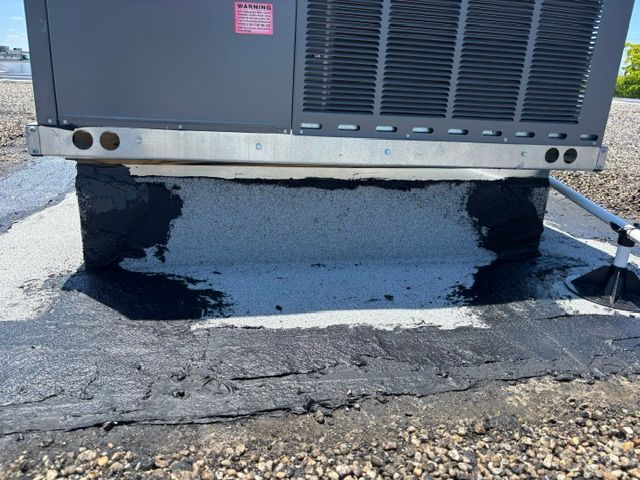
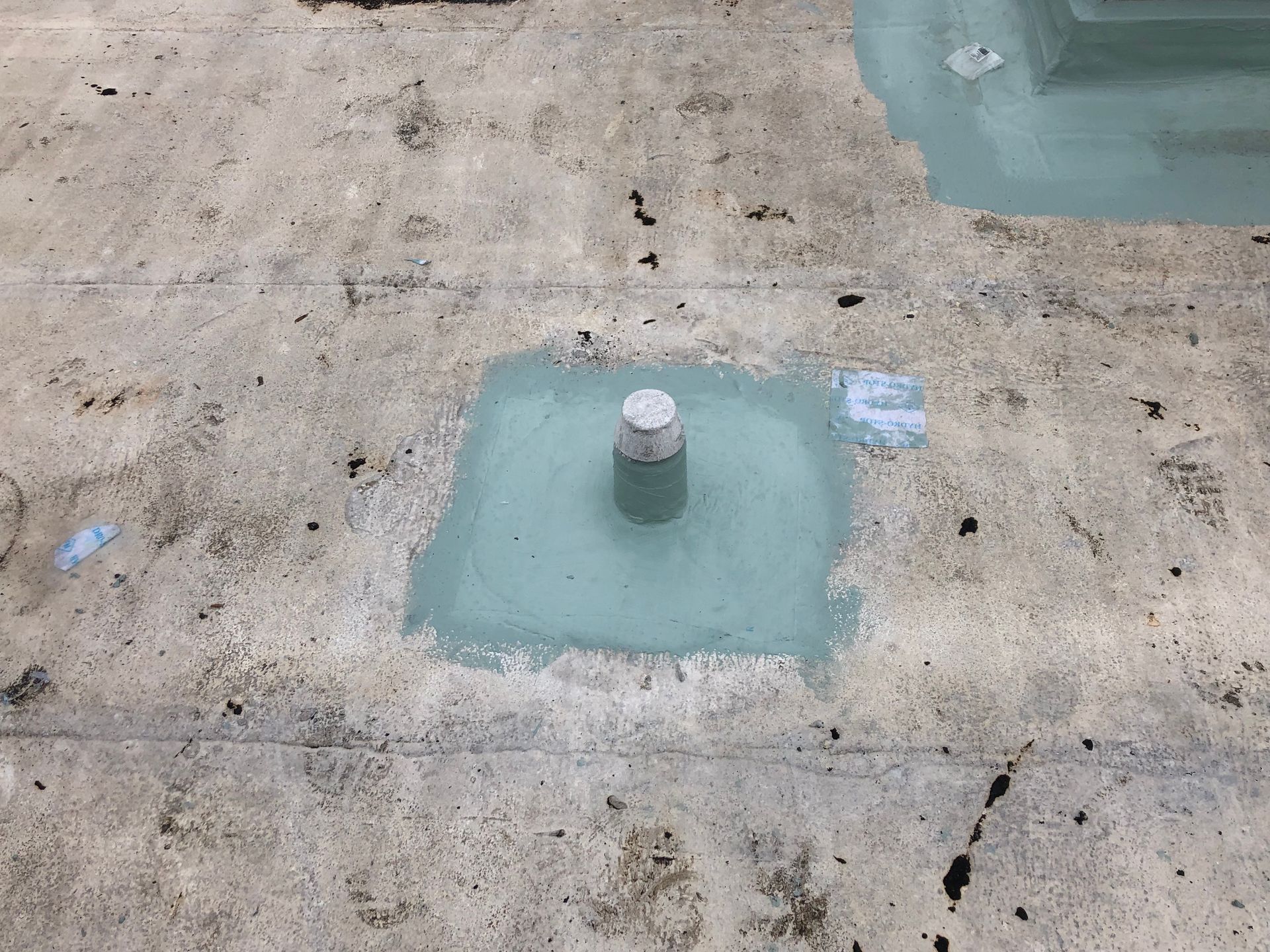
Check accessible curbs, pipes, vents, walls, pitch pans, skylights, transitions, terminations, and sealant conditions for openings, movement, cracking, or prior patch failure.
Look for punctures, splits, open seams, displaced components, surface wear, coating failure, loose fasteners, corrosion, impact, and traffic-related damage appropriate to the roof type.
Document abandoned materials, dropped screws, service traffic, new penetrations, unsecured lines, blocked drainage, or HVAC and electrical work that may have affected the roof.
Define compatible repairs for included defects and distinguish work that can be completed now from conditions requiring testing, broader investigation, or a separate capital scope.
Maintain dated photos, observed conditions, completed work, recurring areas, and recommended next actions so future decisions are based on a history instead of memory.
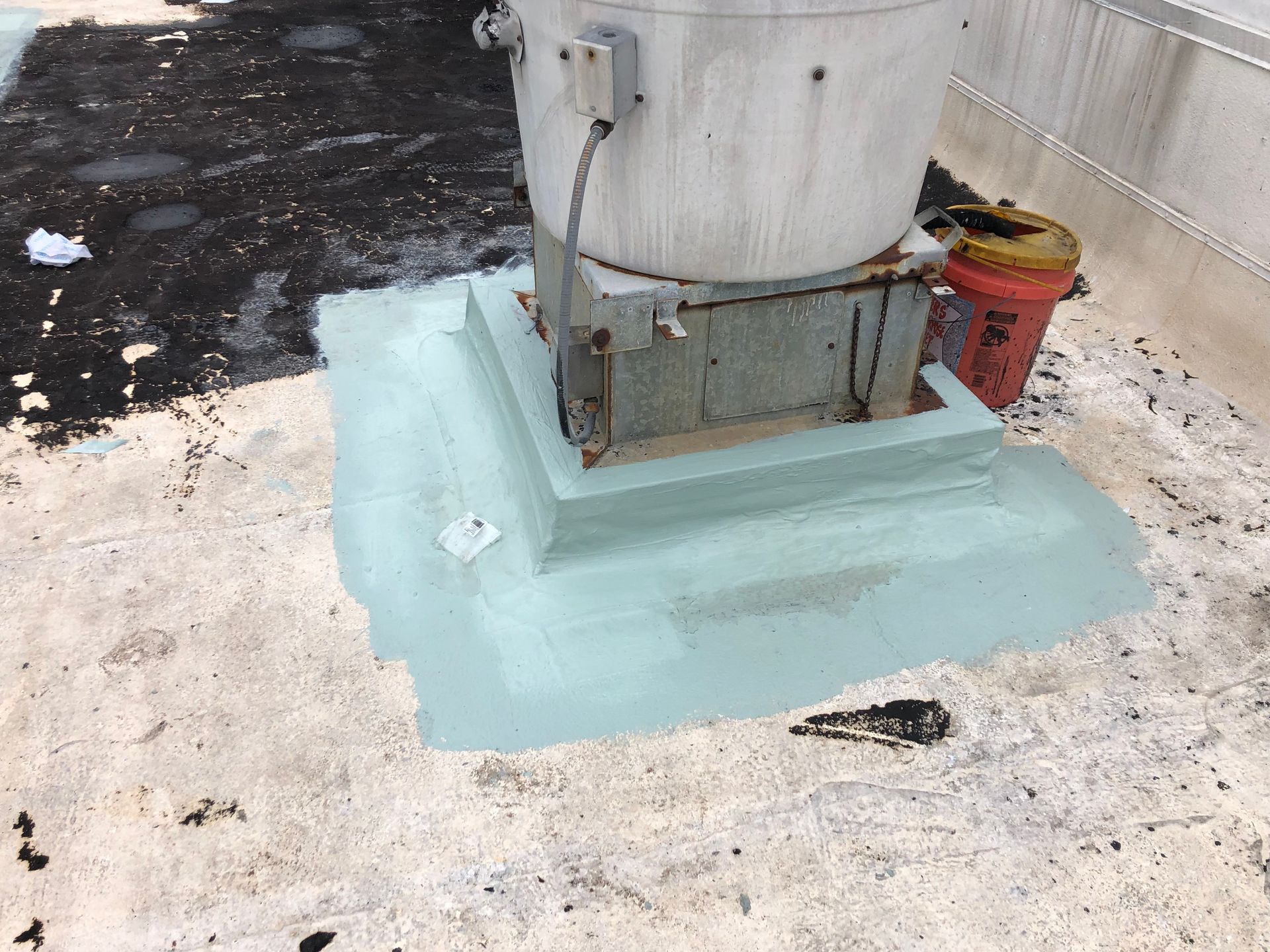
Routine care is valuable when the surrounding roof remains serviceable. It is not a substitute for replacement when moisture is widespread, materials have lost repairability, drainage needs reconstruction, insulation or decking is compromised, or recurring failures appear across multiple areas.
Appropriate when defects are isolated, the assembly remains repairable, drainage can function, and targeted work supports a practical remaining service period.
Appropriate when failures are systemic, repair spending repeats without control, wet materials are extensive, or the roof no longer supports the property’s operational and ownership goals.
Use maintenance findings and repair history to forecast restoration or replacement before an avoidable emergency forces the decision.
The exact work changes by system and condition, but every useful commercial scope should move from evidence to priorities, controlled execution, and documented closeout.
Review the roof type, known age, leak history, prior repairs, equipment, access, occupants, drainage, and ownership goals.
Evaluate accessible conditions with attention to system-specific defects and changes since the prior visit.
Separate urgent water-control issues, corrective maintenance, monitored conditions, and longer-term replacement needs.
Complete authorized cleaning and compatible minor repairs while protecting occupants, equipment, and operations.
Provide included findings and photos, note completed work, and set a practical next inspection or follow-up point.
Frequency depends on roof type, age, condition, tree exposure, rooftop traffic, drainage, warranty requirements, severe weather, and leak history. Many properties benefit from planned reviews at least annually and after major storms, but the correct schedule should follow the building.
They overlap, but not completely. An inspection documents condition and recommendations. Maintenance may also include authorized debris removal and minor compatible corrective work. The exact scope should be defined before the visit.
No. It reduces avoidable risk and can expose developing problems, but it cannot prevent concealed defects, severe weather damage, later trade damage, equipment leaks, plumbing failures, or deterioration outside the authorized scope.
Useful records may include dated roof-area photos, drainage conditions, defects, prior repairs, completed work, recurring locations, limitations, and recommended priorities. Documentation requirements should match how the owner manages the asset.
Yes. Service traffic, dropped fasteners, dragged panels, abandoned materials, unsecured lines, and new penetrations can damage membranes or block drainage. Walk pads, coordination, and post-trade checks can reduce risk.
When failures are widespread, repairs recur across the roof, moisture or substrate damage is extensive, compatible repairs are unreliable, or maintenance spending delays an unavoidable replacement without providing dependable service.
Build a commercial roof maintenance plan around documented conditions, recurring risk areas, operational needs, and the property’s long-term capital strategy.