Surface Materials
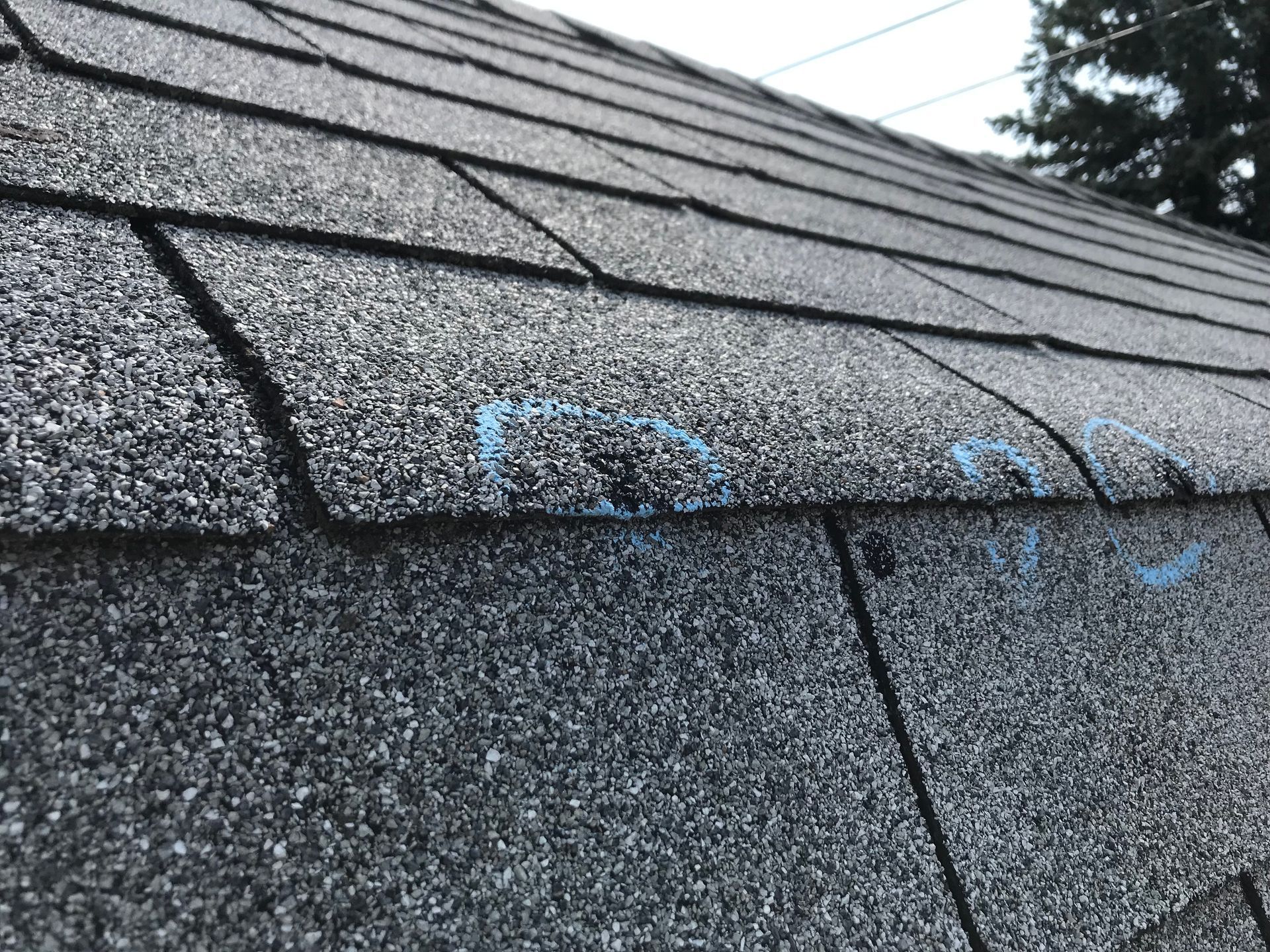
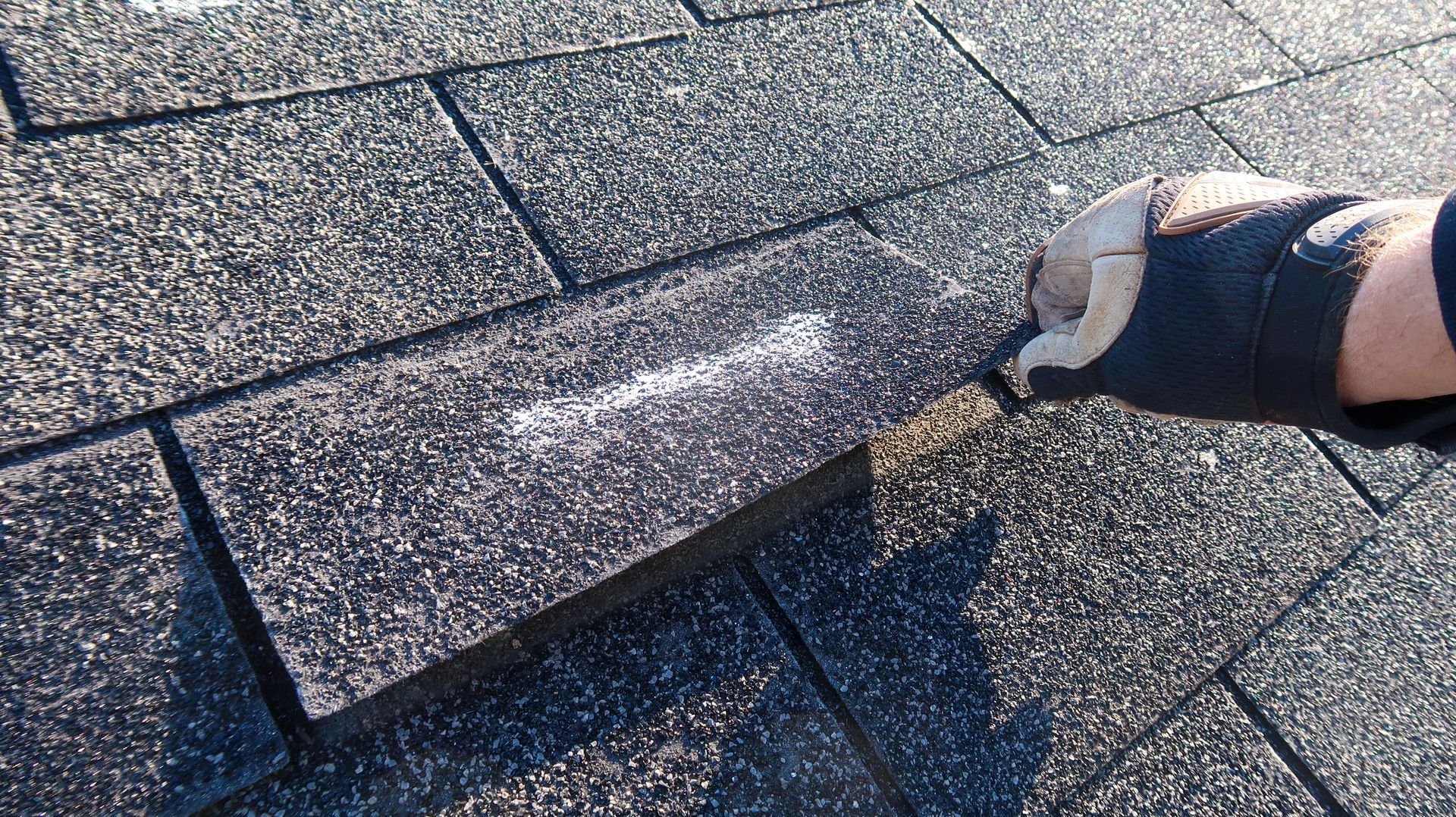
Check accessible shingles, tile, metal, low-slope materials, ridges, seams, fasteners, coatings, and prior patches for visible damage, movement, wear, or openings.

Get a clear look at the roof's condition before a leak, storm concern, property decision, or aging material turns into guesswork. A useful inspection identifies visible problems, explains their urgency, and gives you a practical next step.
A roof can look acceptable from the ground and still have trouble at a flashing, valley, penetration, edge, fastener, or prior repair. It can also show an isolated defect without needing a full replacement.
The inspection should connect visible roof conditions with the reason you called, whether that is an active leak, recent storm, aging materials, maintenance planning, or uncertainty about repair versus replacement.
The exact scope depends on roof type, slope, access, safety, weather, building design, and the concern being investigated. These areas should guide a practical evaluation.
Check accessible shingles, tile, metal, low-slope materials, ridges, seams, fasteners, coatings, and prior patches for visible damage, movement, wear, or openings.
Evaluate valleys, walls, chimneys, curbs, skylights, roof-to-roof transitions, and other details where water can move beneath the visible roof covering.
Review pipe boots, vents, exhausts, caps, collars, drip edges, rakes, eaves, and perimeter details for failed seals, corrosion, gaps, or displacement.
Look for blocked valleys, gutters, downspouts, scuppers, ponding areas, and debris that can hold moisture or send runoff where it does not belong.
When accessible and included, review stains, moisture patterns, daylight, soft areas, ventilation clues, and evidence that can help trace a roof concern.
Separate immediate defects, recommended repairs, maintenance items, conditions to monitor, and areas requiring further testing or a larger scope.
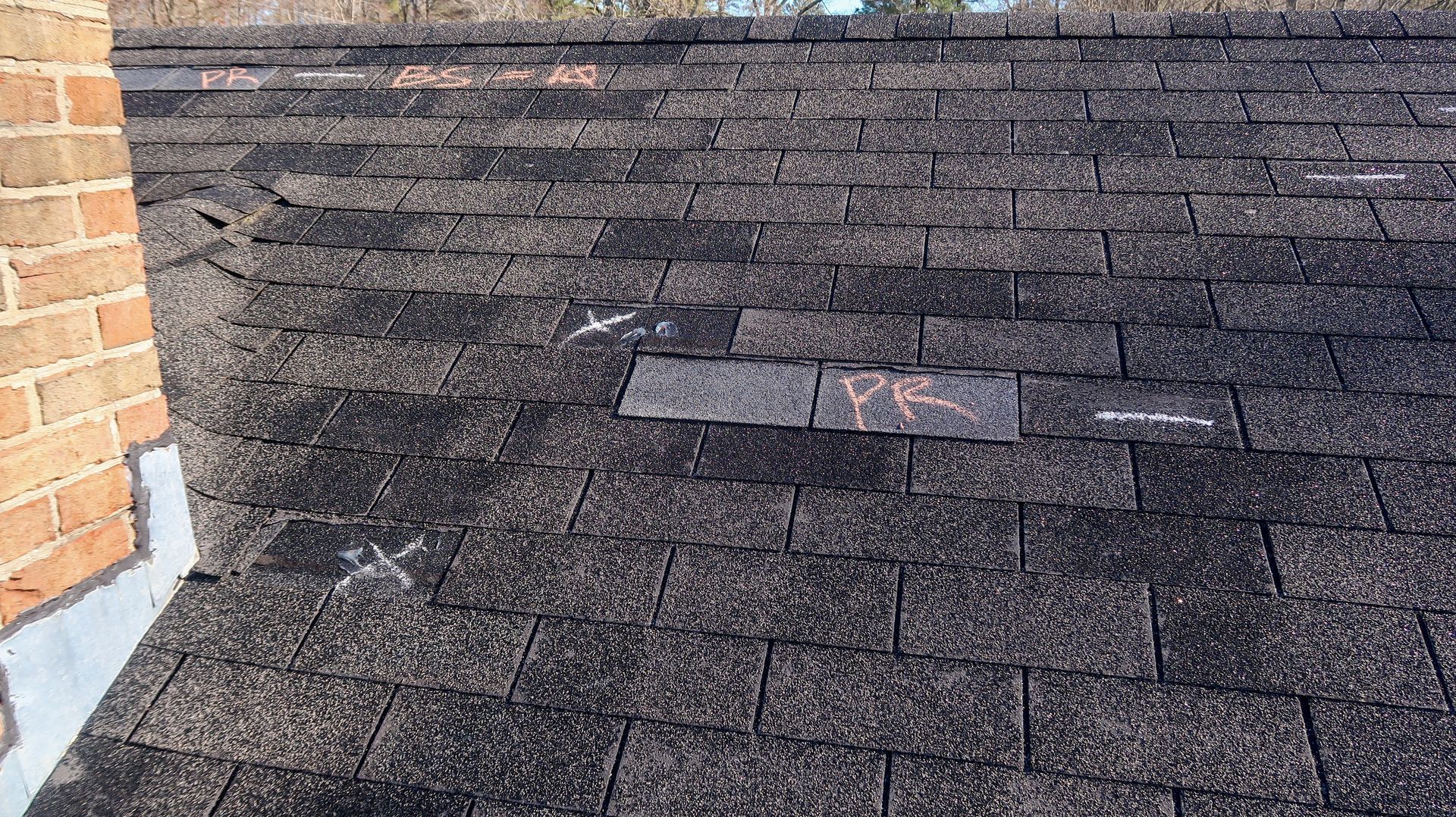
An active leak investigation is not the same as a general condition review. A post-storm evaluation is not the same as planning maintenance on an aging roof. Start with the decision at hand so the inspection addresses the right areas.
Best for active leaks, new stains, missing or displaced materials, damaged flashing, or another concern that needs prompt diagnosis.
Best after high wind, hail, falling debris, impact, or new water entry when visible storm-related conditions need documentation.
Best for aging roofs, preventive planning, repair-versus-replacement decisions, budget preparation, or establishing a baseline.
You should understand what was reviewed, what was found, how urgent each condition is, what remains uncertain, and which next step makes sense.
Review roof age when known, leak history, prior repairs, recent weather, current symptoms, and the decision the inspection needs to support.
Determine which roof and interior areas can be evaluated safely based on slope, material, weather, height, condition, and access.
Evaluate accessible materials, flashings, penetrations, transitions, edges, drainage, prior work, and visible interior clues.
Record relevant conditions and distinguish active defects, likely causes, maintenance needs, monitoring items, and unknowns.
Explain whether maintenance, targeted repair, further testing, replacement planning, or no immediate work is reasonable.
Straight Forward Construction is based in Auburndale and has served customers since 2018 with plain-English findings and property-specific roofing recommendations.
A useful inspection should define the accessible areas reviewed, visible conditions found, limitations, urgency, photo documentation when included, and the next step supported by the evidence.
Work with a roofing contractor whose business is rooted in the same community it serves.
Understand what was reviewed, what was found, what remains uncertain, and why the recommended next step fits.
The scope varies by roof and reason for the inspection. It commonly includes accessible roof materials, flashings, penetrations, valleys, edges, drainage, prior repairs, and relevant visible interior clues. Confirm the exact scope and documentation before the visit.
Yes, when the roof is aging, has been through severe weather, has a history of repairs, or needs a maintenance or replacement plan. Many developing defects do not produce an immediate interior stain.
Request an evaluation when high wind, hail, falling debris, displaced materials, or new water entry may have affected the roof. Treat active leakage or a safety issue as urgent.
No. An inspection evaluates conditions and helps determine what work may be appropriate. An estimate prices a defined scope. A reliable price depends on first understanding the problem.
No. Water can travel from its entry point, and damage can remain concealed beneath roofing, underlayment, flashing, walls, or decking. Findings should state visible evidence, limitations, and whether further testing is recommended.
Documentation varies by inspection type. Ask whether the scheduled scope includes photographs, written observations, repair recommendations, measurements, or another deliverable so expectations are clear.
Schedule a roof inspection to identify visible conditions, understand the urgency, and choose the right next step for your Auburndale property.