Asphalt Shingles
Select shingles around roof conditions, appearance, product specifications, budget, and the expected ownership horizon.


Choose, repair, or replace an asphalt shingle roof with a complete plan for materials, ventilation, flashing, water protection, and Central Florida weather exposure.
The visible shingles matter, but performance also depends on the decking, underlayment, starter course, fastening, flashing, ventilation, valleys, penetrations, and roof edges.
Straight Forward Construction evaluates the existing roof and the details beneath the surface before recommending repair or replacement. The goal is a scope that addresses the cause of the problem and installs each component in the correct sequence.
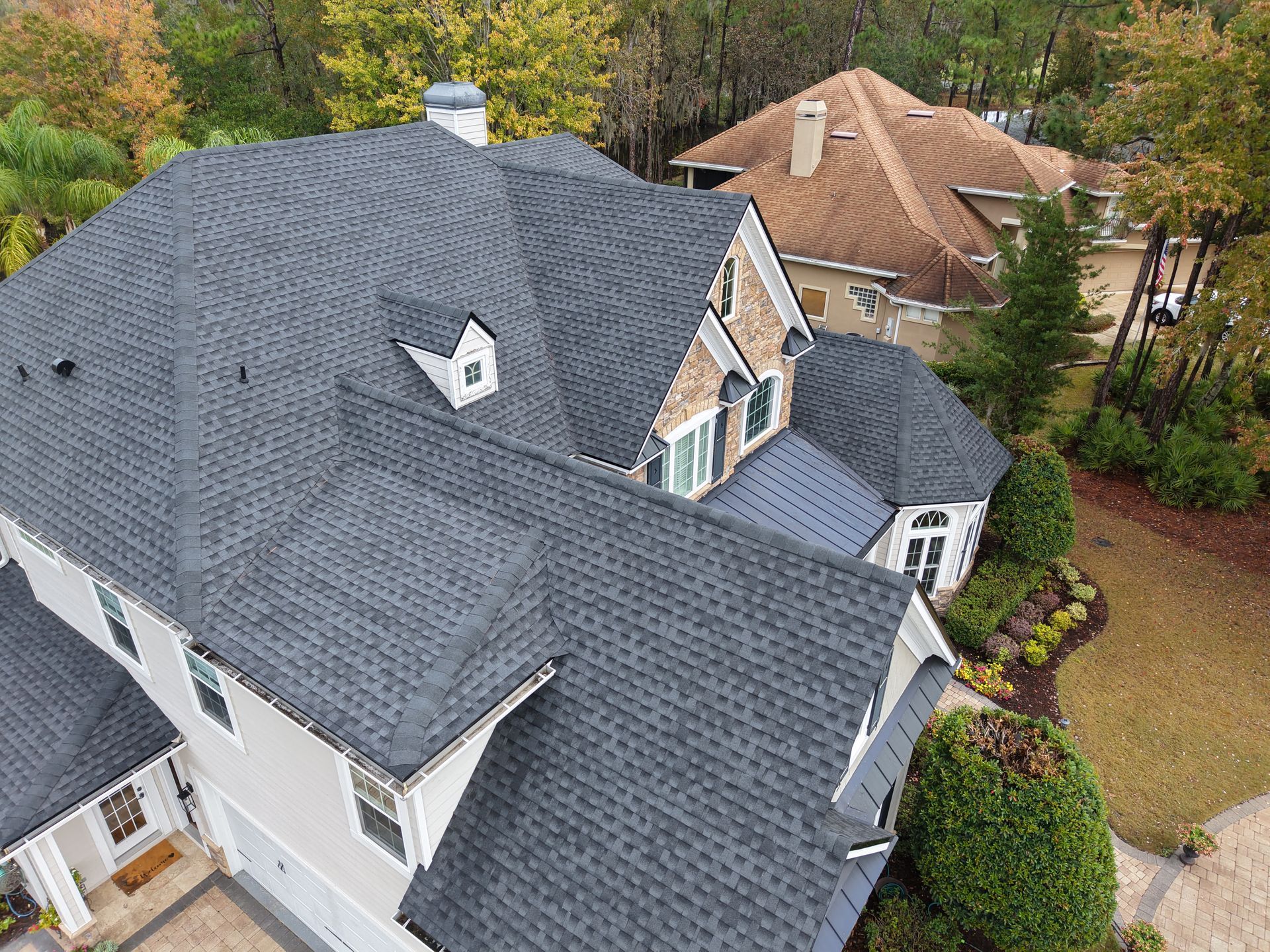
Good shingles can still fail when the layers, fastening, ventilation, or transition details around them are wrong. Every component needs a defined job.
Select shingles around roof conditions, appearance, product specifications, budget, and the expected ownership horizon.
Use the specified underlayment and water-protection details to create a second line of defense beneath the shingles.
Secure the perimeter with compatible starter materials, correct overhangs, edge metal, and fastening at vulnerable roof edges.
Integrate valleys, walls, chimneys, vents, and pipe penetrations so water is directed onto the roof surface and away.
Balance intake and exhaust ventilation where the roof design allows to manage attic heat and moisture.
Follow the approved layout, nail location, exposure, alignment, and sealing requirements for the selected shingle system.
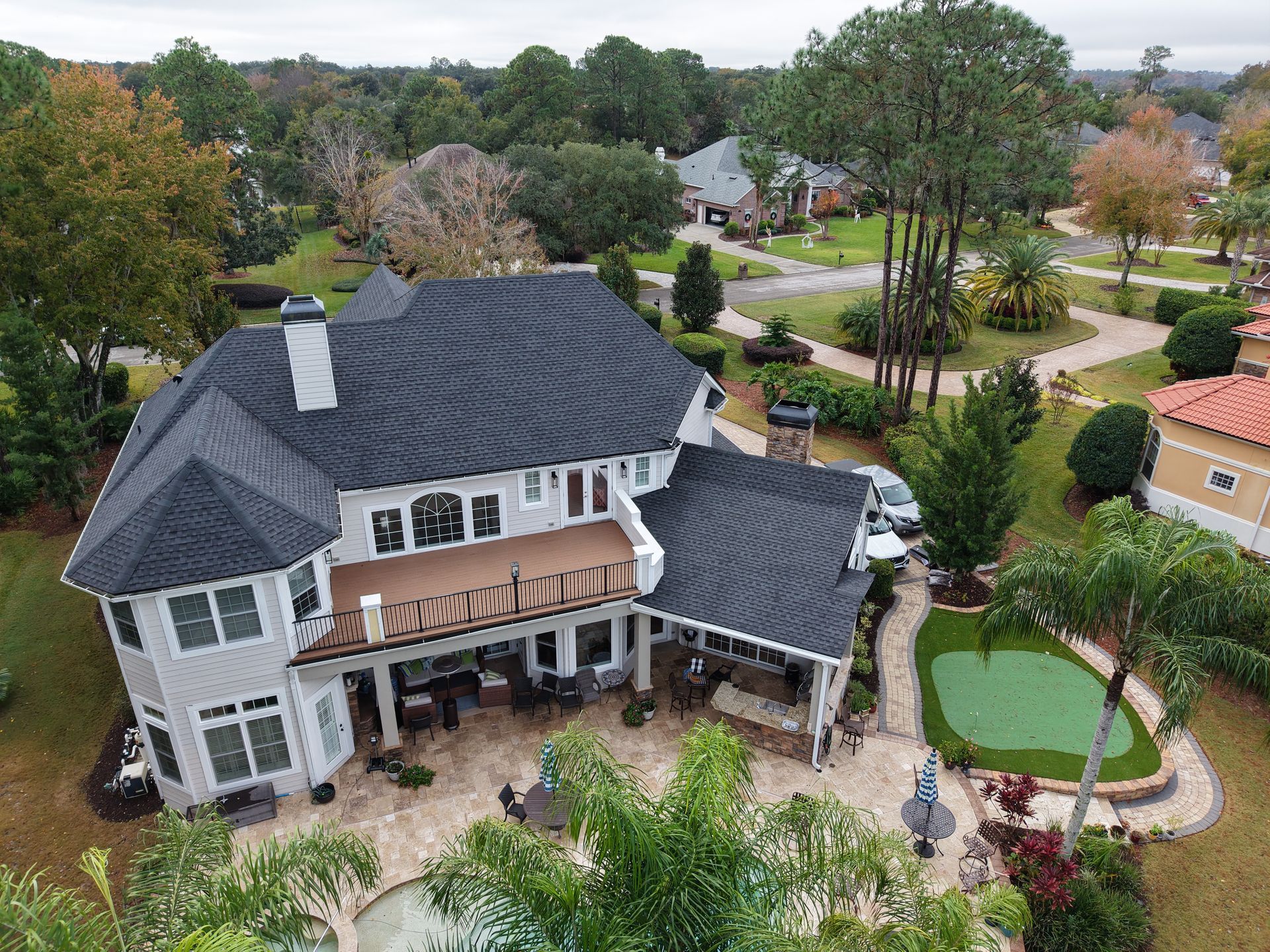
A missing or damaged shingle does not automatically mean the entire roof must be replaced. Repair can be smart when the issue is localized and surrounding shingles remain flexible, serviceable, and compatible with the repair.
Damage is isolated, the leak path can be corrected, surrounding shingles remain serviceable, and compatible materials can be integrated.
Recurring leaks, loose flashing, widespread granule loss, brittle shingles, soft decking, or poor ventilation can change the responsible scope.
Widespread deterioration, repeated repairs, discontinued shingles, or a roof near the end of useful service can make another patch poor value.
You should understand the existing roof, chosen shingles, system components, tear-off or repair scope, property protection, schedule, and treatment of hidden decking damage.
Review shingle condition, roof geometry, leak history, flashing, ventilation, storm exposure, accessible attic clues, and property concerns.
Explain the findings and whether targeted shingle repair, full replacement, or further leak investigation is the responsible direction.
Define shingle product, color, system components, roof areas, access, property protection, schedule, price, and written limitations.
Remove or repair the approved areas, install components in sequence, complete the critical details, and protect the property during production.
Complete cleanup, inspect the finished shingle work, and review documentation, care, and follow-up recommendations.
Straight Forward Construction is based in Auburndale and has served customers since 2018 with plain-English recommendations and property-specific shingle roofing plans.
A shingle proposal should name the selected product and system components, define removal and installation work, address property protection and cleanup, and explain how hidden conditions or added work will be approved.
Work with a contractor whose business is rooted in the same community it serves.
Understand what is included, what is excluded, and how hidden conditions or added work will be handled.
Yes, when damage is isolated and the surrounding roof remains serviceable. A proper evaluation still needs to check why the shingle failed, whether matching material is available, and whether nearby shingles can be manipulated without breaking.
Compare product specifications, wind-rating requirements, appearance, color, algae-resistance options, warranty terms, installation requirements, ventilation needs, and total installed system cost. The best choice is not automatically the thickest or most expensive shingle.
Heat, ultraviolet exposure, heavy rain, wind, humidity, and storm debris can accelerate wear or expose weak installation details. Correct fastening, flashing, ventilation, edge work, and ongoing inspections all matter.
Missing, lifted, creased, cracked, curling, or brittle shingles deserve attention. Also watch for concentrated granules in gutters, exposed asphalt, loose flashing, ceiling stains, damp attic materials, and repeated leaks.
A complete replacement scope should identify the underlayment, starter course, edge metal, valleys, penetrations, flashing work, ridge materials, and ventilation work that are included. Do not accept a proposal that only names the field shingles and ignores the rest of the roof system.
Decking damage is sometimes hidden until shingles and underlayment are removed. The agreement should explain how unsuitable decking will be documented, priced, and approved before work expands beyond the original scope.
Schedule an evaluation to inspect the existing shingles, compare repair and replacement options, and receive a written scope covering the entire shingle roof system.