Roof Repair
Find and correct isolated leaks, damaged roofing, failed flashing, pipe boots, and other localized problems.


Plan repairs, replacements, storm restoration, and new roofing with an Auburndale contractor who starts with the actual roof condition—not a one-size-fits-all sales pitch.
A roofing decision should account for the roof material, age, slope, flashings, ventilation, drainage, decking condition, prior work, and the way the property is used.
Straight Forward Construction evaluates the entire roof before recommending a limited repair or full replacement. You receive a clear explanation of what needs attention now, what can be monitored, and what work provides the best long-term value.
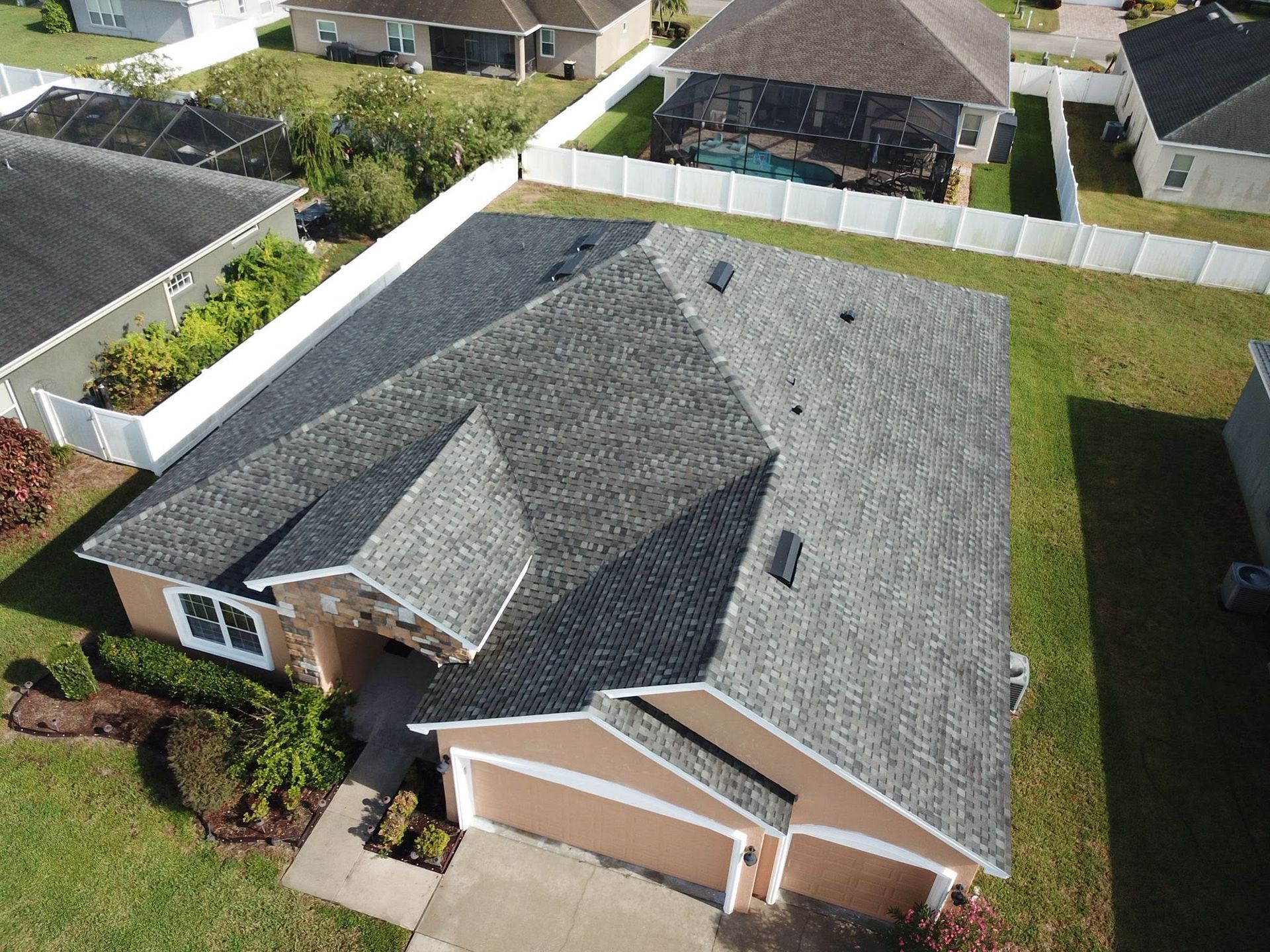
From isolated leaks to full replacement, the right scope starts with the current roof condition and the outcome you need from the property.
Find and correct isolated leaks, damaged roofing, failed flashing, pipe boots, and other localized problems.
Remove worn roofing and install a complete new roof when deterioration, age, or project goals make replacement the stronger option.
Inspect wind, hail, debris, and water-entry damage, document visible conditions, and define temporary or permanent work.
Get a property-specific review before buying, selling, planning work, or responding to a leak or storm.
Plan shingle repair or replacement around material condition, roof details, appearance, ventilation, and budget.
Evaluate metal roofing options around roof geometry, fastening, flashing, expansion, drainage, and the ownership horizon.

A leak does not automatically justify replacement, and an aging roof does not automatically mean another patch is smart. The right direction depends on how concentrated the damage is, the condition of nearby materials, prior repairs, compatibility, remaining service life, and the economics of the work.
The failure is isolated, surrounding materials remain serviceable, and the repair can be integrated without creating new weak points.
Multiple leaks, previous patches, brittle materials, hidden moisture, or uncertain damage can change what is practical.
Broad deterioration, recurring failures, unavailable matching materials, or poor repair economics can make another patch the wrong move.
You should understand the roof condition, recommended scope, material choices, property protection, schedule, cost, and how hidden conditions will be handled.
Review roof age, materials, visible damage, leak history, critical details, accessible attic clues, and property concerns.
Explain the findings, priorities, and whether maintenance, targeted repair, replacement, or further investigation is responsible.
Define roof areas, materials, access, property protection, schedule, price, limitations, and written terms.
Perform the approved roofing work, manage roof details and transitions, and protect the surrounding property during production.
Complete cleanup, review the finished work, and explain documentation, maintenance, and follow-up recommendations.
Straight Forward Construction is based in Auburndale and has served customers since 2018 with plain-English recommendations and property-specific roofing plans.
Roofing work needs honest expectations. The written scope should identify included work, materials, known limitations, property protection, cleanup, and how changes will be approved before the crew starts.
Work with a contractor whose business is rooted in the same community it serves.
Understand what is included, what is excluded, and how hidden conditions or added work will be handled.
Repair may be practical when damage is isolated and nearby roofing remains serviceable. Replacement becomes more reasonable when deterioration is widespread, leaks repeat, materials are brittle or unavailable, or the cost of continued repairs no longer makes sense.
The review should cover visible roofing materials, flashing, valleys, penetrations, drainage, ventilation, transitions, prior repairs, storm damage, and accessible signs of moisture or decking trouble. The recommendation should connect those findings to a clear scope.
Yes. The team can inspect visible wind, hail, debris, and water-entry damage, document observed conditions, and explain whether temporary protection, repair, or replacement is appropriate. Weather, safe access, and scheduling affect response timing.
The appropriate material depends on the existing roof and project. Asphalt shingles and metal roofing each require different detailing, fastening, flashing, ventilation, and drainage decisions. Confirm the exact system and product options during the roof evaluation.
Hidden damage cannot always be confirmed until affected roofing is opened. The repair agreement should explain how additional damage will be documented, priced, and approved before work expands beyond the original scope.
A useful proposal should define the roof areas, materials, removal or repair work, flashings and penetrations, ventilation or drainage work when applicable, property protection, cleanup, schedule, price, payment terms, exclusions, and how added work will be approved.
Schedule a roof evaluation to understand the current condition, compare practical options, and receive a written scope built around the property—not a generic package.