Membrane, Coating or Panel Areas
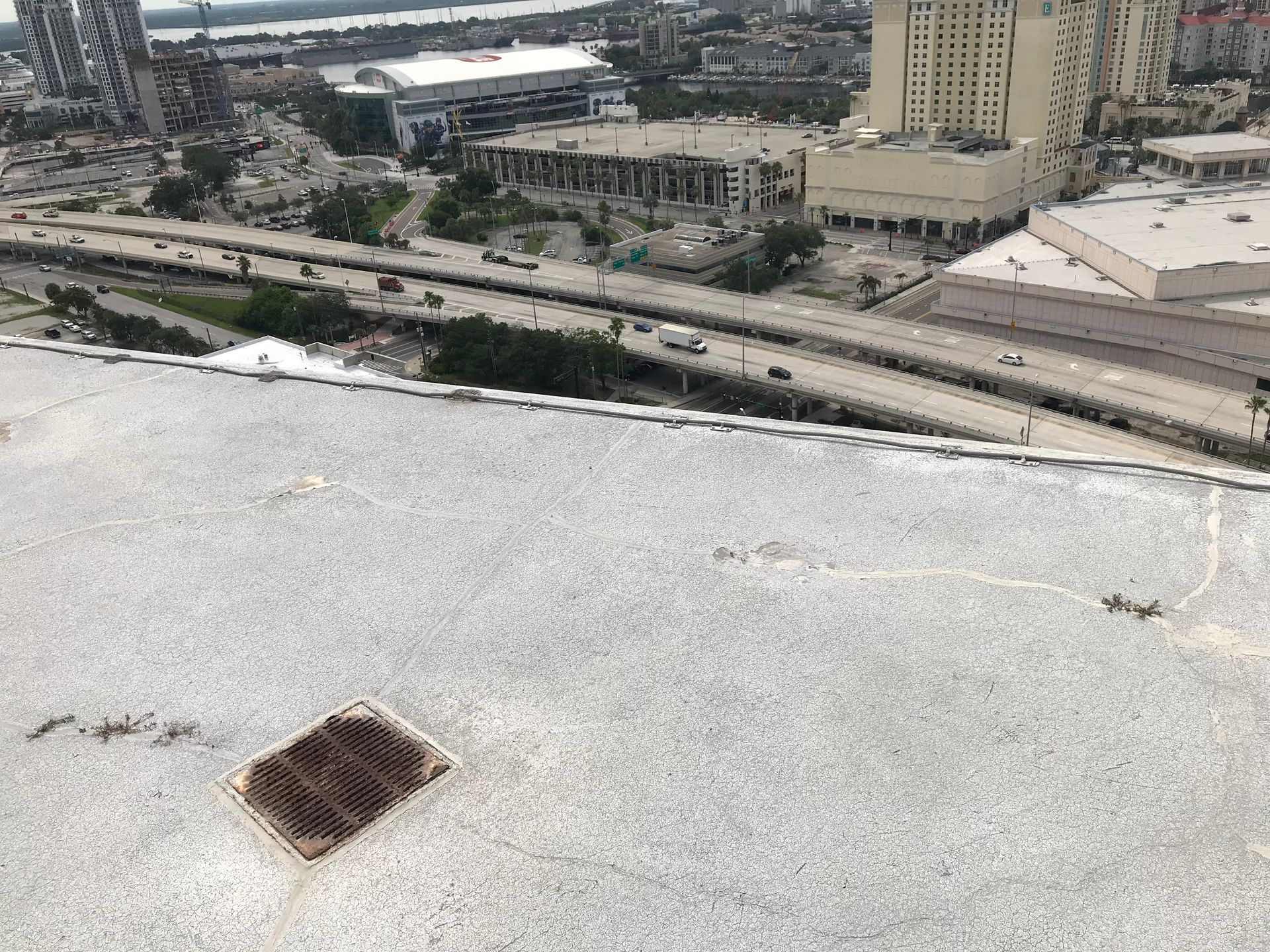
Review accessible surfaces for splits, punctures, open seams, displaced materials, loss of adhesion, coating wear, fastener issues, corrosion, impact, and other system-specific defects.

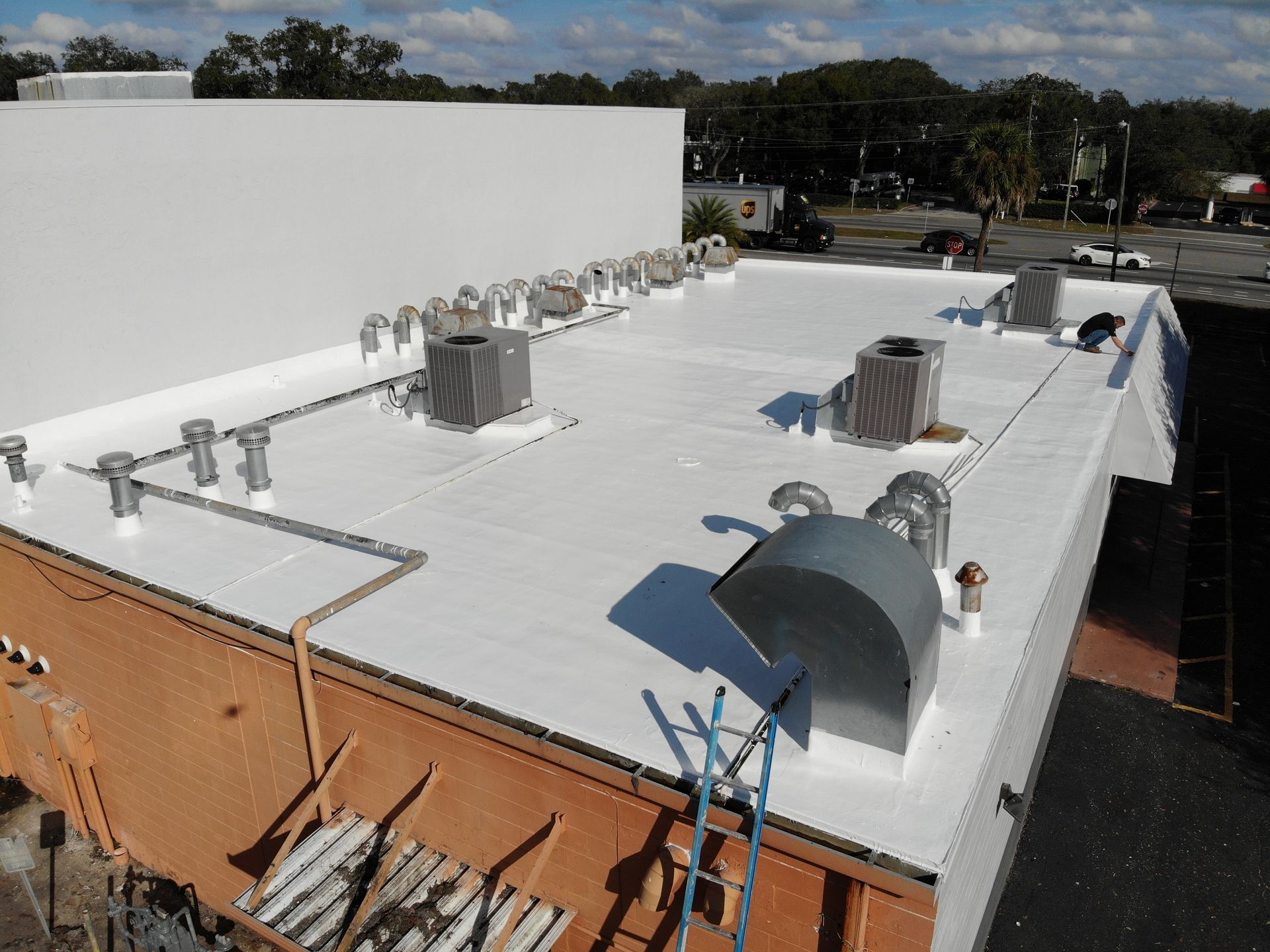
A commercial roof inspection should turn roof conditions into decisions. Straight Forward Construction evaluates accessible system areas, drainage, penetrations, repairs, moisture clues, and operational constraints so owners and property managers can prioritize repair, maintenance, restoration, or replacement.
Commercial roofs often contain multiple systems and generations of work. Field membranes, coatings, metal sections, parapets, drains, scuppers, gutters, walls, curbs, penetrations, skylights, expansion joints, and prior patches may all contribute to performance. The inspection must follow those relationships rather than stop at the first visible defect.
A visual inspection has limits. Concealed moisture, deck damage, hidden transitions, intermittent leaks, and conditions beneath adhered materials may require moisture scanning, test cuts, controlled water testing, selective removal, engineering, or another specialist. Those limitations should be stated instead of hidden.
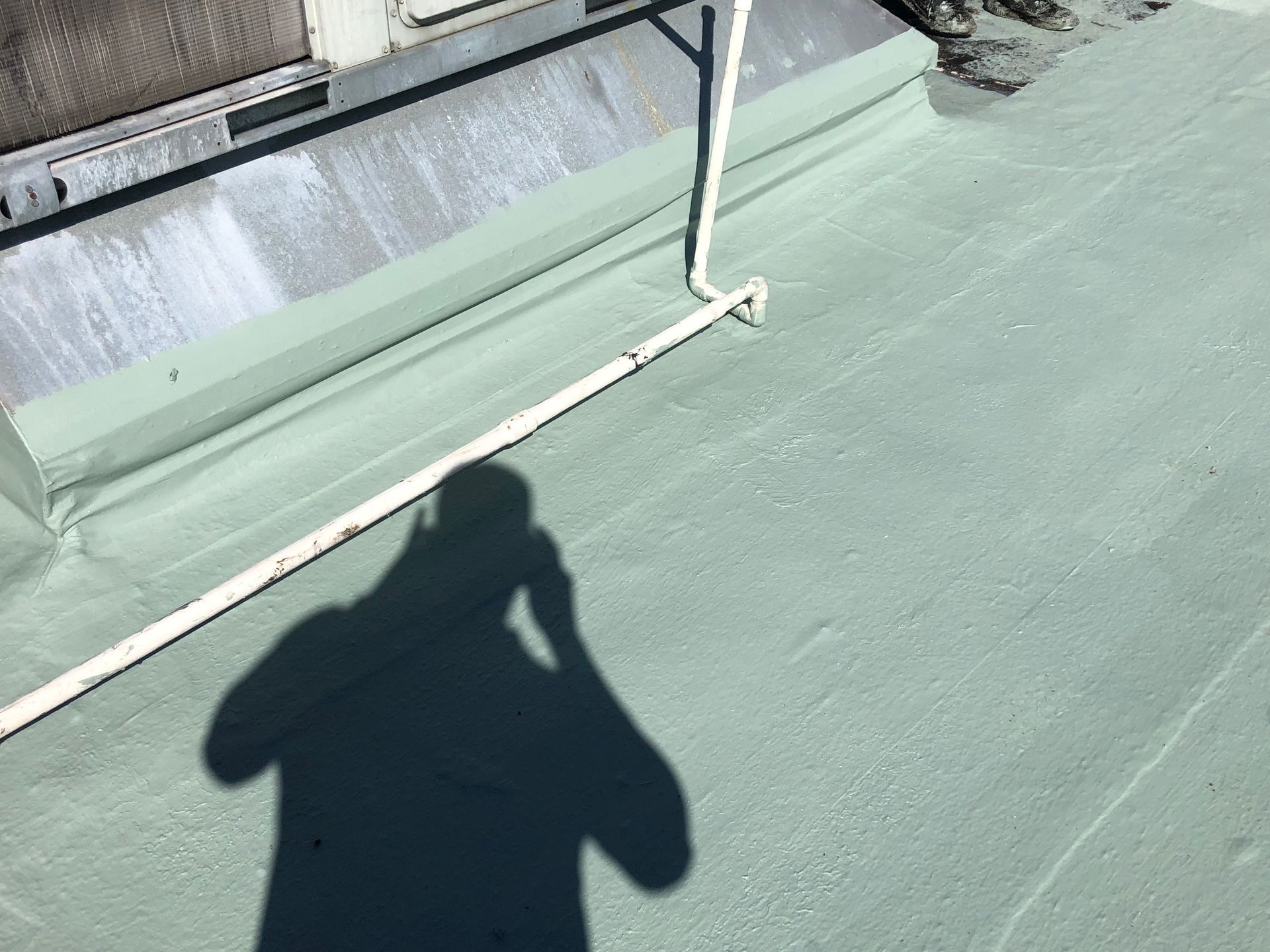
The roof surface is only one part of the inspection. Water entry and premature deterioration often begin at transitions, drainage points, rooftop equipment, or work performed after the original installation.
Review accessible surfaces for splits, punctures, open seams, displaced materials, loss of adhesion, coating wear, fastener issues, corrosion, impact, and other system-specific defects.
Inspect visible base flashings, counterflashings, pitch pockets, pipes, vents, equipment curbs, skylights, terminations, and transitions where movement and workmanship matter.
Review drains, strainers, scuppers, gutters, downspouts, overflow paths, debris, sediment lines, staining, and low areas that suggest slow or restricted drainage.
Assess visible prior patches, incompatible materials, repeated repair zones, abandoned penetrations, and locations connected to known interior symptoms or earlier storm damage.
Identify wear around service paths and equipment, dropped objects, unsecured materials, grease or chemical exposure, and changes made by mechanical, electrical, plumbing, or communications trades.
Organize conditions into emergency action, near-term repair, maintenance, monitoring, further testing, restoration candidacy, and replacement planning.
An inspection requested for one active leak can be narrowly diagnostic. A capital-planning assessment needs a broader view of remaining serviceability, moisture risk, code-related project triggers, insulation, drainage, repair history, and budget horizons. The purpose should be clear before anyone steps onto the roof.
Focuses on specific interior symptoms, likely water paths, local roof details, temporary protection needs, and the repairability of the affected area.
Reviews the broader roof, documents recurring and systemic issues, identifies information gaps, and supports maintenance, restoration, acquisition, or replacement planning.
When the correct commercial roof inspection scope is not obvious, document membrane or surface condition, moisture, drainage, attachment, details, and building constraints before committing to repair, restoration, recover, or replacement.
The exact work changes by system and condition, but every useful commercial scope should move from evidence to priorities, controlled execution, and documented closeout.
Confirm whether the need is leak diagnosis, storm review, maintenance planning, budgeting, acquisition due diligence, or replacement evaluation.
Collect available roof type, age, plans, repair records, leak maps, warranties, photos, and known operational constraints.
Evaluate accessible roof and relevant interior evidence without overstating concealed conditions that were not tested or opened.
Classify defects and recommendations by urgency, consequence, repairability, and need for further investigation.
Organize included photos, limitations, observations, and recommended next steps into a usable decision record.
Straight Forward Construction serves Auburndale and Central Florida with commercial roofing scopes built around actual roof conditions, occupied spaces, rooftop equipment, access, drainage, scheduling, and long-term ownership goals.
The agreed scope may include accessible field areas, seams, flashings, walls, edges, curbs, penetrations, drainage, prior repairs, equipment areas, traffic paths, interior symptoms, photos, and recommendations. Confirm exact deliverables before scheduling.
No. Water may travel beneath materials or through walls, decks, insulation, equipment, or plumbing. Intermittent and concealed conditions may require testing, selective removal, moisture analysis, or monitoring during weather.
A condition review can support due diligence, but the scope, access, records, reporting needs, and limits must match the transaction. It is not a guarantee against concealed defects or future performance.
It is a specialized method used to identify areas that may have different moisture-related characteristics beneath some roof systems. Results require interpretation and may need confirmation through test cuts. It is not automatically included in a visual inspection.
Yes when the property experienced strong winds, impact, debris, unusual water entry, displaced rooftop items, or visible damage. Interior protection and life-safety concerns come first.
Not always. Some findings can be scoped directly; others require testing, measurements, material identification, engineering, or destructive investigation before reliable pricing is possible.
Start with the decision you need to make. Straight Forward Construction will define an inspection scope that documents accessible conditions, limitations, priorities, and practical next steps.