Gutter Condition
Correct loose sections, poor pitch, leaking joints, blocked outlets, inadequate downspouts, or failing fascia before adding a guard that makes those areas harder to access.




Reduce routine debris buildup without pretending gutters can become maintenance-free. Straight Forward Construction evaluates the roof edge, gutter condition, tree exposure, debris type, and water volume before recommending a guard system for an Auburndale property.
A guard can limit the amount of leaves and larger debris entering the gutter, but pollen, roof granules, pine needles, seed pods, insects, and small particles may still collect on or beneath the system. Water also has to reach the gutter during heavy rain instead of overshooting the edge.
The right choice depends on the debris around the building, roof slope, runoff concentration, existing gutter size and pitch, attachment points, roof-edge details, and how safely the system can be inspected and cleaned later.

Gutter protection is a water-management component, not a magic cover. Compatibility and serviceability matter as much as the product style.
Correct loose sections, poor pitch, leaking joints, blocked outlets, inadequate downspouts, or failing fascia before adding a guard that makes those areas harder to access.
Leaves behave differently from pine needles, blossoms, seed pods, roof granules, and fine organic material. The dominant debris should influence the protection approach.
Steep slopes, long runs, inside corners, and valleys can send concentrated water toward a small area. Guards must accept the expected flow without excessive overshoot.
Review shingles, tile, metal edges, drip edge, starter courses, fascia, hangers, and existing warranties before fastening or inserting a protection system.
Plan how the guard surface, valleys, corners, outlets, and gutter interior will be inspected. Difficult access can turn minor buildup into a concealed drainage problem.
Set honest expectations for debris shedding, seasonal cleaning, heavy-rain behavior, and service. No guard prevents every particle from reaching the gutter.
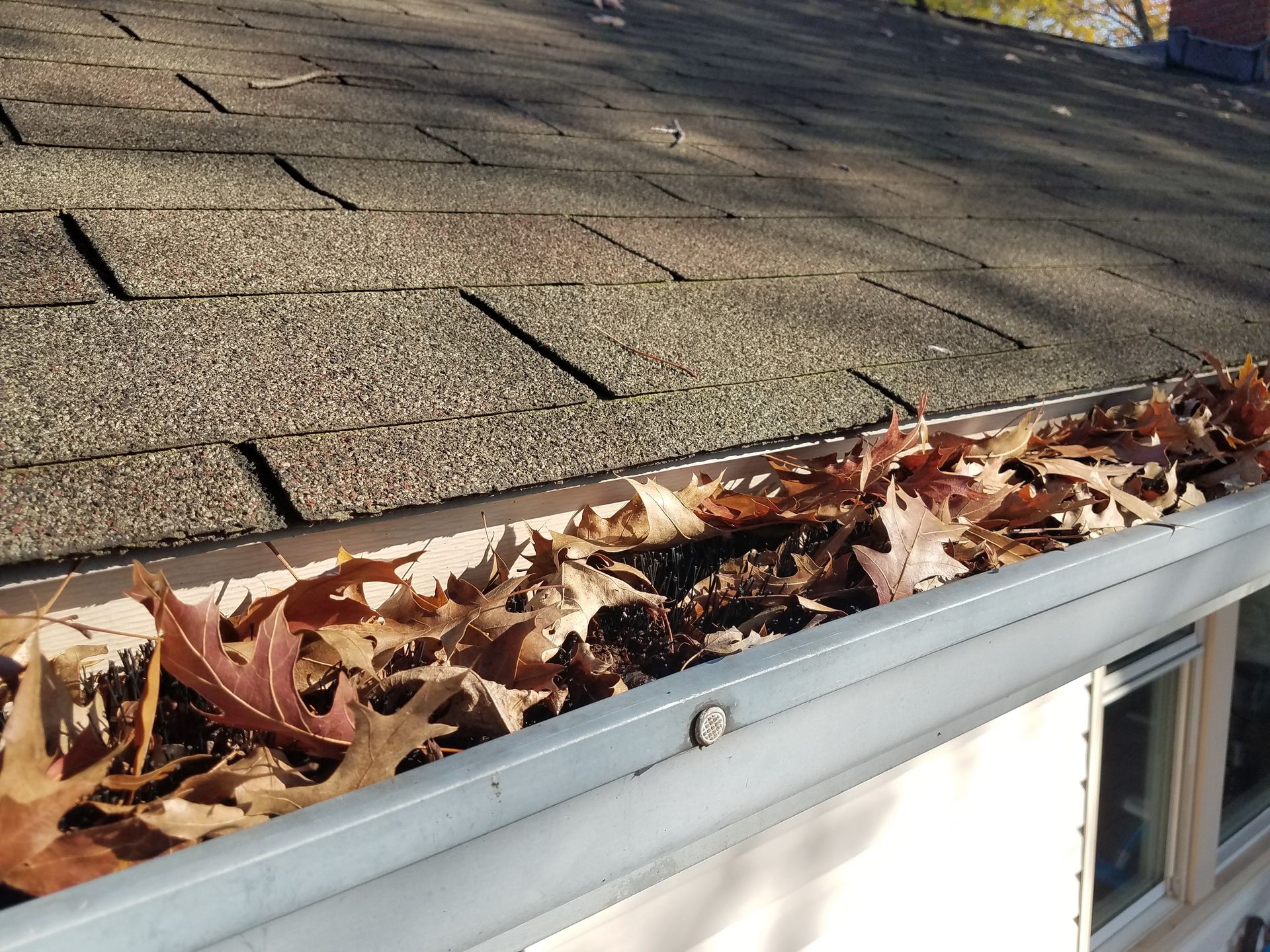
If existing gutters overflow because they are undersized, pitched incorrectly, separated, clogged at the outlets, or short on downspouts, guards will not fix the underlying system. First determine whether the gutters are ready for protection or need cleaning, repair, or replacement.
Reasonable when gutters are securely attached, properly pitched, adequately sized, draining through clear outlets, and compatible with the selected protection method.
Necessary when correctable pitch, fastening, sealing, outlet, or downspout problems would prevent the guard system from working as intended.
Appropriate when widespread damage, failing fascia, inadequate capacity, or a poor drainage layout makes the existing system an unreliable base for protection.
Start by diagnosing the existing drainage system, then select and install protection without sacrificing water flow or future service access.
Review gutters, outlets, downspouts, fascia, roof edges, runoff areas, tree cover, debris, and current overflow patterns.
Clean the system and address included pitch, fastening, sealing, outlet, or condition problems before guards are installed.
Match the guard approach to debris type, water volume, roof material, attachment limitations, appearance, and access.
Fit the protection along the planned runs and address corners, valleys, end conditions, and other concentrated-flow areas.
Explain inspection, surface cleaning, storm checks, and signs that water or debris is not moving as intended.
Straight Forward Construction is based in Auburndale and has served customers since 2018 with plain-English recommendations and property-specific exterior plans.
A useful gutter guard proposal should define the protection type, compatible gutter runs, preparation, attachment method, valley or corner treatments, maintenance access, cleanup, exclusions, and how existing gutter or fascia problems will be handled.
Work with a roofing contractor whose business is rooted in the same Central Florida community it serves.
Know which runs are included, what preparation is required, how concentrated-flow areas will be handled, and what upkeep the installed system will still need.
No. They can reduce debris entry, but material may collect on the guard, at valleys, in corners, around outlets, or beneath the protection. Periodic inspection and cleaning still matter.
Performance varies by design and site conditions. Fine debris can enter small openings or form a mat on top. The dominant debris around the property should be considered before selecting a system.
Yes, especially at steep roofs, valleys, inside corners, clogged surfaces, or high-volume runoff areas. System selection and localized water-control details should account for concentrated flow.
Only after the existing gutters, hangers, pitch, outlets, downspouts, seals, and fascia are evaluated. Guards should not be used to cover a system that already needs repair or replacement.
An incompatible or poorly installed system can interfere with roof-edge materials or drainage. The installation method should respect the roofing system, drip edge, starter area, and applicable product requirements.
Watch the system during rain when it is safe from the ground. Look for overflow, water behind the gutter, overshoot, staining, sagging, or slow discharge, and inspect after major storms or heavy debris seasons.
Have the gutters, roof edge, runoff, and debris exposure evaluated before choosing protection for your Auburndale property.