Roof Repair
Trace the leak, repair damaged roofing, rebuild flashing, correct penetration failures, and restore transitions at porches, additions, walls, or connected structures.

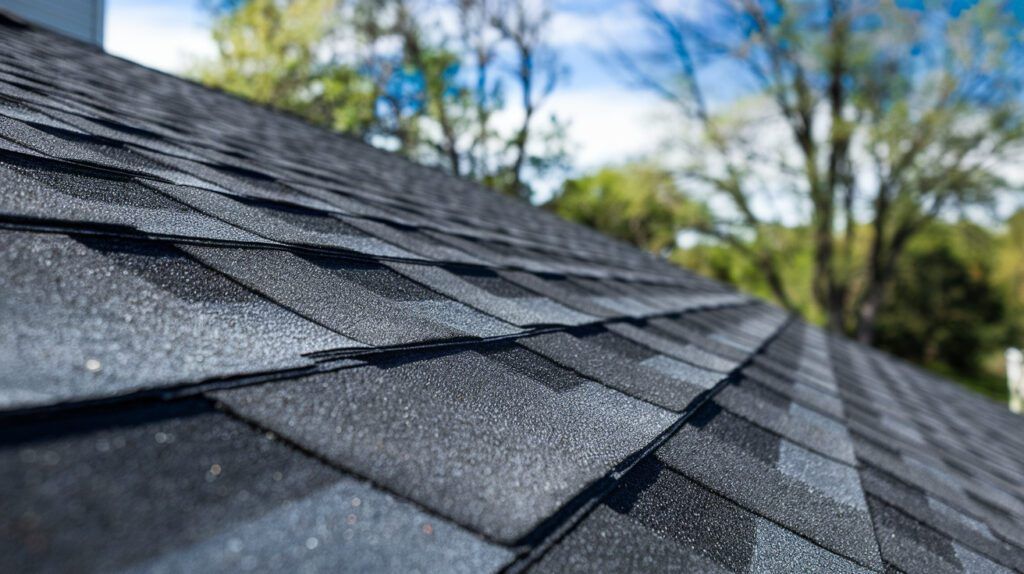
Straight Forward Construction provides residential and commercial roof evaluations, repairs, replacements, maintenance, storm damage service, and gutter work throughout the Plant City area. We inspect the full roof system, confirm whether the property is inside city limits or Hillsborough County, and explain the work in practical terms before a scope is finalized.
An older home near historic downtown, a subdivision roof, an acreage property with multiple structures, and a warehouse or retail building each present different materials, access constraints, drainage patterns, and permitting questions.
Plant City roofs face intense UV, humid conditions, sudden thunderstorms, wind-driven rain, tree debris, and open exposure around agricultural and industrial properties. We inspect materials, flashings, penetrations, ventilation, drainage, decking clues, and connected structures so the recommendation reflects how the property actually works.

Plant City properties range from compact in-town homes to larger lots, agricultural support buildings, retail spaces, and industrial facilities. The roofing plan should account for the material, slope, drainage route, attached structures, occupancy, and the consequences of water reaching the building.
Trace the leak, repair damaged roofing, rebuild flashing, correct penetration failures, and restore transitions at porches, additions, walls, or connected structures.
Coordinate removal, dry-in, deck corrections, underlayment, flashing, ventilation, edge metal, permits, inspections, site protection, cleanup, and documentation.
Record material wear, moisture clues, storm effects, drainage concerns, prior repairs, vulnerable transitions, and the serviceability of each roof section.
Evaluate lifted or missing materials, branch impact, punctures, displaced metal, damaged membranes, flashing movement, and active water-entry risks.
Maintain, repair, coat, inspect, or replace low-slope and metal roofs while planning around equipment, inventory, customers, loading areas, and business access.
Control high-volume runoff around fascia, wall lines, doors, loading areas, walkways, landscaping, and building foundations.
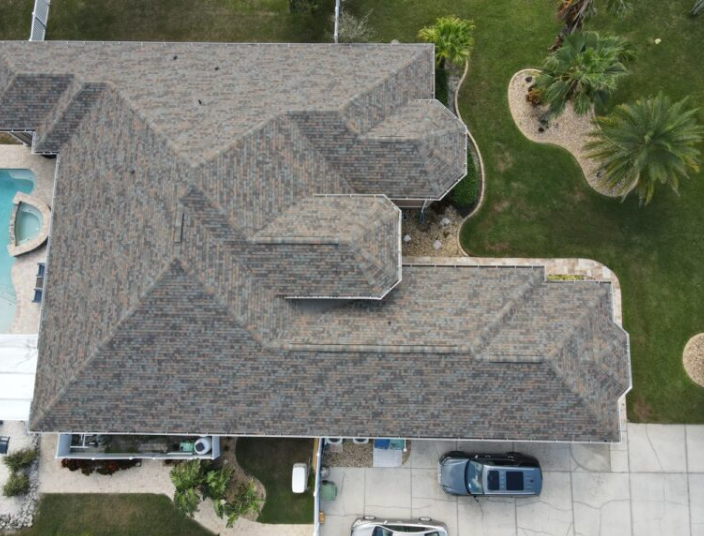
A home, detached shop, porch addition, metal outbuilding, and low-slope commercial section can age differently even on the same property. The recommendation should identify the actual failure, evaluate connected flashings and drainage, consider moisture or deck damage, and account for how the building is used before deciding between targeted repair, phased work, or full replacement.
Addresses a verified failure at shingles, tile, metal panels, membrane, flashing, penetrations, roof edges, or a connection between structures.
Reviews every relevant roof section, drainage route, transition, attic clue, rooftop component, and prior repair before priorities are ranked.
Rebuilds the affected system when broad wear, recurring leaks, moisture damage, or incompatible existing work makes another patch a poor investment.
The project should account for city or county requirements, historic status when relevant, multiple structures, occupied spaces, business operations, gates, vehicles, landscaping, material staging, inspections, and Florida weather.
Confirm the address, city-limit status, property use, occupied areas, roof history, access points, and the proposed work across all affected structures.
Examine roof planes, flashings, penetrations, drainage, ventilation, visible deck concerns, interior moisture evidence, storm damage, and prior repairs.
List repair or replacement areas, materials, deck allowances, permits or preservation review, protection measures, schedule, price, limitations, and exclusions.
Sequence the work around residents, customers, equipment, vehicles, gates, landscaping, inventory, deliveries, debris control, and changing weather.
Complete required inspections, verify roof details, document the completed scope, review maintenance priorities, and clean the work and staging areas.
Properties inside incorporated Plant City use the City’s building-permit process, while Plant City mailing addresses outside city limits generally fall under Hillsborough County. Exterior roof changes to designated historic structures can also require a Certificate of Appropriateness through the City.
The address, parcel, historic status, roof system, proposed scope, inspections, access, drainage, and closeout requirements should be confirmed before ordering materials. That prevents the project from being designed around the wrong jurisdiction or an overlooked exterior-review requirement.
Serving Plant City properties and nearby communities across eastern Hillsborough County within Straight Forward Construction’s supported Tampa Bay service region.
Know which buildings and roof sections are included, how permits or historic review are handled, what materials and details are specified, how changes are approved, and what closes the project.
Check whether the parcel is inside incorporated Plant City. A Plant City mailing address can still be outside city limits, in which case Hillsborough County generally handles the permit process.
Yes. The City states that exterior changes to designated historic structures, including roof repairs or changes, can require a Certificate of Appropriateness in addition to normal building review.
It is usually useful to inspect the house, detached garage, shop, porch, and other affected structures together. They may use different materials and have different ages, but shared storm exposure and drainage problems can reveal broader priorities.
Sometimes. The panel condition, fasteners, seams, penetrations, corrosion, substrate, and connection to adjacent sections determine whether a localized repair can be made reliably.
Widespread material wear, recurring leaks, damaged decking, moisture across multiple areas, failed underlayment, incompatible prior work, and limited ability to tie in new materials can make replacement more practical.
Yes. The supported service scope includes low-slope and metal roof evaluations, repairs, maintenance, coatings, replacement, and single-ply work with planning for equipment, occupants, loading, and business access.
Request an evaluation for a home, commercial building, managed property, acreage structure, storm-damaged roof, mixed roof system, or gutter concern in the Plant City area.