System Identification
Confirm the roof type, approximate age when known, prior coating chemistry if possible, repair materials, contamination, and manufacturer-specific compatibility requirements.

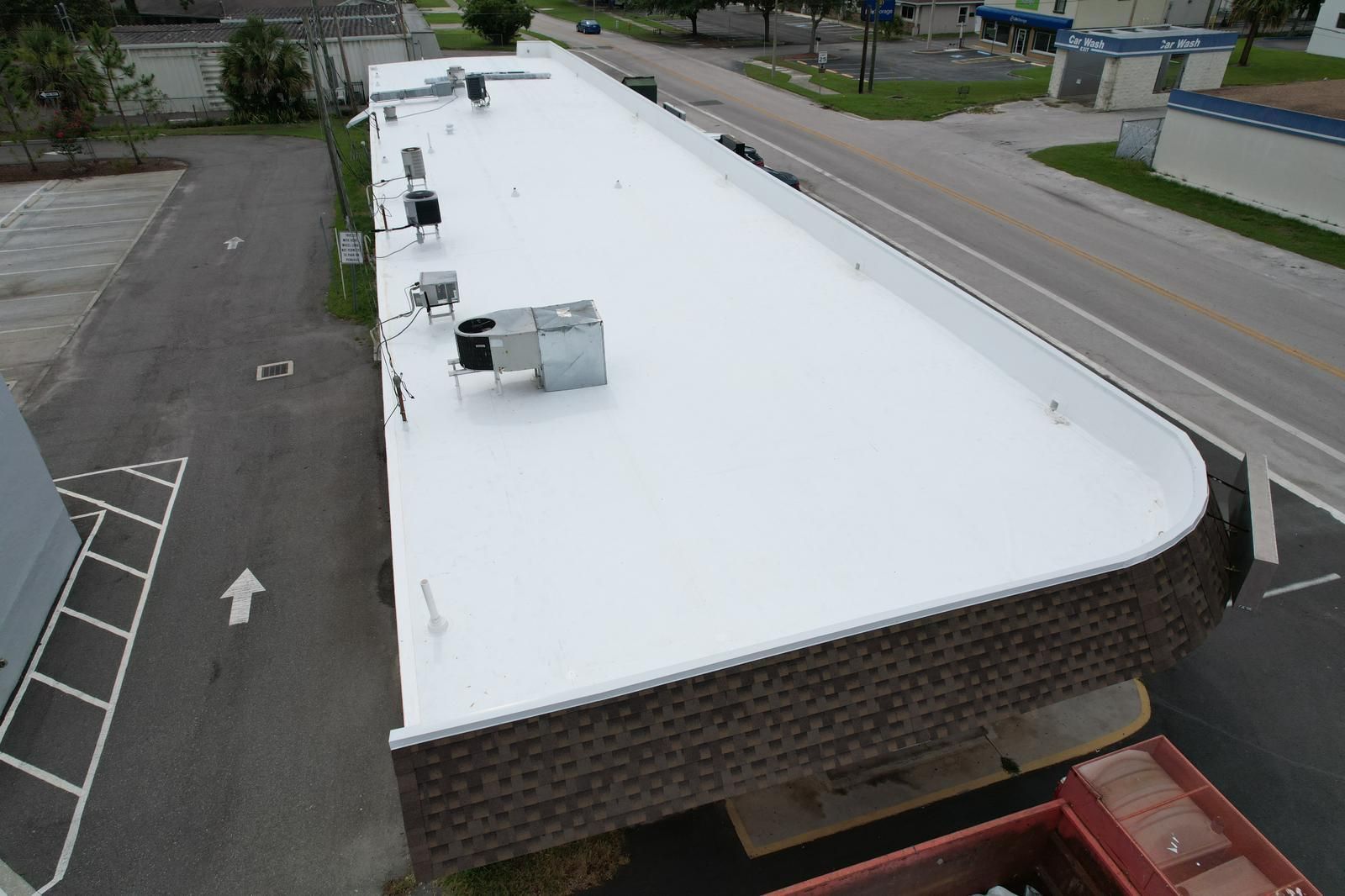
A commercial roof coating can support a viable restoration plan when the existing roof is sufficiently dry, stable, compatible, and repairable. Straight Forward Construction evaluates candidacy before recommending preparation, repairs, reinforcement, primer, and coating—not after material has already been sold.
A coating relies on the roof beneath it. Wet insulation, rotten or corroded substrate, unstable materials, widespread seam failure, chronic ponding, contaminated surfaces, poor adhesion, and incompatible prior products can undermine the project. Those conditions must be investigated and corrected or excluded before application.
The finished scope should address cleaning, preparation, repairs, reinforcement, primer when required, target application rates, detail work, weather conditions, quality checks, and future maintenance. Skipping those steps creates a cosmetic film instead of a controlled restoration system.
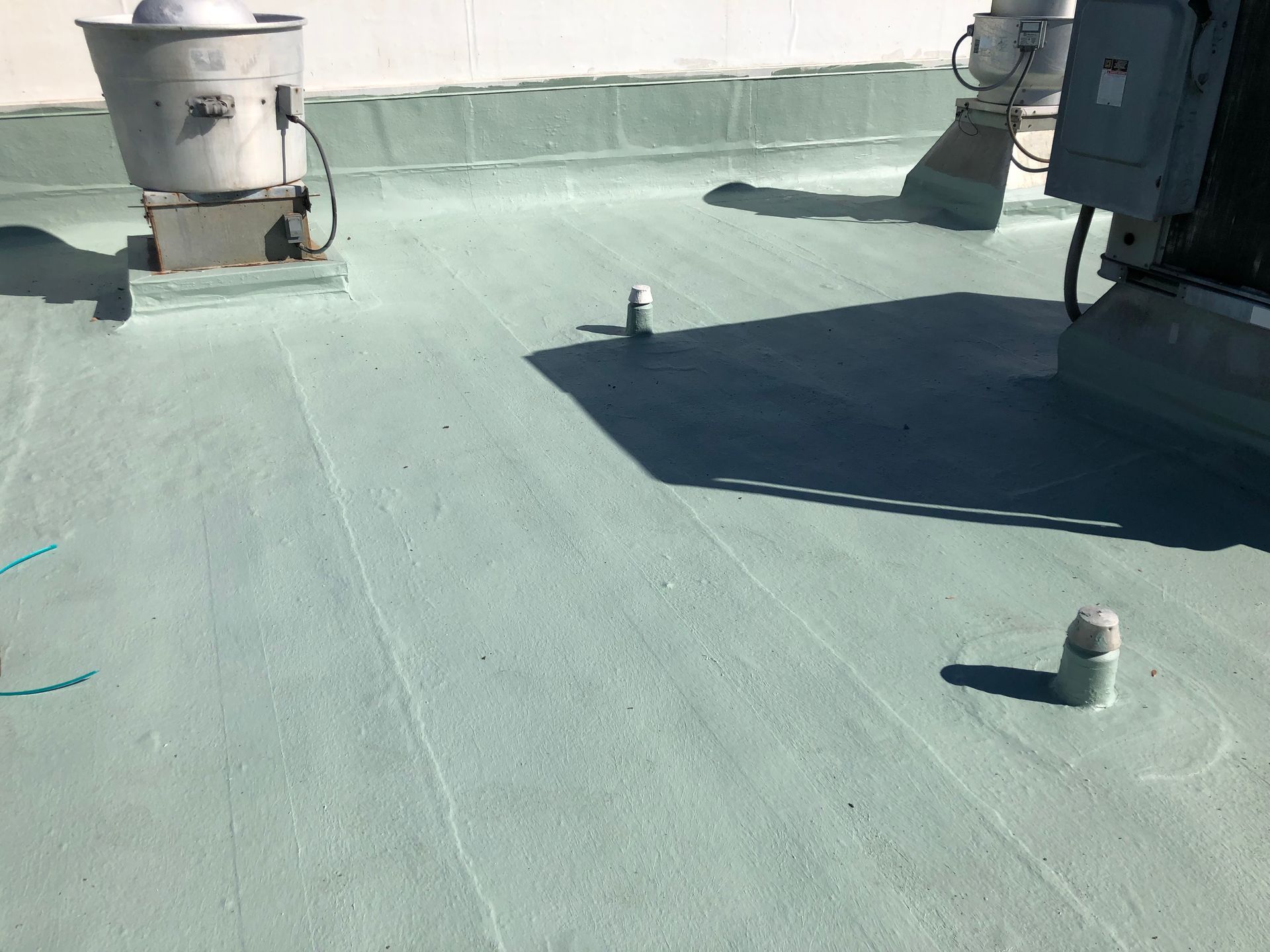
The visible topcoat is the last part of the project. Candidacy, preparation, repairs, reinforcement, and application control determine whether restoration makes sense.
Confirm the roof type, approximate age when known, prior coating chemistry if possible, repair materials, contamination, and manufacturer-specific compatibility requirements.
Investigate moisture clues and remove or address included wet or unsound materials. Coating over trapped moisture can conceal deterioration and create adhesion or blistering problems.
Remove dirt, biological growth, loose coating, oils, grease, oxidation, and other bond breakers using preparation methods appropriate for the existing surface and building.
Complete compatible repairs and reinforce specified seams, fasteners, drains, scuppers, curbs, walls, penetrations, transitions, and prior repair areas before broad application.
Apply specified materials at planned rates and conditions, manage cure windows, account for temperature, humidity, dew, rain, and wind, and verify coverage rather than judging by color alone.
Document the completed scope, control rooftop traffic, inspect after storms and trade work, keep drainage clear, and address localized coating damage before water reaches the substrate.
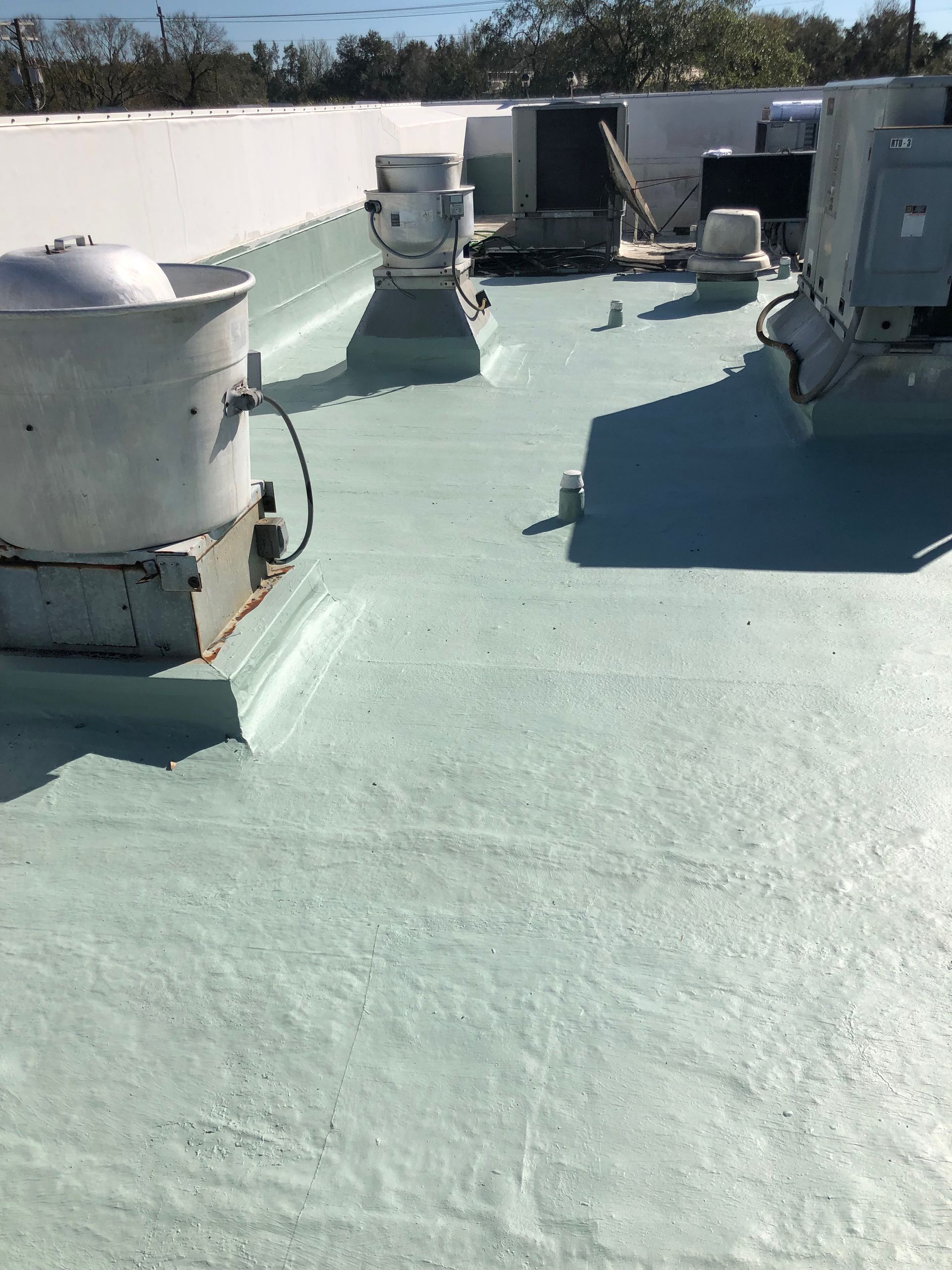
Coating can be a legitimate restoration option, but forcing it onto a saturated, unstable, badly drained, or structurally compromised roof is the wrong move. When deterioration is widespread or the substrate cannot support preparation and repairs, replacement may be the more defensible capital decision.
The roof is sufficiently dry and stable, defects can be corrected, drainage is manageable, adhesion can be achieved, details are accessible, and the restoration supports the ownership horizon.
Moisture is extensive, materials are unstable or incompatible, deck or insulation issues are widespread, drainage needs reconstruction, or repairs required before coating approach replacement-level cost and risk.
When the correct commercial roof coatings scope is not obvious, document membrane or surface condition, moisture, drainage, attachment, details, and building constraints before committing to repair, restoration, recover, or replacement.
The exact work changes by system and condition, but every useful commercial scope should move from evidence to priorities, controlled execution, and documented closeout.
Review roof type, condition, prior coatings, leaks, drainage, moisture clues, equipment, contamination, access, and project goals.
Complete included adhesion or moisture investigation and define repairs, exclusions, preparation, reinforcement, materials, and application rates.
Clean and dry the surface, protect surrounding property, remove unsound materials, and complete specified substrate and detail repairs.
Install primer, reinforcement, base or finish coats as specified while controlling coverage, weather windows, cure, and rooftop access.
Review coverage and details, complete punch work, document included materials and conditions, and explain maintenance requirements.
Straight Forward Construction serves Auburndale and Central Florida with commercial roofing scopes built around actual roof conditions, occupied spaces, rooftop equipment, access, drainage, scheduling, and long-term ownership goals.
A properly scoped restoration may address included defects, but coating alone should not be used to bury active leaks, wet insulation, open seams, unstable flashings, or failed substrate. Repairs and preparation come first.
Some metal, modified bitumen, single-ply, spray foam, and other roof systems may be candidates when materials are compatible and conditions support adhesion. The exact system and manufacturer requirements must be evaluated.
Chronic ponding requires investigation. Some products have specific limitations, and coating does not correct structural slope or undersized drainage. The cause and acceptable treatment must be defined before restoration.
Visual clues alone may not be enough. Moisture scanning, test cuts, core samples, or selective removal may be needed. The chosen method and limits should be documented in the scope.
A reflective surface can reduce roof-surface temperature under certain conditions, but actual building energy performance depends on insulation, HVAC, air leakage, roof area, climate, operations, and utility rates. Savings should not be promised without analysis.
Service life depends on the existing roof, preparation, product system, installed thickness, drainage, weather exposure, traffic, maintenance, and later damage. Use the specific manufacturer and project documentation rather than a generic lifespan claim.
Schedule a commercial roof evaluation to determine whether the existing assembly supports restoration, what preparation is required, and where replacement may be the smarter decision.