Active Roof Leaks
Trace water entry around penetrations, transitions, valleys, damaged materials, and previous repair areas.

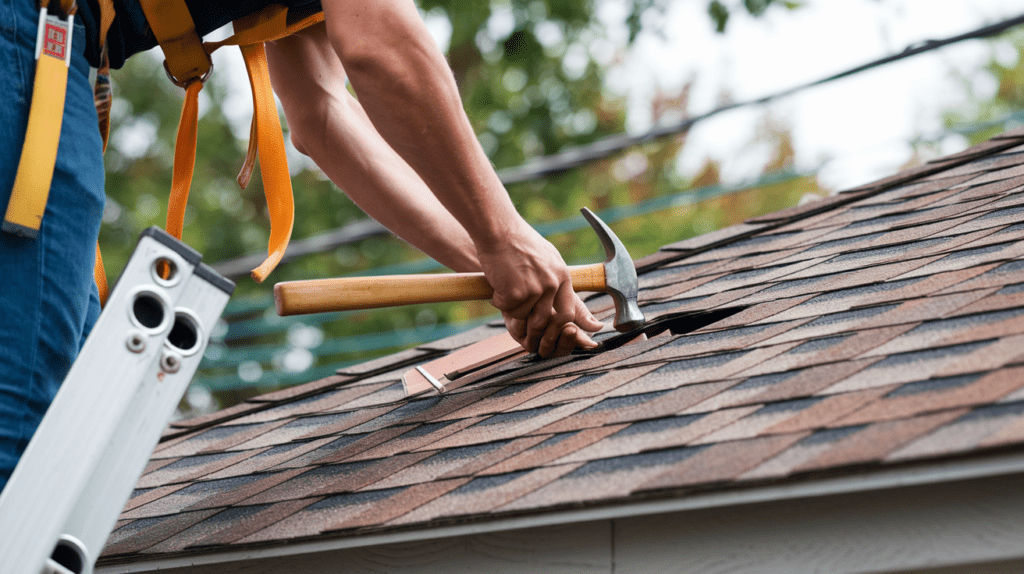
Stop leaks, correct damaged roofing, and protect your home with a repair plan based on the actual source of the problem—not a guess from the ground.
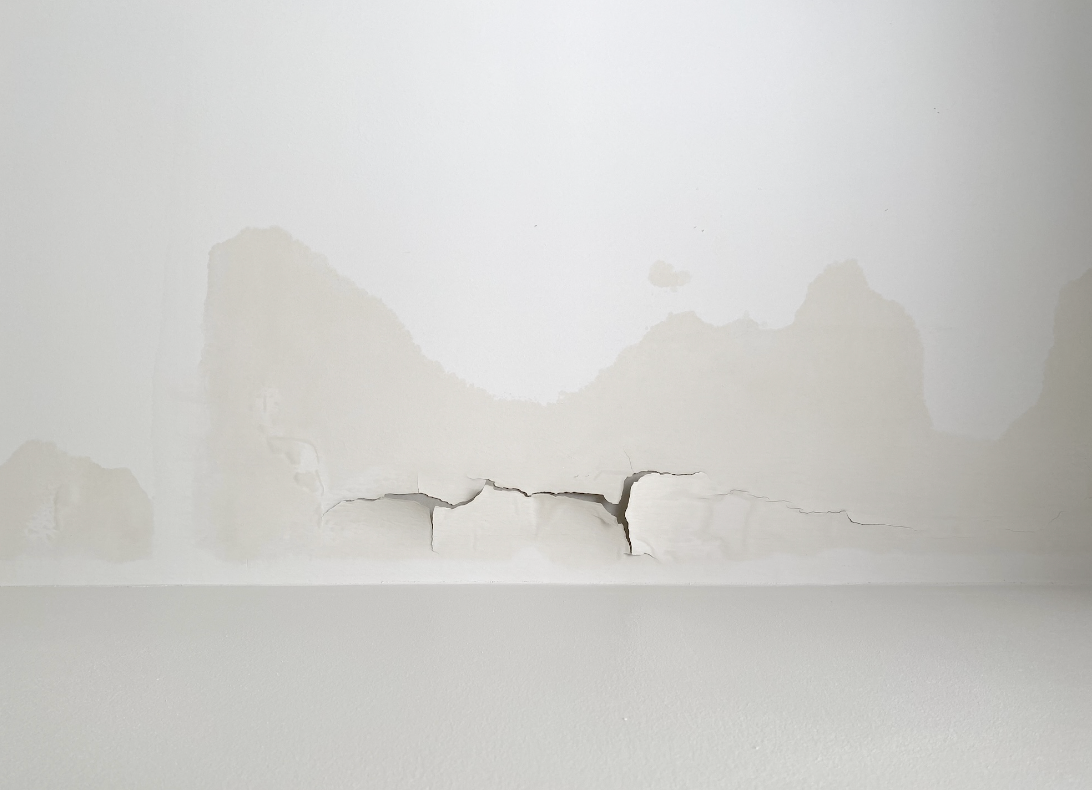
Water can travel along decking, underlayment, rafters, and penetrations before it reaches the ceiling. A useful repair starts by finding where the roof is actually letting water in.
Straight Forward Construction evaluates the damaged area along with nearby shingles or panels, flashing, pipe boots, valleys, roof-to-wall transitions, vents, and drainage paths. The goal is to correct the failure point and explain what the repair can realistically accomplish before work begins.
Florida roofs take punishment from wind-driven rain, heat, UV exposure, falling debris, and repeated expansion and contraction. The right repair depends on the material and the exact failure point.
Trace water entry around penetrations, transitions, valleys, damaged materials, and previous repair areas.
Replace missing, creased, lifted, or damaged shingles when the surrounding roof can still support a reliable repair.
Correct vulnerable details at walls, chimneys, valleys, vents, and other roof penetrations where water often enters.
Repair cracked boots, deteriorated seals, loose components, and failed detailing around roof openings.
Document displaced materials, impact points, exposed areas, and water entry after severe weather moves through Auburndale.
Address accessible damaged decking when it is part of the approved repair scope and required for a sound repair.

A roof leak does not automatically justify a full replacement. Repair is often reasonable when damage is isolated, compatible materials are available, and the surrounding roof still has useful life. Replacement may be the smarter direction when failures are widespread or repairs have become repetitive.
The failure is isolated, surrounding materials remain serviceable, and the repair can be integrated without creating new weak points.
Multiple leaks, previous patches, brittle materials, hidden moisture, or uncertain damage can change what is practical.
Broad deterioration, recurring failures, unavailable matching materials, or poor repair economics can make another patch the wrong move.
You should know what failed, what will be repaired, what the work does and does not cover, and what happens if hidden damage changes the scope.
Review the leak history, visible damage, roof details, attic clues when accessible, and property concerns.
Identify the likely failure point and explain whether a targeted repair is a responsible option.
Define the repair area, materials, access, property protection, cost, limitations, and written terms.
Remove affected materials as needed, correct the approved failure point, and integrate the repair with the surrounding roof.
Complete cleanup, review the finished work, and explain any monitoring or future maintenance recommendations.
Straight Forward Construction is based in Auburndale and has served customers since 2018 with plain-English recommendations and property-specific roofing plans.
Roof repairs need honest expectations. The written scope should identify the repair area, included work, known limitations, and any applicable workmanship terms before the crew starts.
Work with a contractor whose business is rooted in the same community it serves.
Understand what is included, what is excluded, and how hidden conditions or added work will be handled.
Often, yes. A targeted repair may be practical when the failure is isolated and the surrounding roof remains serviceable. The roof’s age, material condition, leak pattern, prior repairs, and availability of compatible materials all affect the answer.
The inspection starts with the reported leak area but should also examine nearby shingles or panels, flashing, valleys, pipe boots, vents, walls, transitions, and drainage paths. Water can travel before appearing indoors, so the ceiling stain alone does not confirm the roof entry point.
Availability, weather, safe roof access, and the extent of damage determine how quickly work can be completed. If a permanent repair cannot be performed immediately, ask what temporary protection is appropriate and when the full repair can be scheduled.
An exact visual match is not always possible. Existing roofing changes color through age, UV exposure, algae, and weathering, and some product lines are discontinued. Material compatibility matters first; expected color or profile differences should be discussed before work begins.
Hidden damage cannot always be confirmed until affected roofing is opened. The repair agreement should explain how additional damage will be documented, priced, and approved before work expands beyond the original scope.
That depends on what failed, the repair method, the condition of nearby roofing, and the remaining life of the overall roof. A sound isolated repair can perform well, but no contractor should pretend a localized repair renews aging materials across the entire roof.
Schedule an inspection to locate the problem, understand whether repair is practical, and receive a written scope built around the actual roof condition.