Materials & Fasteners
Check for lifted, cracked, slipped, loose, punctured, corroded, or missing materials and exposed or backed-out fasteners appropriate to the roof system.


Catch developing roof problems before they become interior damage, emergency repairs, or avoidable deterioration. Start with a documented evaluation and a maintenance plan based on the roof you actually have.
A useful maintenance visit is more than blowing leaves out of a valley. The roof covering, flashings, penetrations, sealants, drainage paths, edges, visible fasteners, prior repairs, and interior warning signs should be evaluated together.
The goal is to correct limited issues while they are manageable, document conditions over time, and separate routine maintenance from defects that require a larger repair or replacement plan.
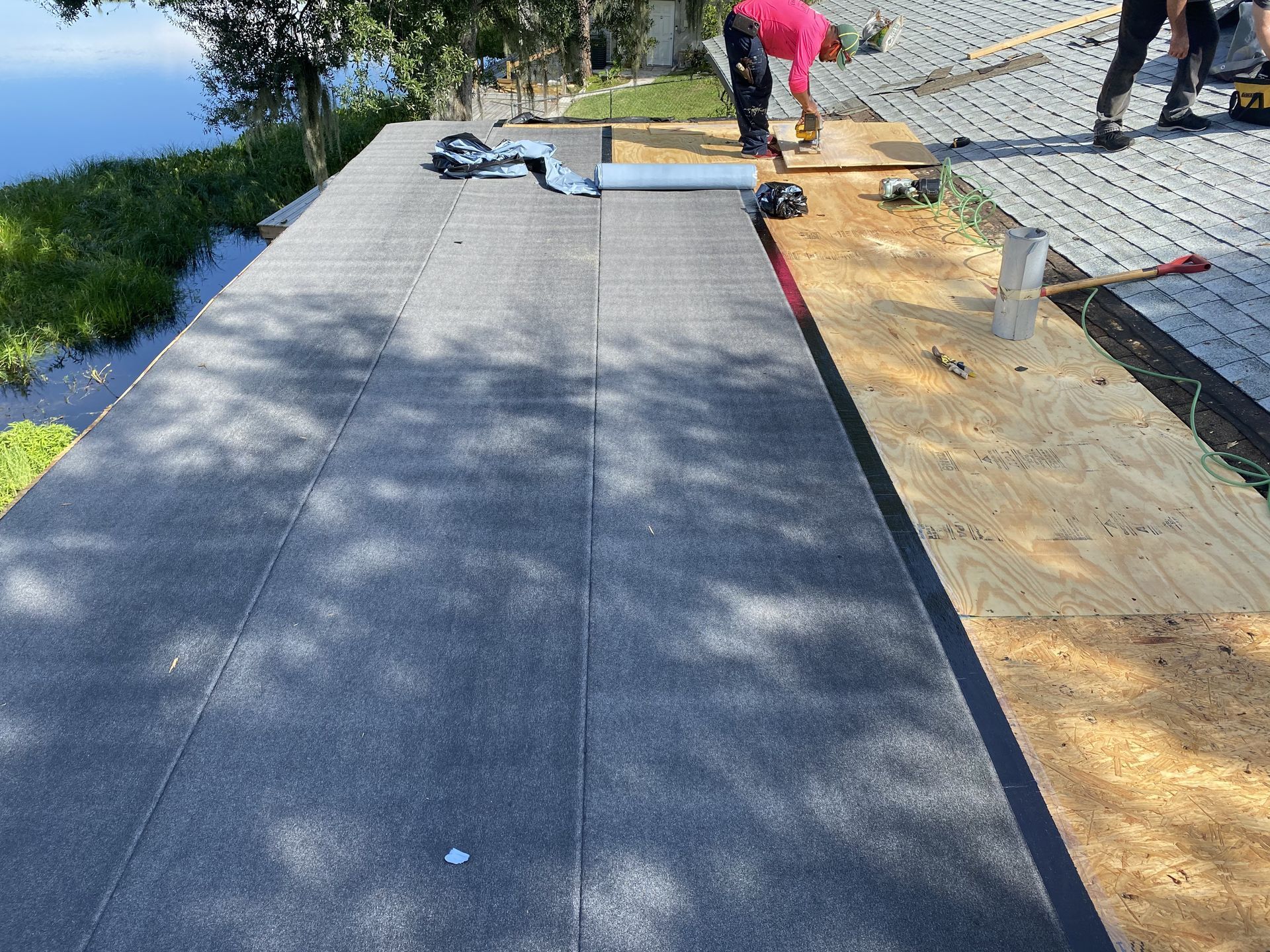
Maintenance should follow the roof's material, age, exposure, design, access, prior repairs, and known trouble areas. These conditions deserve attention during a practical roof-care visit.
Check for lifted, cracked, slipped, loose, punctured, corroded, or missing materials and exposed or backed-out fasteners appropriate to the roof system.
Remove debris where appropriate and check valleys, gutters, downspouts, scuppers, and low areas for blockages that hold water or redirect runoff.
Review walls, valleys, chimneys, curbs, skylights, edges, and roof-to-roof transitions for openings, movement, corrosion, or failed prior work.
Inspect boots, caps, collars, fasteners, sealants, and surrounding roofing. Sealant is a maintenance item, not a substitute for correctly installed flashing.
Address approved limited defects such as isolated loose materials or deteriorated sealant when the surrounding roof remains serviceable.
Document visible findings, completed work, items to monitor, and problems that need a separate repair or replacement scope.
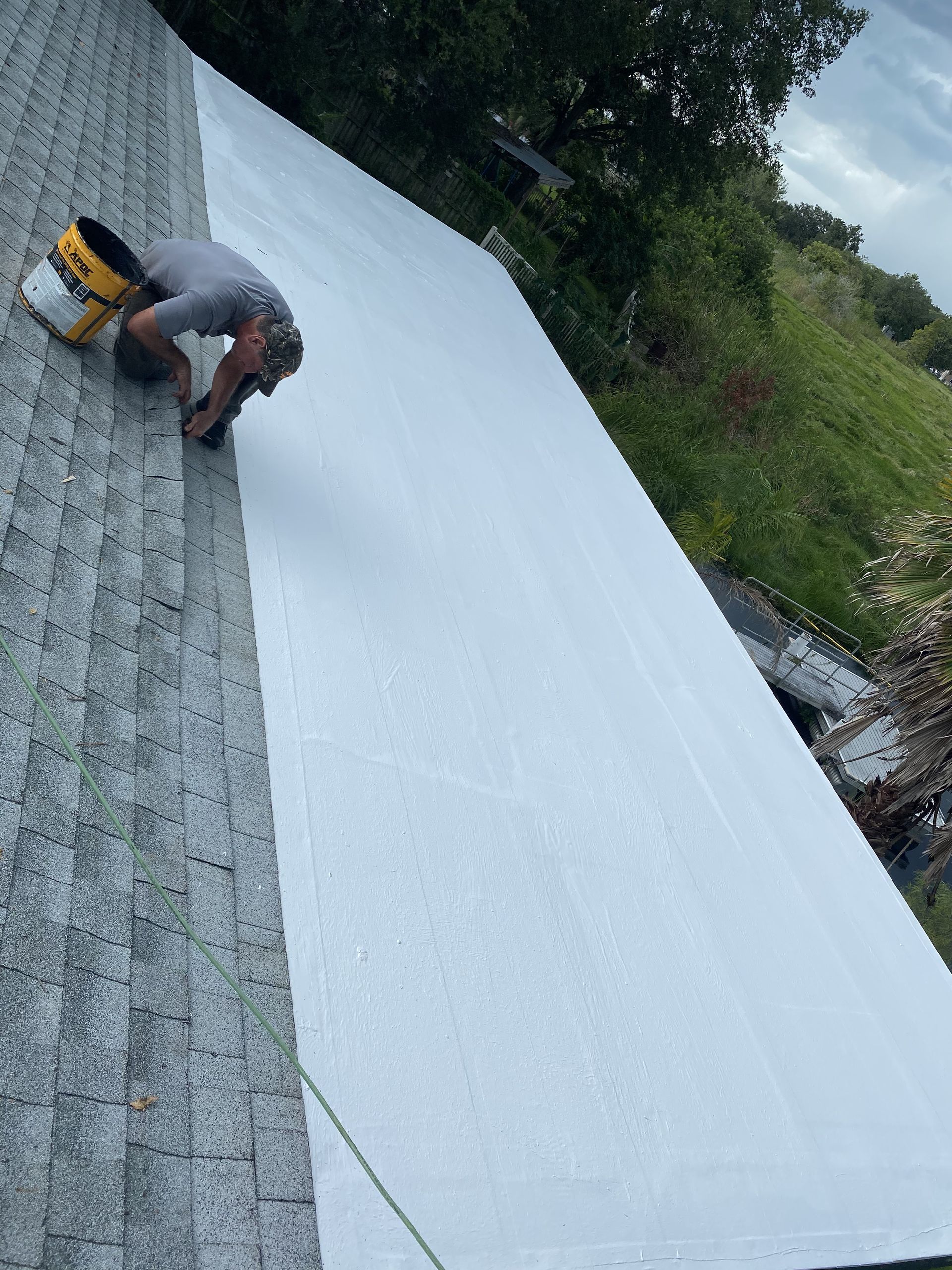
Preventive work makes sense when the roof is fundamentally serviceable. It is the wrong answer when leaks recur, materials fail across broad areas, the deck is damaged, or repeated small repairs only delay necessary work.
The roof is generally serviceable, drainage can be restored, deficiencies are limited, and targeted preventive or corrective work can reasonably reduce near-term risk.
Trace active or suspected problems through the roofing, flashing, penetrations, drainage, deck clues, interior evidence, and uphill water paths before choosing the work.
Active leaks, widespread material failure, extensive storm damage, deteriorated underlayment, soft decking, or repeated trouble in the same areas require a broader scope.
You should know what was inspected, what needs attention now, what can be monitored, and when a separate repair or replacement scope is the smarter decision.
Discuss roof history, known leaks, prior repairs, recent storms, access concerns, and the property's immediate priorities.
Evaluate accessible roof areas, materials, flashings, penetrations, drainage, edges, and visible interior moisture clues.
Separate routine maintenance, limited corrective work, monitoring items, and conditions that need a larger roofing scope.
Complete the approved maintenance scope with attention to the roof material, surrounding components, and property protection.
Review completed work, current conditions, photos when included, and recommended timing for follow-up evaluation.
Straight Forward Construction is based in Auburndale and has served customers since 2018 with plain-English findings and property-specific roof maintenance recommendations.
A maintenance scope should identify the areas inspected, approved cleaning or limited corrective work, exclusions, current concerns, items to monitor, photo documentation when included, and conditions that require a separate repair or replacement proposal.
Work with a contractor whose business is rooted in the same community it serves.
Understand what was reviewed, what was completed, what should be monitored, and what requires a larger scope.
There is no single schedule for every roof. Material, age, tree coverage, drainage, exposure, prior leaks, storms, and manufacturer or warranty requirements all matter. An evaluation can establish a sensible cadence.
The exact scope depends on the roof. It may include inspection, appropriate debris removal, drainage checks, limited sealant or fastener work, minor approved corrections, photographs, and recommendations. The written scope should state what is and is not included.
No. Maintenance can correct certain limited deficiencies and help catch developing problems, but it cannot guarantee that a roof will never leak or repair concealed and widespread failure without a larger scope.
If the property experienced high wind, impact, falling debris, displaced materials, or new interior stains, request a storm-damage evaluation. Do not wait for routine maintenance if active water entry or a safety concern exists.
Pressure washing can damage some roofing materials and may conflict with manufacturer guidance. Cleaning methods must be selected for the specific roof system and condition; aggressive washing should not be treated as universal maintenance.
Move to a larger scope when defects are active or widespread, materials or underlayment are broadly deteriorated, decking is damaged, leaks keep returning, or the cost of repeated small work no longer makes sense.
Schedule an evaluation to identify current maintenance needs, limited repair priorities, and the right next steps for your Auburndale property.