Deck and Tear-Off Decisions
Verify deck type and condition, existing roof layers, moisture, attachment capacity, code triggers, slope, and whether full removal or an approved recover scope is defensible.

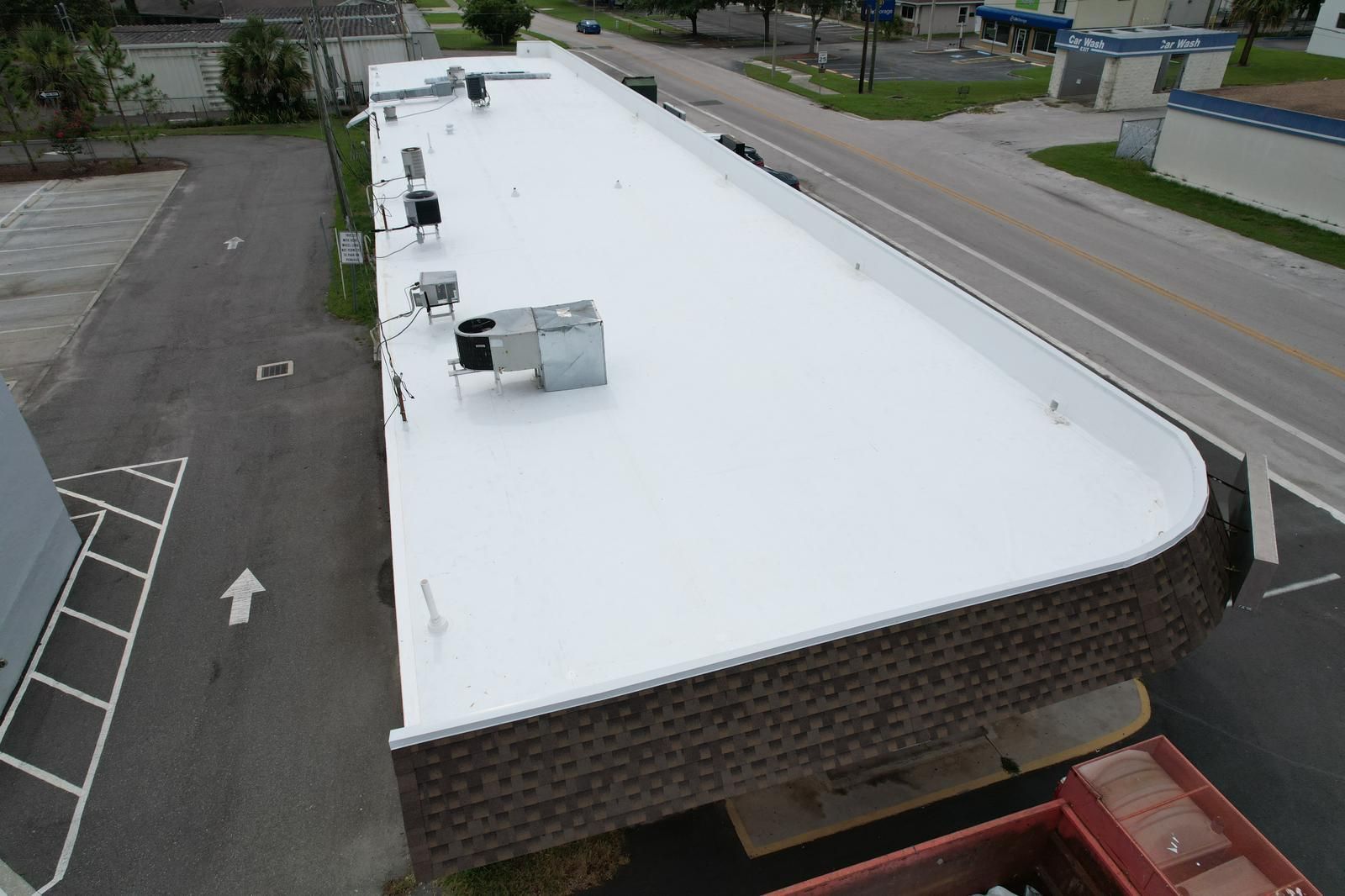
TPO roofing is a heat-welded thermoplastic membrane used across low-slope commercial buildings. The product name does not define the whole roof. Straight Forward Construction plans around deck conditions, insulation, cover board, membrane thickness, attachment, wind zones, drainage, flashings, rooftop traffic, and building operations.
TPO membranes are available in different thicknesses and system configurations. Adhered and mechanically attached assemblies respond differently to deck type, wind design, perimeter zones, substrate, installation logistics, and future repairs. Insulation and cover-board choices also affect energy performance, drainage, durability, and puncture resistance.
Installation details matter at least as much as broad field areas. Seams must be welded under controlled conditions, corners and penetrations need compatible accessories and hand work, perimeter securement must match the design, and rooftop traffic must be directed away from unprotected membrane.
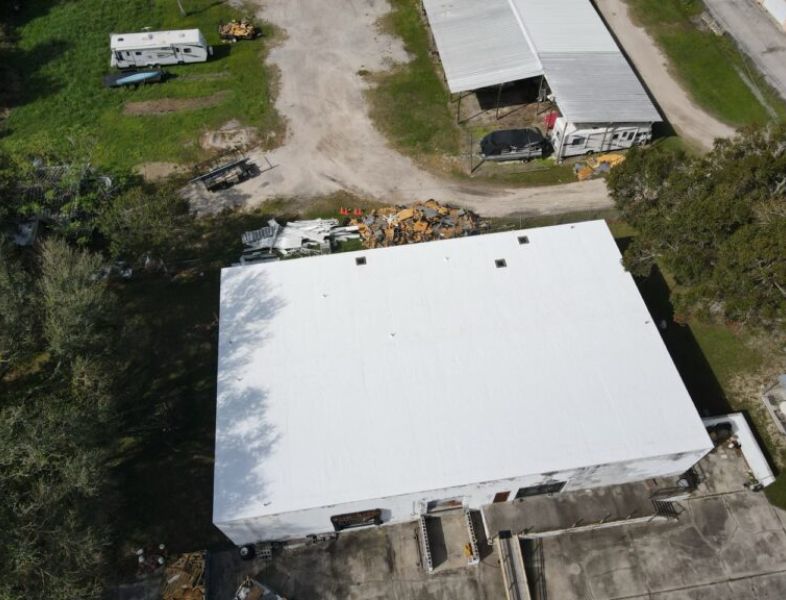
TPO selection should connect material, thickness, attachment, thermal layers, wind design, drainage, and rooftop use into one roof assembly.
Verify deck type and condition, existing roof layers, moisture, attachment capacity, code triggers, slope, and whether full removal or an approved recover scope is defensible.
Choose thermal layers, thickness, taper, fastening or adhesion, and cover-board protection around drainage, compressive strength, energy requirements, equipment, and long-term service.
Select membrane thickness and system components based on design requirements, traffic, expected service, manufacturer options, puncture exposure, budget, and ownership horizon.
Design field, perimeter, and corner securement around deck, building height, location, wind pressures, attachment method, edge system, and manufacturer or engineering requirements.
Control sheet cleanliness, overlap, automatic-welder settings, hand welding, T-joints, corners, drains, curbs, penetrations, terminations, probing, and corrections.
Route service traffic, protect high-use areas, coordinate equipment work, remove loose hardware and debris, and inspect after later penetrations or mechanical projects.
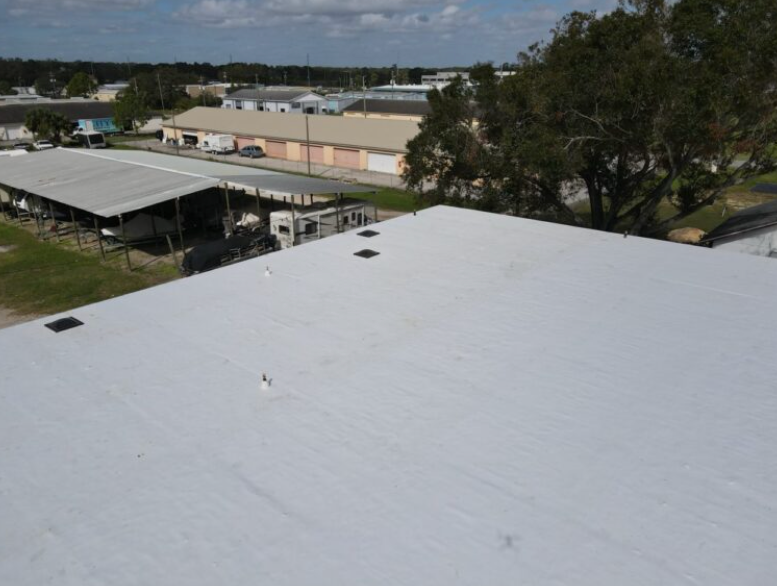
A puncture or open detail may accept a compatible welded repair when surrounding membrane and substrate remain sound. Widespread moisture, severe contamination, membrane deterioration, recurring seam issues, loose attachment, compressed insulation, poor drainage, or extensive incompatible repairs can move the building toward a larger project.
Makes sense when the defect is identifiable, surrounding membrane can be cleaned and welded, underlying materials can be corrected locally, and the assembly remains otherwise serviceable.
Consider when problems extend across the system, wet insulation is widespread, securement is unreliable, drainage needs reconstruction, membrane cannot hold durable welds, or ongoing repair no longer supports the asset plan.
When the correct TPO roofing scope is not obvious, document membrane or surface condition, moisture, drainage, attachment, details, and building constraints before committing to repair, restoration, recover, or replacement.
The exact work changes by system and condition, but every useful commercial scope should move from evidence to priorities, controlled execution, and documented closeout.
Review deck, existing assembly, leaks, moisture clues, drainage, equipment, traffic, access, operations, and expected ownership horizon.
Define removal or approved recover, insulation, taper, cover board, attachment, membrane, wind zones, flashings, edges, and walkways.
Remove or address included unsound materials, establish the specified substrate, coordinate penetrations, and protect occupants and interiors.
Place and secure assembly layers, weld field seams and details, control weather and traffic, and perform ongoing quality checks.
Inspect flashings and edges, probe included seams, correct punch items, clean the roof, and provide included maintenance and project information.
Straight Forward Construction serves Auburndale and Central Florida with commercial roofing scopes built around actual roof conditions, occupied spaces, rooftop equipment, access, drainage, scheduling, and long-term ownership goals.
TPO stands for thermoplastic polyolefin. It is a reinforced single-ply roofing membrane whose sheets and compatible accessories are commonly joined with hot-air welding.
That decision depends on the manufacturer’s system, specification, traffic, puncture exposure, expected service, building use, budget, warranty requirements, and ownership horizon. Thicker does not erase weak details or poor installation.
Neither is universally better. Deck type, wind pressures, substrate, building height, insulation, interior sensitivity, installation logistics, manufacturer requirements, and repair strategy all affect the choice.
Sometimes, if code, existing layer count, moisture, deck capacity, attachment, compatibility, drainage, slope, and substrate conditions support an approved recover assembly. Wet or failed materials should not simply be buried.
Often, if the membrane can be cleaned and still accepts a durable compatible weld. Aging, contamination, surface condition, moisture, and prior repair materials must be evaluated first.
Keep drains and scuppers clear, control rooftop traffic, inspect seams, flashings, edges, penetrations, and walkways, and evaluate the roof after storms, equipment service, or new rooftop work.
Request a TPO roofing evaluation that connects existing conditions, assembly design, drainage, wind securement, welded details, rooftop operations, and lifecycle planning.