Concrete Tile Roofing
Concrete tile comes in multiple profiles and finishes. Weight, attachment, roof structure, color variation, replacement-tile availability, and manufacturer requirements all matter.




Plan a tile roof around the home, roof structure, tile profile, underlayment, flashing details, drainage, weather exposure, maintenance expectations, and budget—not color alone.
Concrete or clay tile sheds most rain, but the underlayment beneath it is the roof's primary water-control layer. The deck, attachment, flashings, valleys, penetrations, edges, ventilation, and drainage must work together.
Straight Forward Construction starts with the existing roof and a written scope that identifies the tile, underlayment, attachment method, flashing work, and treatment of hidden conditions.
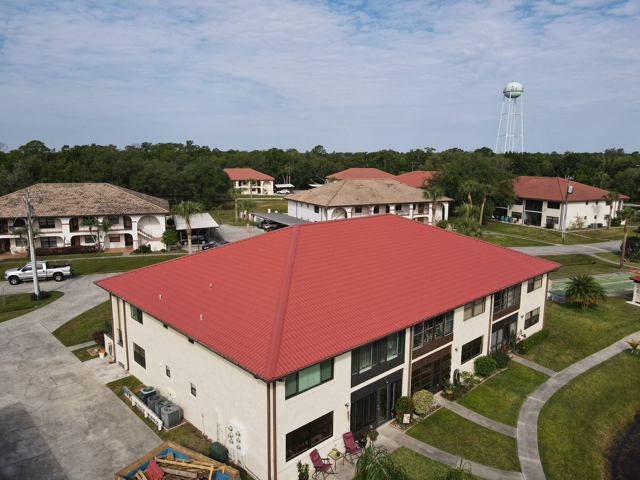
The right tile roof depends on the structure, roof slope, tile material and weight, underlayment, attachment requirements, roof details, desired appearance, and project budget.
Concrete tile comes in multiple profiles and finishes. Weight, attachment, roof structure, color variation, replacement-tile availability, and manufacturer requirements all matter.
Clay tile offers a distinct appearance, but profile, fastening, fragility, flashing integration, sourcing, and compatibility with future repairs must be considered.
Tile is heavier than many roofing materials. Framing, deck condition, prior repairs, water damage, and applicable project requirements must be evaluated.
Tile sheds water, but underlayment and flashings provide critical protection at valleys, walls, edges, penetrations, and transitions where leaks commonly begin.
Fasteners, adhesives, battens when used, starter courses, hips, ridges, rakes, and perimeter zones must follow the selected roof-system requirements.
Broken or displaced tiles, sealants, flashings, debris, drainage, and foot-traffic damage need attention. Access should be handled by people who understand tile roofs.

A few cracked tiles do not automatically mean the entire roof has failed, and replacing a visible tile does not automatically solve a leak. The underlayment, flashing, attachment, surrounding tile, and deck condition must be checked first.
Limited broken or slipped tiles, an isolated flashing defect, a repairable penetration, or localized storm damage may be corrected when the surrounding underlayment remains serviceable.
Check the underlayment, flashing, attachment, surrounding tile, deck, valleys, walls, penetrations, and uphill leak paths before choosing the repair.
Widespread underlayment failure, repeated leaks, extensive deck damage, broad attachment problems, unavailable matching tile, or an aging system can make continued patching poor value.
You should know what is being installed, why it fits the roof, how transitions will be treated, what the project includes, and how hidden conditions will be handled.
Review the roof, deck clues, slope, geometry, drainage, leaks, penetrations, ventilation, and property access.
Explain repair, reroof, tile, underlayment, attachment, and further-investigation options in plain language.
Document tile, underlayment, attachment, flashings, roof areas, deck allowances, protection, schedule, price, and limitations.
Protect the property and complete approved tear-off, deck, underlayment, flashing, attachment, tile, and ventilation work.
Inspect the finished work, clean the site, and review care, maintenance, warranty, and project documentation.
Straight Forward Construction is based in Auburndale and has served customers since 2018 with plain-English recommendations and property-specific tile roofing plans.
A tile roofing proposal should identify the tile, underlayment, attachment method, flashings, valleys, hips, ridges, edges, penetrations, ventilation work, tear-off scope, deck allowances, property protection, cleanup, and how hidden conditions will be approved.
Work with a contractor whose business is rooted in the same community it serves.
Understand what is included, what is excluded, and how hidden conditions or added work will be handled.
Neither is automatically better for every home. Compare structural weight, profile, appearance, product availability, attachment requirements, roof geometry, maintenance expectations, budget, and the complete installed system.
Not always. A cracked tile can expose the underlayment and should be evaluated, but the leak may originate uphill at a valley, wall, penetration, flashing, or failed underlayment.
Often, when damage is limited and a compatible tile can be sourced and installed without harming surrounding materials. The underlying attachment and underlayment should also be checked.
There is no honest universal number. Service life varies with the underlayment, installation, heat exposure, roof design, ventilation, moisture, maintenance, flashing details, and prior damage.
Tile can crack under foot traffic, especially when aged, brittle, unsupported, or stepped on incorrectly. Avoid unnecessary access and use a qualified professional who understands tile roofs.
The proposal should identify the tile, underlayment, attachment method, flashings, valleys, hips, ridges, edges, penetrations, ventilation work, tear-off scope, deck allowances, protection, cleanup, schedule, price, and applicable warranty terms.
Schedule an evaluation to compare tile roof systems, repair and replacement options, and the installation details required for your Auburndale property.