
What Is TPO Roofing? 7-Part Guide for Flat Roof Owners

Damian Martinez (support) • September 30, 2025

Share this article

You’re staring at your flat roof wondering if it’s time for a replacement. The summer heat is brutal, your cooling bills keep climbing, and you’ve heard whispers about something called “TPO roofing.” But what exactly is it, and could it solve your flat roof headaches?

Here’s what many flat roof owners don’t realize: TPO roofing can cut cooling costs by up to 30% while lasting 25-35 years when properly installed . That’s real money back in your pocket and decades of worry-free protection.

We’ve helped many Florida property owners understand their roofing options, and TPO consistently ranks as a top choice for flat roofs. This guide breaks down everything you need to know about TPO, from its basic composition to installation methods, so you can make an informed decision about your flat roof’s future.

What Exactly Is TPO Roofing?

TPO stands for Thermoplastic Polyolefin, and it’s essentially a white, flexible membrane designed specifically for flat and low-slope roofs. Think of it as a protective skin for your building.

The material combines polypropylene and ethylene-propylene rubber into factory-made sheets that typically measure 6-10 feet wide. What makes TPO special is its thermoplastic nature. This means installers can use hot air (heated to 600-800°F) to weld seams together, creating one continuous, watertight barrier.

Why TPO has gained popularity : According to the National Roofing Contractors Association (NRCA), TPO is now used on over 50% of new commercial low-slope roofs. The material captures 60% of new flat roof installations as of 2025, largely due to its energy efficiency and recyclability.

For flat roof owners asking “What makes TPO different from traditional roofing?”, the answer lies in its reflective properties. White TPO reflects solar heat instead of absorbing it, which is why buildings with TPO roofing often see significant drops in air conditioning costs.

The latest 2025 formulations include enhanced UV stabilizers, extending the expected service life from the previous 20 years to 25-35 years under optimal conditions. Plus, up to 80% of TPO scrap can be recycled, making it an environmentally conscious choice.

TPO Installation Methods: Finding Your Perfect Fit

Your installation method determines everything from wind resistance to long-term performance. We typically recommend one of three approaches based on your building’s specific needs:

Mechanically Fastened Assembly

This method secures the TPO membrane using screws and metal plates spaced 6-12 inches apart, then hot air welds all seams. It’s faster to install and works well for stable roof decks in moderate wind areas.

Best for : Quick retrofits and cost-conscious projects Performance data : FM Global testing shows uplift ratings up to 90 psf, with GAF studies confirming 20% faster installation than fully adhered systems.

Fully Adhered Assembly

Here, adhesive bonds the entire membrane to the insulation layer below. Every seam gets welded for complete weather protection.

Best for : High-wind coastal areas and roofs where appearance matters Performance advantage : ASTM testing yields Class 1 wind resistance, with Johns Manville reporting 15-20% better energy retention compared to mechanical fastening.

Ballasted Systems

The membrane lies loose with gravel or pavers providing weight to hold everything in place.

Best for : Retrofit projects and seismic zones Consideration : Adds 10-20 pounds per square foot of weight

Hot air welded seams are crucial regardless of method. These welds achieve bond strengths exceeding 20 pounds per linear inch according to ASTM standards. When properly executed, roofing service professionals create seams stronger than the membrane itself.

TPO Thickness and Performance Specs

TPO membranes come in different thicknesses measured in “mils” (thousandths of an inch):

  • 45 mil : Light residential use
  • 60 mil : Standard commercial applications
  • 80 mil : Heavy traffic and harsh conditions

Fleece-backed options add 50% more impact resistance against hail and foot traffic. If your building sees regular maintenance activity, this upgrade pays for itself quickly.

The Solar Reflectance Index (SRI) tells you how well TPO reflects heat:

  • White TPO: 82-104 initially, aging to 64-90 after three years
  • These numbers qualify for ENERGY STAR certification in many states

When paired with polyiso insulation, TPO systems easily meet modern energy codes. Four inches of polyiso provides R-25 insulation value, which satisfies IECC 2025 requirements for low-slope roofs.

Long-Term Durability: What to Expect

Maintenance requirements for TPO are refreshingly simple. Annual inspections focus on:

  • Checking parapet wall flashing for cracks
  • Ensuring proper drainage to prevent ponding water
  • Gentle cleaning with low-pressure washing (under 500 psi)

Common issues we see stem from poor installation rather than material failure. Seam shrinkage from inadequate welding used to be problematic, but 2025 formulations with antioxidants have largely solved this issue.

Climate performance varies by region. TPO excels in hot, sunny areas where its reflective properties shine. Department of Energy models show 15-30% cooling savings in southern climates. However, northern properties with frequent freeze-thaw cycles may benefit from fleece-backed versions for added flexibility.

A 2025 analysis by Flat Roofing Insights found that 40% of TPO failures trace back to improper insulation layering. This highlights why professional installation matters so much for long-term performance.

TPO vs. EPDM vs. PVC: The Real Differences

Flat roof owners often ask us to compare these three materials. Here’s what we tell them:

Material Best For Key Advantage Main Drawback Expected Life
TPO Hot climates, energy savings High reflectivity (SRI 78-110) Newer track record 25-35 years
EPDM Cold regions, proven performance 50+ year track record Absorbs heat (low SRI) 40-50+ years
PVC Chemical exposure, fire risk Superior fire resistance Higher cost 35-50 years

TPO wins on energy efficiency . Its white surface reflects heat that EPDM’s black surface absorbs. For commercial buildings in Florida or Texas, this translates to real utility savings.

EPDM wins on longevity . With a 50+ year proven track record and excellent flexibility in cold weather, it’s ideal for northern climates where energy costs matter less than durability.

PVC offers specialty benefits like superior chemical resistance and fire ratings, but costs significantly more upfront.

The choice often comes down to your priorities: immediate energy savings (TPO), maximum longevity (EPDM), or specialized performance (PVC).

Climate Considerations for TPO Success

TPO performs differently across climate zones. Here’s what we’ve learned from installations across the country:

Hot, sunny climates (Southeast, Southwest USA): TPO is ideal. The reflective surface dramatically reduces cooling loads. We’ve seen commercial properties cut HVAC costs by 25% or more after TPO installation.

Freeze-thaw regions (Northern USA): TPO still works but requires careful attention to thermal movement. Fleece-backed membranes help prevent cracking during temperature swings.

High-wind areas (Coastal regions): Fully adhered installation methods provide better wind uplift resistance than mechanical fastening.

Areas with ponding water : Proper drainage design becomes critical. TPO handles standing water well, but long-term ponding can stress any roofing system.

Climate isn’t just about temperature. Humidity, UV intensity, and weather patterns all affect TPO performance. A professional assessment considers all these factors when recommending specifications.

Ready to Explore TPO for Your Flat Roof?

TPO roofing offers flat roof owners a compelling combination of energy efficiency, durability, and cost-effectiveness. With proper installation, you’re looking at 25-35 years of reliable protection plus significant cooling cost savings.

The key to TPO success lies in professional installation and specification. Membrane thickness, installation method, insulation details, and flashing design all impact long-term performance.

At Straight Forward Construction, we’ve seen firsthand how the right TPO system transforms both energy bills and peace of mind for property owners. Every building is different, which is why we always start with a thorough assessment of your specific needs, climate conditions, and budget.

Your next step : Contact our licensed team for a no-obligation evaluation of your flat roof. We’ll help you determine if TPO is the right choice and provide detailed specifications tailored to your building’s unique requirements.

Frequently Asked Questions About TPO Roofing

How long does TPO roofing last on flat roofs? Modern TPO formulations typically last 25-35 years when properly installed and maintained. Enhanced UV stabilizers in 2025 products extend life beyond the 20-year expectancy of older TPO systems.

Does TPO work in cold climates? Yes, but fleece-backed options perform better in freeze-thaw regions. TPO remains flexible in cold weather, though EPDM may be preferred for extreme northern climates with harsh winters.

Can TPO handle ponding water on flat roofs? TPO resists ponding water better than many alternatives, but proper drainage design remains essential. Long-term standing water can stress any roofing system and should be addressed with tapered insulation.

What’s the difference between 45 mil and 80 mil TPO? Thickness affects durability and puncture resistance. 45 mil works for residential applications with light foot traffic, while 80 mil handles commercial use and heavy maintenance activity.

Is TPO installation a DIY project? No. Hot air welding requires specialized equipment and training. Improper seam welding is the leading cause of TPO failures. Professional installation is essential for warranty coverage and long-term performance.

How does TPO compare to traditional built-up roofing? TPO offers superior energy efficiency through reflectivity and easier maintenance. Built-up systems may last longer but absorb more heat and require more frequent repairs. TPO’s single membrane design also reduces leak points.

What maintenance does TPO roofing need? Annual inspections, gentle pressure washing (under 500 psi), and prompt repair of any punctures or damaged flashing. TPO requires less maintenance than most flat roofing alternatives.

Can existing flat roofs be covered with TPO? Often yes, depending on the existing system’s condition and structural capacity. A professional assessment determines if a complete tear-off or overlay installation works best for your situation.

Recent Posts

By Damian Martinez (support) August 19, 2025
A metal roof is a long-lasting option that can stand the test of time. Many homeowners choose metal roofing for its durability and low maintenance. If you need help installing or maintaining your roof, a trusted roofing contractor can guide you through the process. This roof type can last 40 to 70 years, depending on […] The post The Lifespan of a Metal Roof: What You Need to Know appeared first on Straight Forward Construction.
By Damian Martinez (support) July 16, 2025
You’re staring at water stains on your ceiling, wondering if it’s time to replace your roof. Or maybe you’re buying a new home and want to know what you’re getting into. Either way, you’re asking the right question: how long does a roof actually last? The answer isn’t as simple as you might think. Roof […] The post How Long Does a Roof Last? 7 Key Factors That Determine Roof Lifespan appeared first on Straight Forward Construction.
By Straight Forward Construction March 4, 2025
Metal roofing is getting more popular. It’s durable, saves energy, and looks good. People are thinking about getting one in 2025. It costs about $18,600 for a 1,700-square-foot roof. But, it might be worth it for your home. There are many metal roofing materials. Galvalume steel costs $4 to $9 per square foot. Copper can […] The post Metal Roofing Guide: Is It Worth the Investment In 2025? appeared first on Straight Forward Construction.
By Straight Forward Construction February 25, 2025
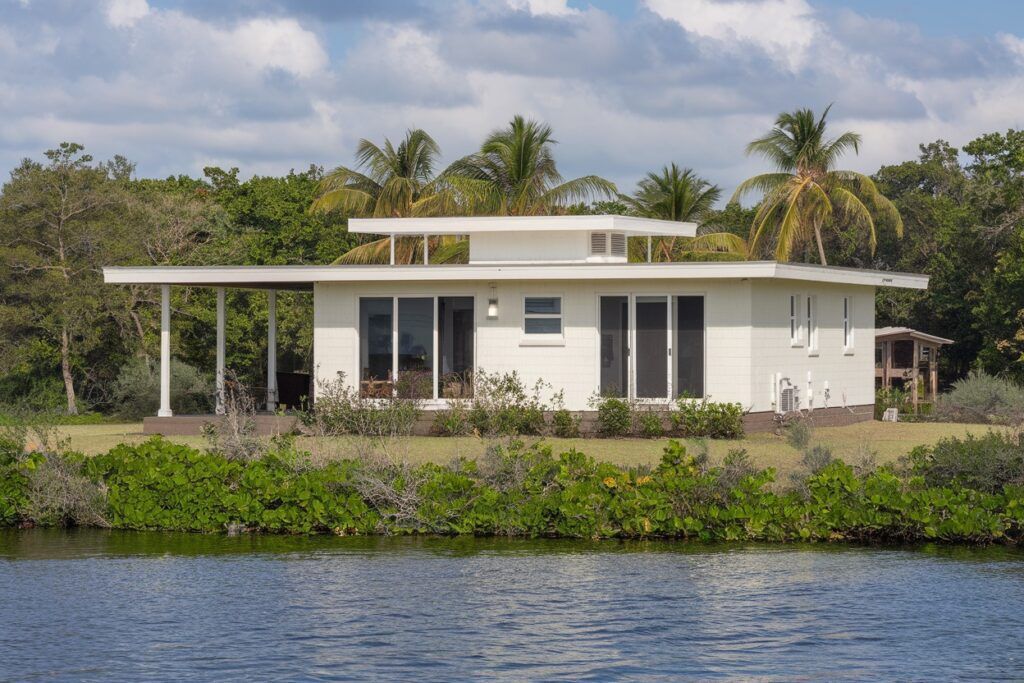
Choosing the right roofing material for a flat roof is important. There are many options to pick from. Flat roofs have a slight slope to help water run off. Common materials include EPDM, TPO, PVC, and more. Each has its own cost, durability, and lifespan. EPDM rubber roofs cost about $2.50 per square foot. They […] The post What Roofing Material Is Best for A Flat Roof? appeared first on Straight Forward Construction.
By Straight Forward Construction February 18, 2025
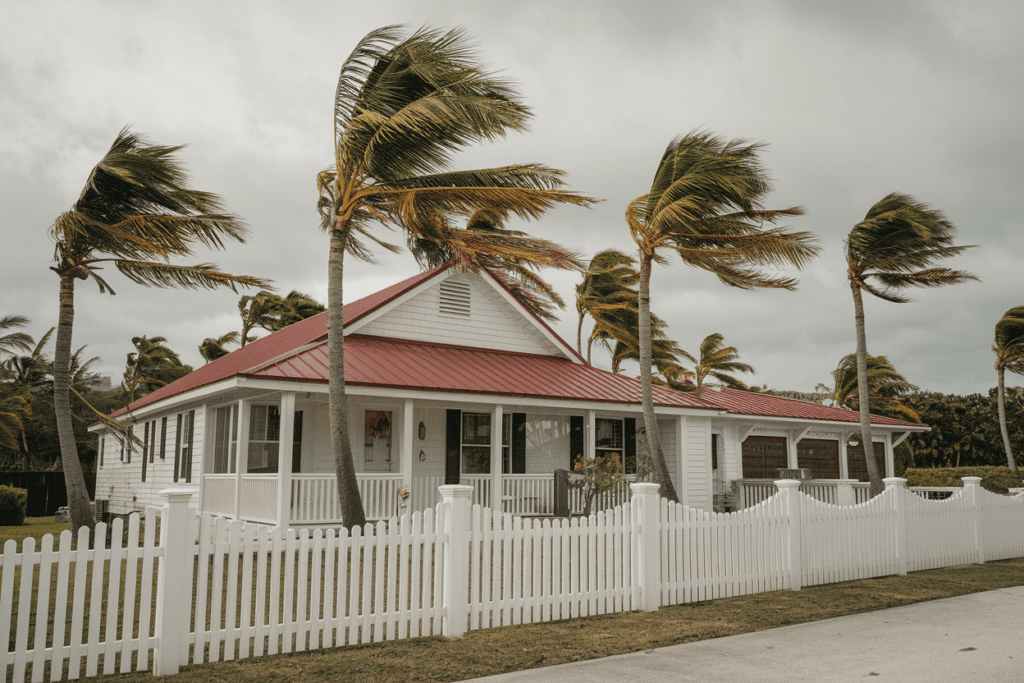
Living in a hurricane-prone area means you need a hurricane-proof roof to protect your home and family. The right roofing materials and design can greatly help your home withstand high winds, debris, and heavy rain. Asphalt shingles, concrete tiles, and clay tiles are common in hurricane areas. But metal roofing is the top choice for […] The post Which Roofing Design Is the Most Hurricane-Resistant? appeared first on Straight Forward Construction.
By Straight Forward Construction February 11, 2025
Choosing the right roofing material is key to protecting your home. Longevity is important because a durable roofing option saves money and hassle. But, picking the best roof material longevity can be tough with so many choices. The roof’s lifespan depends on material quality, installation, and maintenance. Weather-resistant roofing is vital in harsh climates. While […] The post Which Roofing Material Lasts the Longest? appeared first on Straight Forward Construction.
By Straight Forward Construction February 4, 2025
As a homeowner or property manager, knowing about roof installation is key. It ensures your project is successful and affordable. In this guide, we’ll cover the basics of roof installation in 2025, including costs, materials, and the installation process. Asphalt shingles cost between $100 to $400 per square (100 square feet). Labor can be up […] The post The Ultimate Roof Installation Guide for 2025: Costs, Tips & Timeline appeared first on Straight Forward Construction.
By Straight Forward Construction January 29, 2025
As a mobile home owner, keeping your roof in good shape is key. It ensures your comfort, safety, and keeps your home’s value up. You might be thinking about whether to fix your roof or replace it. This choice depends on the damage, cost, and what’s best for the long run. Experts say fixing a […] The post Mobile Home Roof Repair vs Replacement: Which is Right for You? appeared first on Straight Forward Construction.
By Straight Forward Construction January 21, 2025
Protecting your home is key, and your roof is a big part of that. The drip edge is a small but important part of your roof. It helps keep your home safe from water damage, pests, and structural problems. A roof drip edge is a metal sheet shaped like an L. It’s placed at your […] The post What is a Roof Drip Edge? A Complete Guide for Homeowners appeared first on Straight Forward Construction.
By Straight Forward Construction January 14, 2025
Choosing the right roof shingles is key to your home’s look and safety. There are many options like asphalt shingles, metal roofing, and more. Think about durability, cost, and style when picking. Asphalt shingles are the top choice for homes in the U.S. They’re affordable and work well. It’s smart to look at all the […] The post Which Roofing Shingles Are Best? appeared first on Straight Forward Construction.
Show More