Condition & Exposure Review
Inspect reported leak areas, roof edges, visible storm damage, transitions, and remaining material condition to determine the justified scope.

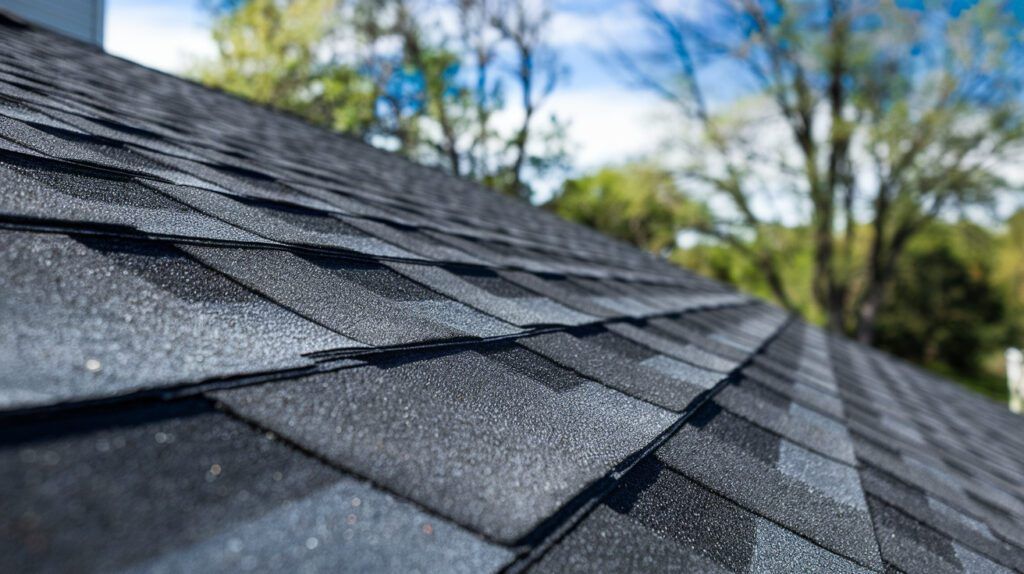
Straight Forward Construction replaces aging and damaged roofs in New Port Richey with a plan that addresses more than the surface covering. We assess wind-related damage, recurring water entry, roof edges, and connecting sections, then explain whether repair remains practical. When replacement is justified, the scope covers removal, deck conditions, water protection, installation, and closeout.
A lifted edge or a ceiling stain is a reason to inspect the roof, not proof that every roof section needs replacement.
In New Port Richey, wind-driven rain can expose failures at the perimeter, flashings, and connections between roof sections. We assess the damaged area and the surrounding material before recommending the next step. A localized opening may allow repair; widespread deterioration, repeated water entry, or unsuitable underlying materials can make replacement more appropriate. Rebuilding the roof should correct the failing details rather than cover them with another surface layer.

A replacement should connect sound support with the correct water-control layers and covering. The estimate needs to account for the edges and openings, not just open roof area.
Inspect reported leak areas, roof edges, visible storm damage, transitions, and remaining material condition to determine the justified scope.
Define which layers come off, where debris is handled, and how entrances, landscaping, outdoor equipment, and adjacent structures are protected.
Review the exposed substrate for deterioration and unsuitable prior repairs, documenting corrections needed to support the specified replacement roof.
Install the specified water-control assembly and roof-edge components with attention to laps, drainage routes, and transitions between roof pitches.
Rebuild included flashing details around walls, pipes, vents, and adjoining sections so known weak points are not concealed beneath new roofing.
Complete the chosen covering, check exposed details, clean the property, and organize applicable inspection results and replacement project records.
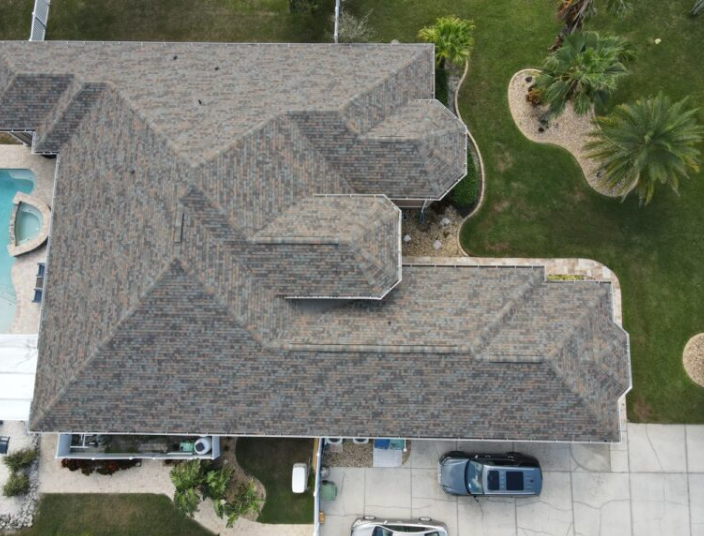
The pitched roof over a house and a shallow porch or commercial section may require different replacement materials. Shingles, metal, and low-slope membranes have distinct assembly details. Tile remains an option where the structure and design support it. Evaluate slope, attachment, maintenance, drainage, and material transitions together; choosing a covering alone does not establish how the completed roof will handle wind and rain.
Review starter and ridge pieces, roof edges, the water-shedding layer, flashing, and deck condition alongside the chosen shingle product.
The panel system needs compatible fastening, trim, seams, movement details, and planned transitions around openings and adjoining surfaces.
Specify the membrane, seams, drains, perimeter, and connection to steeper roof areas instead of applying a covering unsuitable for the pitch.
The property owner should understand access restrictions, roof-opening stages, and approval of hidden-condition repairs before removal begins. A weather-aware schedule is part of that preparation.
Review the roof condition and leak pattern, then discuss whether an isolated repair or larger replacement is warranted.
Specify assemblies for each included roof area, replacement details, allowances, exclusions, and the approach to discovered damage.
Confirm permitting jurisdiction, work access, material placement, debris collection, occupant needs, and the forecast-dependent work sequence.
Take off approved layers, correct documented deck issues, and build the replacement from prepared support through finished covering.
Complete the required inspection steps, check cleanup and finishing details, and explain ongoing roof care to the owner.
From the Cotee River area to properties near US 19, the roof plan should reflect the actual building, wind exposure, and drainage rather than a one-size-fits-all material recommendation.
West Pasco storms make attachment, perimeter details, and water-shedding continuity important, but no replacement can promise a hurricane-proof building. Roof work also does not resolve ground-level flooding. We discuss the roof-specific issues, protection while work is underway, and maintenance access afterward. Verify City of New Port Richey versus Pasco County jurisdiction for the parcel before the permit process is assigned; neighboring Port Richey is a separate city.
Roof replacement assessments for New Port Richey homes and commercial buildings, with the responsible jurisdiction, roof configuration, and site access confirmed for each address.
Old roof layers, pitch, height, material, deck deterioration, and mixed-system transitions affect the estimate. Identify how additional work is measured, communicated, and approved before tear-off.
Not always. Inspect the affected areas and the surrounding roofing to determine whether a lasting repair is possible. Multiple damaged slopes, brittle materials, repeated leaks, or deterioration beneath the covering can support replacement. Visible displacement after a storm warrants assessment, not an automatic sales conclusion.
The applicable permit and inspections depend on the property jurisdiction. Confirm whether the parcel falls within the City of New Port Richey or unincorporated Pasco County. Port Richey has a separate city government, so similar place names should not determine where the application goes.
Include it when its condition or the connection requires work, not simply because it is adjacent. Inspect drainage, seams, flashing, and how runoff reaches that section. A sound porch roof may remain, but the proposal must define how its connection to the new main roof is handled.
Concealed deck deterioration, unsuitable previous repairs, or additional layers can reveal work not visible during the first inspection. Agree in advance on how these conditions are documented and priced. Size, pitch, access, material changes, and complex transitions also influence the original replacement estimate.
Expect roofing noise, material deliveries, and restricted outdoor work areas. Wind, heavy rain, inspections, and hidden damage can change the sequence. Discuss occupancy, parking, debris handling, and how opened areas will be protected before work rather than relying on a fixed completion promise.
No roof can carry that promise. Performance depends on the complete assembly, attachment, installation, building condition, and the storm itself. After replacement, keep drainage routes clear and arrange inspection when materials move, flashing deteriorates, debris strikes, or leaks appear. Maintenance remains part of protecting the property.
Have Straight Forward Construction assess the failing areas and explain the practical options. Start with a defined scope covering the roof system, property protection, and the details needed before replacement begins.