Inspect the Existing Assembly
Review covering condition, leak locations, roof shape, penetrations, drainage, and accessible support so the recommendation reflects more than what is visible from the street.

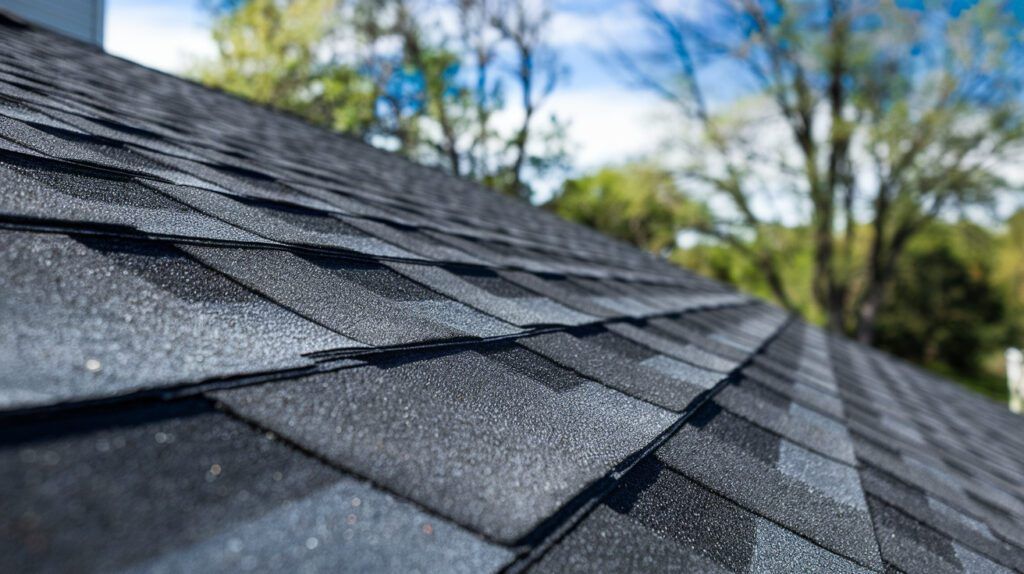
Straight Forward Construction provides roof replacement in Lake Wales for worn-out, leaking, and storm-damaged homes. We assess the covering and the layers beneath it, separate repairable defects from widespread failure, and explain the materials, decking work, water protection, installation details, and inspections included in your replacement scope.
An orderly roofline does not tell you whether flashing, underlayment, or concealed decking is still doing its job beneath the visible material.
For a Lake Wales homeowner, the decision starts with evidence: where water appears, how often repairs are needed, and how much of the assembly has deteriorated. A damaged tile or isolated flashing defect may allow a targeted repair. Repeated leaks, widespread covering damage, and compromised layers beneath otherwise presentable roofing can justify a broader replacement. Roof age adds context; it is not the whole diagnosis.

A useful replacement proposal identifies the assembly, not just the roof material. It should explain how removal, concealed conditions, water control, attachment, and finishing details will be handled.
Review covering condition, leak locations, roof shape, penetrations, drainage, and accessible support so the recommendation reflects more than what is visible from the street.
Define the tear-off area and material handling requirements. Plan debris collection and protection around entrances, landscaping, windows, and delivery access.
Examine the exposed deck for deterioration and unsuitable fastening surfaces. Necessary repairs should be recorded and discussed before new layers conceal them.
Install the selected underlayment assembly with coordinated valley and edge details. The water-control layers must suit the covering and the roof configuration.
Integrate flashing, ridge and hip details, wall connections, vents, and penetrations so the finished roof does not inherit avoidable defects from the old system.
Finish the approved installation, remove leftover materials and debris, review the work, and supply the applicable project records and inspection documentation.
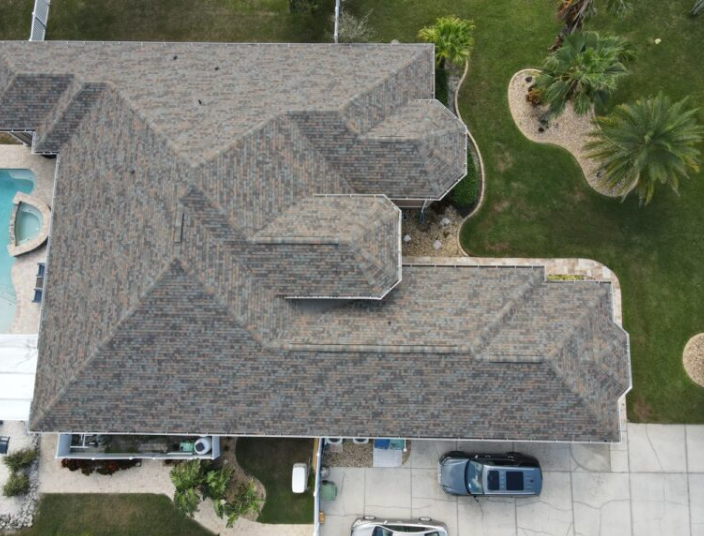
Changing a Lake Wales roof from one material to another requires more than choosing a new look. We consider the supporting structure, pitch, roof intersections, drainage, installation details, and future maintenance. Architectural shingles, metal, and tile each have different requirements. Where a property is subject to historic-district review, confirm appearance and material requirements before making the final selection.
Review shingle styles with the full roof in mind: deck repairs, water control, attic airflow, and secure roof edges.
Check panel size, trim, fasteners, roof pitch, and how heat movement is handled at joints and around pipes.
Confirm roof support and tile fit, then review the water barrier, valleys, flashing, and access for later repair work.
A planned replacement gives you decisions to approve before the roof is opened. Material choices, removal logistics, concealed-damage terms, and the inspection sequence should not be left until installation day.
Discuss the roof history and inspect the existing assembly to identify repairable areas, broader deterioration, and replacement priorities.
Agree on roof materials, included components, removal limits, deck repair pricing, and any appearance requirements affecting the property.
Arrange the permit path, delivery location, protection measures, and safe property access around the proposed installation sequence.
Remove specified layers, evaluate newly exposed conditions, complete approved corrections, and build the selected roofing system in order.
Review installed details and remaining items, verify cleanup and applicable inspection status, and organize the records you should retain.
Lake Wales has a historic core that includes its downtown district and Northwest Neighborhood. For properties within a regulated historic district, roof appearance can be part of the planning process.
Confirm whether historic review applies before changing materials, rather than assuming every Lake Wales address has the same requirements. Elsewhere, roof geometry, structural support, trees, access, and drainage still shape the job. Central Florida heat, UV exposure, humidity, and storm-driven rain also matter when evaluating wear and detailing the replacement. The permit path should be established for the specific city or county location.
We work with Lake Wales property owners and the surrounding Polk County service area. Include your address, existing roof material, and any known leaks when requesting a replacement evaluation.
Separate the base replacement from potential decking repairs or added flashing work. Material changes, structural needs, removal weight, roof complexity, and access can all change the project cost.
Ground-level appearance cannot confirm the condition of underlayment, concealed decking, or every flashing connection. Leaks and recurring repairs may reveal problems that the visible covering hides. An evaluation should connect those symptoms with actual deterioration before recommending replacement; attractive roofing alone is not proof that the assembly is sound.
Sometimes. An isolated damaged tile or flashing defect may be repairable when the surrounding assembly is serviceable. The condition of the underlayment matters: replacing visible tiles over compromised water-protection layers does not address the underlying problem. Inspection should establish whether localized work or a broader replacement is justified.
Look for the specified covering, removal layers, deck repair terms, underlayment, flashing, ventilation, disposal, permits, and inspection responsibilities. The estimate should also identify exclusions and how concealed damage is priced and approved. A material change can alter attachment, support requirements, and labor, so compare the complete proposed assemblies.
Discuss delivery and debris-container locations, move vehicles from the work zone, and keep pets and people away from active removal areas. Expect noise and vibration. Roof weight, access, weather, and any additional preparation can affect the sequence. Confirm safe entry routes and household arrangements before work starts.
No roof should be described as hurricane-proof. Material selection, fastening, roof edges, flashing, and the supporting structure all affect performance. Strong winds and debris can still cause damage. Replacement should address documented weaknesses and appropriate installation requirements rather than promise immunity from storms.
They can. Before changing roof materials or appearance on a property within a historic district, confirm whether the City requires a Certificate of Appropriateness in addition to the roofing permit. Properties outside city limits need their applicable permitting authority confirmed separately. Establish those requirements before ordering materials.
Get the roof condition, material choices, and replacement scope explained before committing to the work. Share your Lake Wales property details so we can discuss an inspection and the decisions ahead.