


Roof Repair in Lake Wales, FL
One leak does not automatically mean a new roof. Find out what failed, how far the problem extends, and whether a focused repair can keep your Lake Wales roof serviceable.
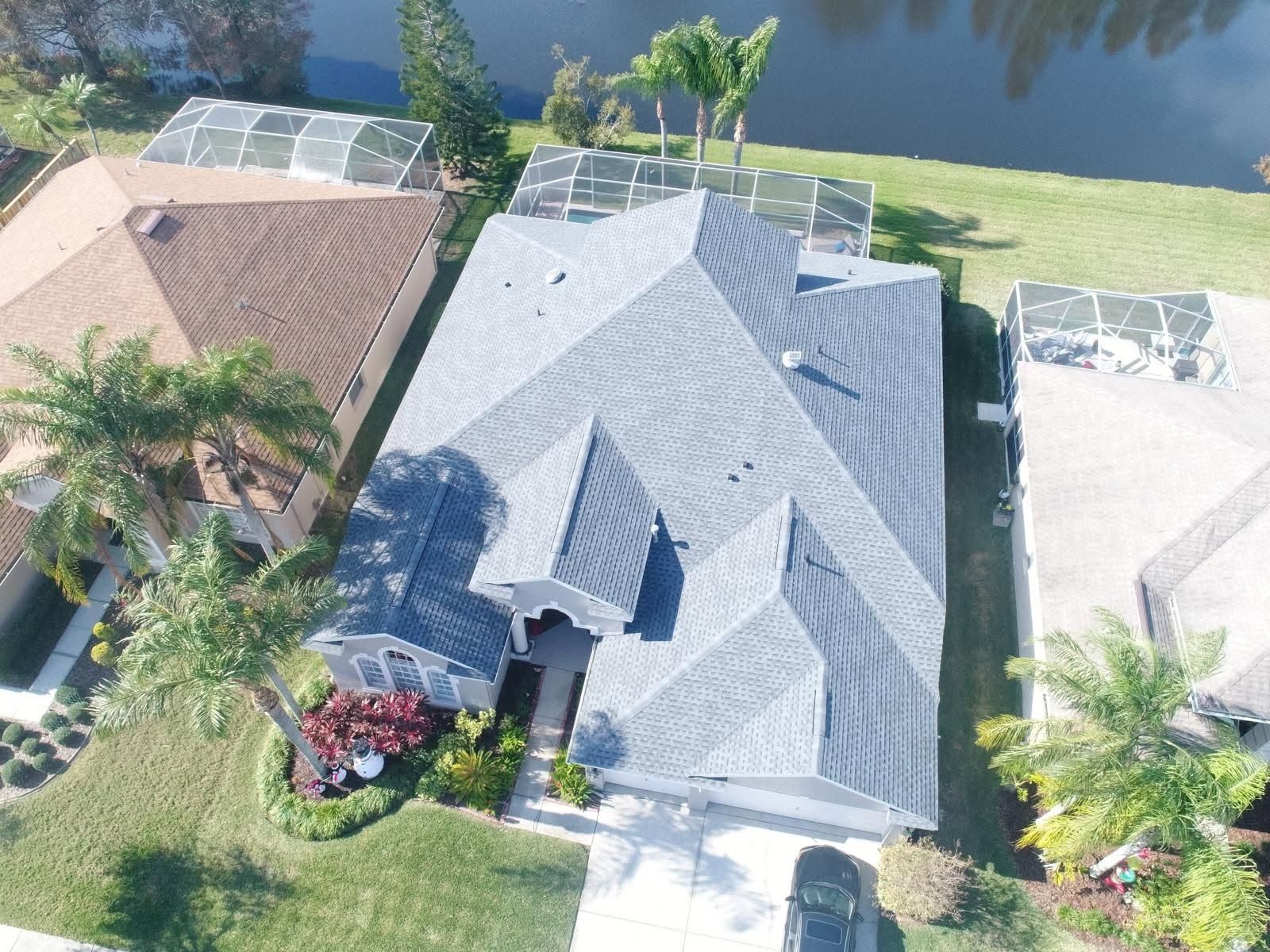
A roof repair should correct the cause of a failure and connect to sound surrounding materials. Straight Forward Construction evaluates Lake Wales roof leaks and damage with attention to flashing, underlayment, drainage, and the limits of the existing system.
Look beyond the surface before choosing the fix
A roof covering can hide the part that is actually leaking. Tile may appear intact while flashing or underlayment beneath it has deteriorated. Shingles may show only minor surface changes while a nearby valley or penetration allows water inside. A useful repair recommendation explains the relationship between the visible symptom and the components that need attention.
For Lake Wales property owners, the decision should be based on the specific roof rather than a generic repair package. Share the roof’s approximate age, material, previous leak locations, and any past work. If records are incomplete, say so. An honest starting point is more useful than assuming the existing assembly or earlier repairs are known.
Different materials need different repair details
Shingle roof repairs
Review damaged shingles alongside fastening, flashing, underlayment, and the condition of surrounding courses. A reliable repair requires enough workable material to integrate the replacement without creating new weak points.
Tile roof concerns
Broken or displaced tile can be part of the problem, but tile replacement alone may not resolve a leak. The underlying waterproofing and adjacent flashings may require attention, with careful handling of surrounding tiles.
Metal roof details
Leaks around penetrations, seams, fasteners, or transitions need a system-compatible approach. The evaluation should distinguish a localized detail failure from corrosion or deterioration affecting a larger portion of the assembly.
Low-slope sections
A porch or addition can need a membrane-based repair instead of the treatment used on the main roof. Check the transition, drainage path, seam condition, and any areas where previous patches have accumulated.
Older repairs can change the next repair
Multiple layers of patching can make the source harder to identify and the next correction more involved. Products that are incompatible with the original roof may prevent a straightforward bond or seam repair. Ask whether failed patch materials must be removed and whether the substrate beneath them needs further evaluation.
Appearance is another practical consideration. Matching an older tile profile, shingle color, or metal finish can be difficult. A proposal should explain material availability and reasonable expectations before the repair begins. Waterproofing, compatible installation, and connection to sound materials remain the priorities, with appearance discussed clearly rather than promised without verification.
Use repairability to guide the budget
The right choice should be supported by findings you understand. Open each option to see what belongs in the conversation.
A proposal should explain the work, its limits, and how discoveries will be handled before the project begins.
Keep a serviceable roof working
A defined defect in an otherwise sound roof can justify a targeted repair. Ask what caused the problem and how the proposed work changes that condition.
Expand only where the damage requires it
Affected underlayment, decking, or adjacent details can make the repair larger than the visible symptom. The scope should explain the boundaries and how discoveries will be handled.
Reconsider repeated patching
If material deterioration or recurring failures are widespread, another small patch may offer poor value. Compare a broader correction or replacement with the expected limitations of continued repair.
A clear path through the project
- 01
Describe
Share the leak history, roof information, photos already available, and any access restrictions. Explain which rooms or operations are affected.
- 02
Investigate
Review likely entry points, nearby details, and the surrounding roof. Identify observed findings, limitations, and any need for further investigation.
- 03
Define
Agree on repair boundaries, compatible materials, preparation, and the process for concealed damage. Understand what the repair includes and what remains outside its scope.
- 04
Repair
Complete the approved correction and address included affected materials. Coordinate access and protect the surrounding property during the work.
- 05
Review
Review the completed scope, cleanup, remaining roof concerns, and applicable repair terms. Keep the records so future maintenance can build on the work.
 Straight Forward Construction
Lake Wales roofing help with a clear starting point
Our Auburndale-based team serves Lake Wales homeowners and property managers. Provide the address, the roof type if known, and a description of the problem. Mention access limitations and whether leaks affect occupied rooms, stored belongings, or business operations. Those details help establish priorities before the evaluation.
Related roofing services
Find more detail about the service, material, or nearby coverage that fits your project.
Questions about your roof repair
Can you repair a tile roof leak without replacing the whole roof?
Sometimes. The source, condition of the underlayment, tile availability, and extent of damage determine the scope. A limited problem may support a local repair, while widespread deterioration beneath the tiles may require a larger project.
Why did the leak return after someone applied sealant?
The prior work may not have addressed the entry point, or the surrounding assembly may have continued to deteriorate. Sealant also has application and compatibility limitations. An evaluation should review the original detail and previous repairs.
Do you need to replace all of the roof if matching tile is unavailable?
Not automatically. Material availability is one factor among roof condition, repair size, compatible alternatives, and appearance expectations. The options need to be reviewed for the specific roof before deciding the appropriate scope.
Can a valley cause a leak away from the ceiling stain?
Yes. Water can travel after entering the roof assembly. A stain may appear away from the failed detail, which is why the investigation should review likely water paths and nearby transitions rather than only the area directly overhead.
Will you inspect the roof deck during a repair?
Deck condition can be reviewed where the agreed work exposes it. Concealed areas cannot always be assessed fully beforehand. Ask how suspected hidden deterioration will be investigated and how any added work will be documented and authorized.
How much will a Lake Wales roof repair cost?
Cost depends on the source, roof material, height, access, repair area, flashing complexity, and affected underlying materials. An inspection-based written scope is more useful than a price based only on the size of an interior stain.
Get a clear answer about your roof.
Tell us the property location, what you are seeing, and what you want to accomplish. We will help you identify the next practical step.