Condition & Leak Review
Compare visible deterioration, leak locations, previous patches, roof geometry, and material serviceability before deciding what needs replacement.

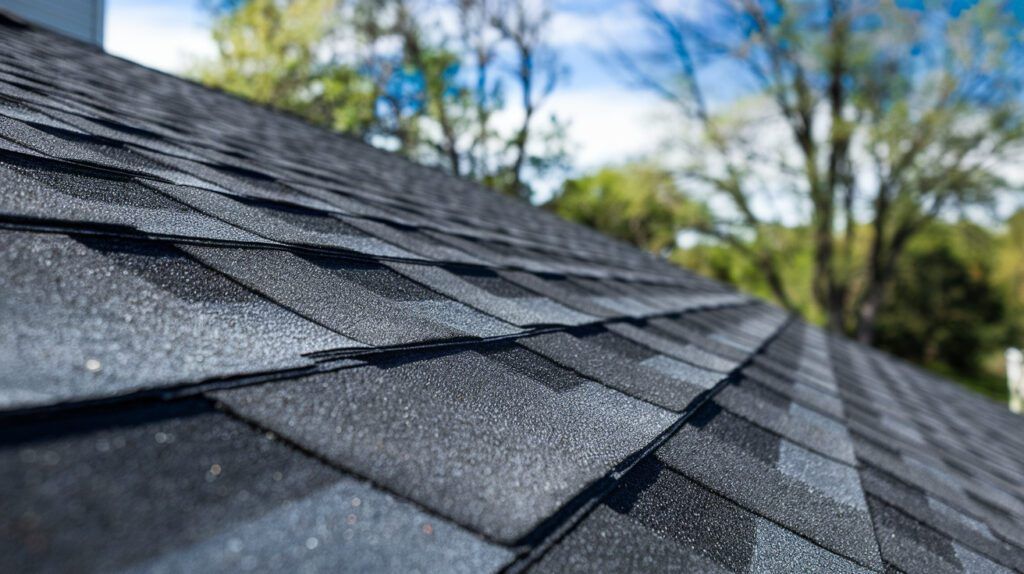
Straight Forward Construction replaces roofs in Auburndale when the existing system can no longer support dependable repairs. We examine recurring leaks, material deterioration, and signs of deck damage, then explain the replacement scope from removal through final review. You get a recommendation tied to roof condition, not pressure to replace a serviceable roof.
A patch can address one failed detail. It cannot reverse deterioration across the roof or make unsound decking suitable for another covering.
For Auburndale property owners, the decision should start with the condition of the whole assembly. Sun exposure can age roofing while shaded debris traps moisture along valleys and edges. We look at repair history, surrounding materials, flashing, and accessible decking. Widespread brittleness or separate recurring leaks may justify replacement; a single repairable opening or surface discoloration does not automatically mean the entire roof has failed.

A complete proposal should account for what comes off, what is inspected underneath, and how the new roof manages water at every vulnerable connection.
Compare visible deterioration, leak locations, previous patches, roof geometry, and material serviceability before deciding what needs replacement.
Remove the agreed covering and layers, manage debris, and expose the deck while limiting the amount of roof left open.
Document deteriorated panels and unsuitable attachment areas, explain the correction, and follow the agreed approval process for additional work.
Build the specified underlayment and edge assembly, addressing water paths through valleys and transitions instead of repeating the old weak points.
Address wall flashing, pipe openings, exhaust locations, and roof ventilation as coordinated parts of the replacement rather than cosmetic accessories.
Complete the chosen roof system, clean the jobsite, review outstanding details, and supply the applicable project and inspection documentation.
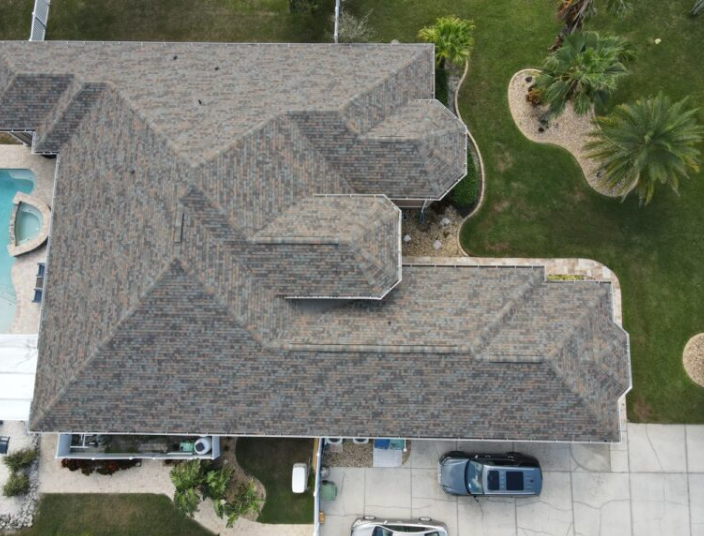
Replacing a roof creates an opportunity to reconsider material, maintenance, and appearance, but the existing structure still sets limits. Shingles, metal, or tile must suit the pitch and support. For a commercial building or shallow roof section, discuss an appropriate low-slope system separately. Changing material can also change the weight, flashing details, preparation, and total project cost.
Evaluate deck condition, starter and ridge components, valleys, and flashing alongside the selected shingle style and color.
Review the panel system, attachment, roof shape, penetrations, and thermal movement before deciding whether a material change makes sense.
A tile roof needs sound support, a water-control layer beneath the tiles, sound flashing, and the specified fastening details.
Before tear-off, you should understand what the estimate includes, how hidden conditions will be handled, and which parts of the property need to remain clear.
Examine the roof and available leak history, then explain the evidence supporting either repair or replacement.
Set out roof areas, removal, materials, decking allowances, exclusions, and the process for approving changes.
Coordinate permits, delivery and debris space, parking, landscaping protection, and access for occupants and crews.
Expose the deck, address approved corrections, dry in the prepared roof, and install the specified components.
Review the roof details and cleanup, complete applicable inspections, and discuss care of the new assembly.
Auburndale roofs do not weather evenly. Open slopes receive direct sun, while tree-covered valleys and eaves can collect leaves that obstruct the route water should follow.
The replacement plan should address those differences without promising a storm-proof roof. We review drainage, accessible ventilation, and the details that admit wind-driven rain. Properties around Lake Ariana and elsewhere in the city need parcel-specific planning, not assumptions based on neighborhood alone. Confirm the responsible city or county permitting authority and keep the roof-opening schedule responsive to changing weather.
Replacement evaluations for homes and commercial properties in Auburndale and surrounding Polk County, with recommendations based on each building rather than its age alone.
Roof size, pitch, old layers, material selection, and access shape the estimate. Hidden deck damage should have an explained measurement, pricing, and approval method.
Not necessarily. A localized flashing or pipe-boot defect may be repairable when the surrounding assembly remains sound. Replacement becomes more reasonable when failures are widespread or repeated patches depend on brittle, deteriorated materials. An inspection should explain which condition your roof actually has.
No. Discoloration alone is not proof of system failure, and granule observations need context. Inspect for exposed or brittle material, damaged details, leaks, and overall wear before deciding. Cleaning or maintenance cannot restore structurally damaged roofing, but staining alone does not establish that damage.
Expect overhead noise, deliveries, debris removal, and restricted areas around the building. Discuss parking, pets, outdoor items, and occupant access before work. Roof size, weather, inspections, and concealed damage affect the sequence, so the plan should explain disruptions without promising an unsupported completion date.
Compare roof measurements, included removal layers, material systems, flashing, ventilation, deck allowances, access, and disposal. A lower figure may exclude necessary work. Ask how deteriorated decking discovered after tear-off will be documented and authorized rather than assuming every hidden condition is included.
Roof replacement requires the applicable permit and inspection process. Confirm whether the property is within the City of Auburndale or under Polk County jurisdiction before work begins. The proposal should clarify who handles the application, inspections, and required closeout documents for that address.
Yes. Wind, debris impact, and water entry may reveal a broader repair scope, while approaching rain can change when areas are opened. Storm damage still needs inspection; it does not automatically require full replacement. Newly installed roofing also needs periodic checks and clear drainage paths.
Arrange a roof assessment with Straight Forward Construction. We will explain the condition, discuss realistic options, and define the replacement work your property needs before you commit.