Locate the Trouble Area
We start with the leak, visible damage, storm history, and surrounding roof details. A broken tile may be the cause, or it may be only one part of the issue.



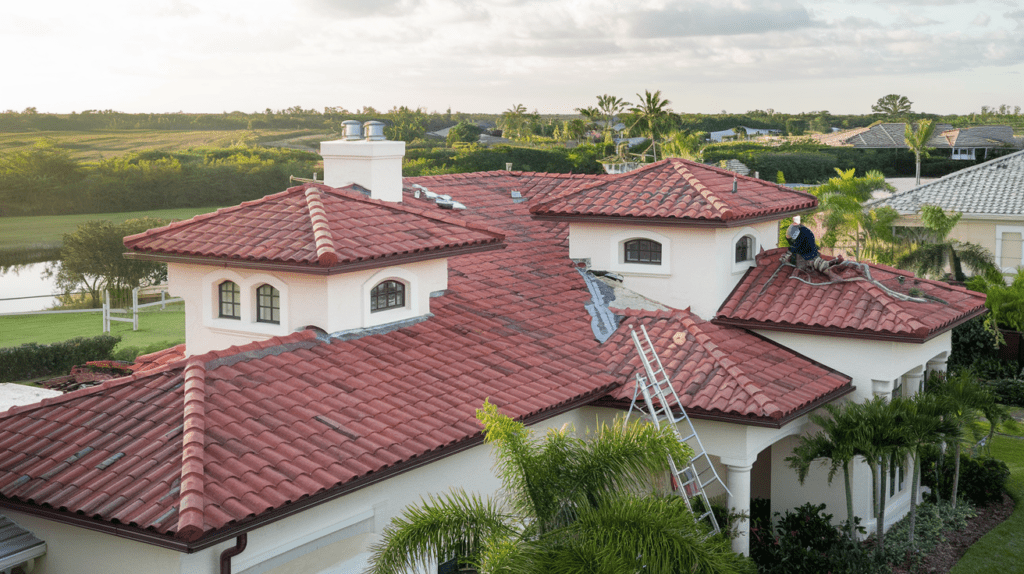
Tile roofing is a familiar part of Florida architecture, but the visible tile is only one part of the roof. Good performance depends on the roof deck, water-shedding layers below the tile, flashings, fastening method, drainage, and careful replacement of damaged pieces. Straight Forward Construction installs and services tile roofing for Riverview, FL properties and helps owners compare repair and replacement options based on the roof in front of them.
Broken tile is easy to notice. Problems below the tile can be harder to see, which is why the inspection needs to look at more than the surface.
Water can enter around a cracked piece, a roof opening, a valley, or a failed transition and then travel before it reaches the interior. Replacing one tile may solve an isolated issue, but it will not correct a problem in the layers beneath it. We review the visible tile, surrounding roof details, and accessible areas below the surface so repairs are based on the likely source of the problem. When the roof has broader wear, we can also discuss whether replacement is the more practical path.

Tile roofing work depends on how much of the roof needs to be opened, the condition of the materials below, the type of tile, and whether compatible replacement pieces are available.
We start with the leak, visible damage, storm history, and surrounding roof details. A broken tile may be the cause, or it may be only one part of the issue.
Cracks, missing corners, slipped tiles, and impact damage are reviewed along with nearby courses. Walking on tile carelessly can create additional breakage.
Where access allows, the materials beneath the tile and the condition around roof openings, valleys, and transitions help show whether a surface repair is enough.
Localized work may include replacing damaged tiles and correcting the related water-entry point. Matching older tile can affect how a repair is planned.
Widespread deterioration, repeated leaks, aging layers below the tile, or extensive breakage can make a broader replacement project more practical than repeated spot repairs.
The completed area, roof details, and cleanup are reviewed after the agreed work is finished. We can also point out remaining areas that should be monitored.
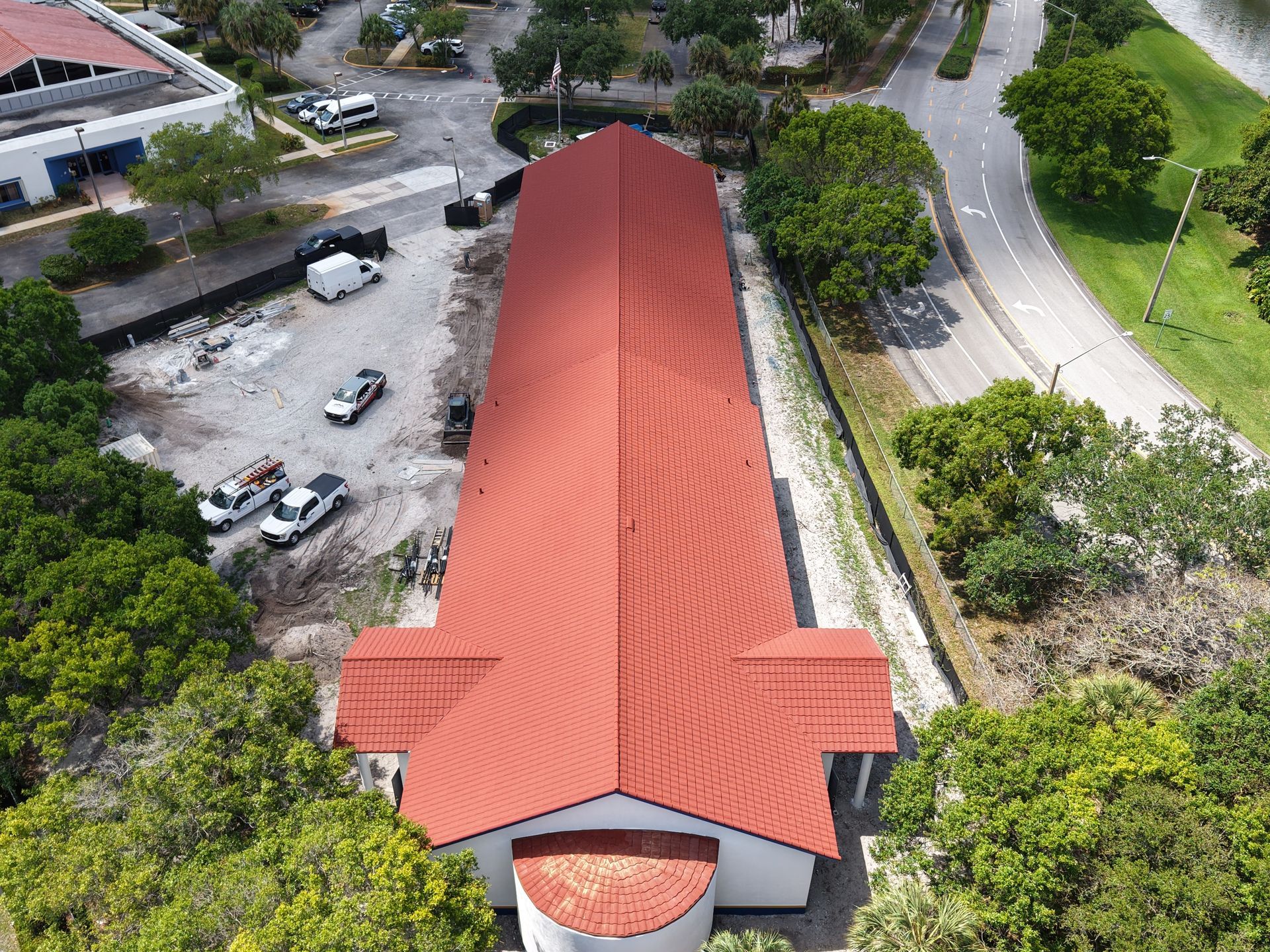
Straight Forward Construction works with tile roofing as one of its residential roofing options. Concrete and clay tile can both provide the architectural look many Florida homeowners want, but profile, weight, fastening, replacement availability, roof shape, and the layers below the tile all affect the project. A material choice should be made for the actual building rather than appearance alone.
Concrete tile is available in different profiles and finishes. Its suitability depends on the roof design, product requirements, supporting structure, and the details used around edges, valleys, and openings.
Clay tile has a distinct appearance and can require careful handling because individual pieces may be brittle. Compatible replacement material and the roof layout both matter during repair work.
Tile shapes change how pieces overlap and how the roof is detailed. A flat-profile installation and a high-profile tile roof can require different handling around transitions and roof openings.
The first step is to understand what the roof is doing now. We look at the visible damage, the surrounding tile field, roof details, and the property before recommending a repair or a larger replacement project.
Tell us about past leaks, previous tile repairs, storm damage, roof age if known, and any areas where tiles have broken or shifted.
We review accessible roof areas, valleys, openings, transitions, edges, and the tile pattern around the problem to narrow down the likely source.
We consider the size of the damaged area, condition of nearby tile, access to compatible replacements, and whether the layers below also need work.
Materials, access, protection, weather, and the sequence of tile removal and installation are coordinated around the agreed repair or replacement.
After the work is finished, the repaired or replaced sections and cleanup are checked, and any remaining maintenance concerns can be discussed.
Riverview roofs are exposed to strong sun, humid conditions, heavy summer rain, and seasonal storms. Tile can be durable, but wind-driven rain, debris impact, and age-related wear can still expose weak points around roof details and the materials below.
A tile roof near open exposure may see different storm pressure than one protected by nearby buildings and trees. Roof shape, drainage, previous repairs, tile profile, and the condition of the roof beneath the tile all affect what should be done. Local weather is a reason to inspect carefully, not a reason to assume every tile roof needs the same repair or replacement plan.
Straight Forward Construction serves Tampa Bay project requests and offers tile roofing among its residential roofing options. Riverview property owners can contact the team about cracked tile, leaks, storm damage, repair questions, or planned replacement.
Tile material, roof size, slope, access, roof complexity, removal needs, replacement-tile availability, damage below the tile, and the number of roof details all influence the work. A site-specific evaluation is needed before the scope can be defined.
Often, yes, when damage is limited and compatible replacement tile is available. The area below the broken pieces still needs to be checked for water entry or other damage. A surface repair alone may not be enough if the problem extends underneath.
Water can enter at valleys, roof openings, transitions, flashings, or damaged materials beneath the tile. The visible tile helps shed water, but it is not the only protective part of the roof. The leak source may be away from the interior stain.
Sometimes, but matching depends on the tile profile, manufacturer, age, color variation, and what materials are still available. When an exact match cannot be found, the repair plan should address both function and the likely visual difference.
Not automatically. The roof design, supporting structure, slope, product requirements, local rules, and project goals need to be reviewed before changing to tile or selecting a specific tile product.
Avoid walking on the roof because tile can be slippery and additional pieces may break under foot. Note what you can see safely from the ground, watch for indoor leaks, and arrange an inspection of the affected area.
Difficult access, steep or complex roof sections, large repair areas, material matching, removal needs, damaged materials beneath the tile, and many roof openings or transitions can add labor and material. The actual roof condition determines the project.
If your Riverview tile roof has cracked pieces, recurring leaks, storm damage, or broad wear, contact Straight Forward Construction. We can review the roof and explain whether a targeted repair or a larger tile roofing project makes more sense.