Confirm the Existing Roof Condition
We review visible wear, leak history, prior repairs, and problem areas to understand whether replacement is justified and which parts of the roof may need extra attention during removal.

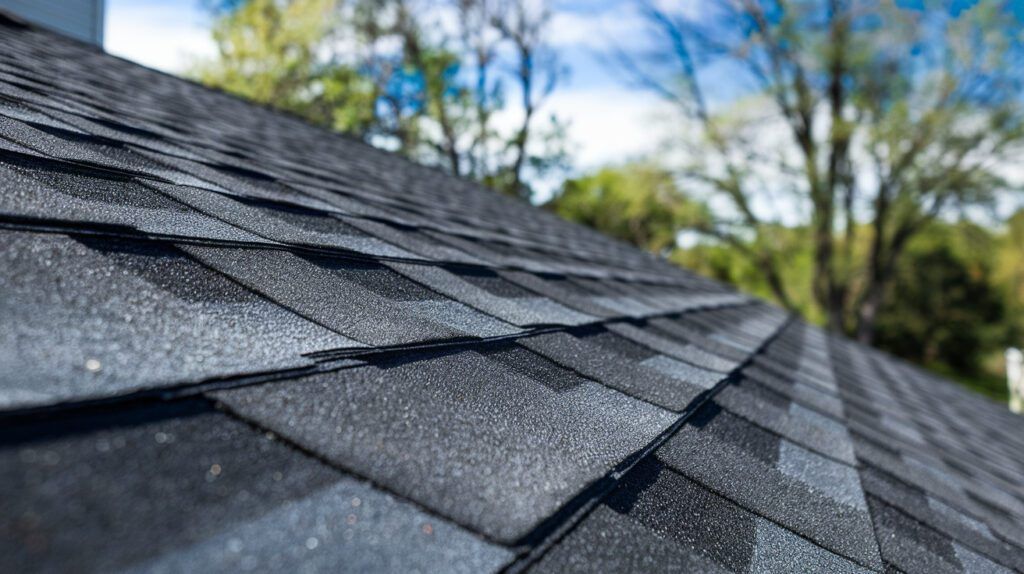
A roof replacement is a bigger decision than fixing one isolated leak. It makes sense to look at the whole roof, the pattern of past repairs, the condition of the materials, and how well the roof is still protecting the property. Straight Forward Construction provides roof replacement in Riverview, FL for residential and commercial properties. We help you understand why replacement may be the better option, review material choices, and plan the work around Florida weather and the building itself.
One damaged area does not automatically justify a new roof. Replacement becomes more reasonable when wear or failure is spread across the roof instead of limited to one repairable section.
A roof with repeated leaks, broad material deterioration, many old repairs, or damage across several sections can become difficult to manage one patch at a time. We look at the roof as a whole and compare what another repair would realistically accomplish against the cost and disruption of replacement. If a repair can solve the problem reliably, that should stay on the table. If the roof is failing in multiple places, replacement can give you a cleaner reset.

Replacement starts before tear-off day. The roof condition, material choice, access, weather, removal needs, and possible deck repairs all affect how the project should be planned.
We review visible wear, leak history, prior repairs, and problem areas to understand whether replacement is justified and which parts of the roof may need extra attention during removal.
Material selection should fit the property, roof shape, budget, appearance goals, and Florida conditions. We explain practical differences without pushing one option for every building.
The old roofing is removed in a controlled sequence so the deck and roof details below can be checked. Weather protection matters while sections of the roof are open.
Once the roof is open, damaged or deteriorated deck sections can be identified more clearly. Unsuitable areas need attention before the new covering is installed over them.
The new roofing is installed with the edges, valleys, openings, seams, and drainage details needed for that material and roof shape. Those details matter as much as the field of the roof.
The completed work area is checked and cleared, and we review any maintenance points or roof details the owner should understand after replacement.

There is no single roof material that fits every home or commercial building. Roof slope, architecture, drainage, maintenance expectations, appearance, budget, and exposure to sun and storms all matter. Some owners prefer the familiarity of shingles, while others consider tile, metal, or a commercial membrane based on the building. We explain how each option affects installation and upkeep so the choice is based on the property rather than a sales script.
Shingles are common on sloped roofs and offer a range of styles. Replacement planning includes roof shape, valleys, ventilation, edges, and the condition of the deck once the old material is removed.
Tile and metal each need their own installation approach, attachment details, and handling during removal. Roof structure, slope, and the existing material all influence how the replacement is planned.
Low-slope commercial roofs rely heavily on seams, drainage, roof openings, and transitions. Existing insulation or moisture below the surface can affect how much material must be removed and rebuilt.
A replacement project should be clear before materials start coming off. We walk through the roof condition, material choice, access, weather concerns, and what could change if hidden damage appears during removal.
We look at leak history, visible wear, storm damage, old repairs, and the overall condition to confirm whether replacement makes sense for the property.
We compare practical options for the building, including appearance, maintenance, roof shape, and how each material fits Central Florida conditions.
Access, removal, material delivery, weather, property protection, and possible hidden deck repairs are discussed so the replacement has a clear working plan.
The old covering is removed as planned, unsuitable deck areas are addressed, and the new roof is installed with the details needed for the selected material.
We check the finished work area, clear debris from the project zone, and explain the roof details and maintenance points that matter after installation.
Strong sun, humidity, sudden downpours, and severe storms put regular stress on roofs in Riverview. Material choice and installation details should reflect those conditions instead of treating the property like one in a mild climate.
Heavy rain makes drainage details important, while strong sun can age exposed materials over time. Wind can also test edges and roof connections during severe storms. The replacement plan should account for the roof shape, ventilation, drainage, and the property's exposure. Local permit and inspection requirements may also affect how the project is scheduled and completed, so those details should be confirmed for the specific property before work begins.
We provide roof replacement for homes and commercial properties in Riverview and nearby Hillsborough County. If repairs are adding up or the roof is showing widespread wear, we can help you compare replacement options and next steps.
Roof size, slope, material, height, access, removal, deck repairs, roof openings, and disposal all affect replacement cost. Hidden damage found after tear-off can change the amount of work, which is why that possibility should be discussed before the project starts.
Replacement may be more practical when leaks or material failure are spread across the roof, repairs keep returning, or the surrounding roofing can no longer support a reliable local fix. A limited problem on an otherwise sound roof may still be repairable.
Often, people remain in the property, but replacement creates noise, vibration, exterior work, and periods when sections of the roof are open. Access needs and building use should be discussed before work starts, especially for commercial properties or sensitive indoor spaces.
Once the old covering is removed, hidden deck damage can become visible. Unsuitable sections may need repair or replacement before the new roof goes on. The estimate should explain how newly discovered damage will be handled so there is a clear process for changes.
Start with the roof slope, building type, appearance, maintenance expectations, budget, and existing structure. Each material is installed differently and fits different properties. A useful comparison should focus on your building rather than treating one material as best for everyone.
Roofing work can be planned during rainy months, but daily weather affects how much of the roof can be opened safely. The crew needs a plan for changing conditions and should avoid exposing more roof than can be protected if storms develop.
The biggest factors are roof size, slope, material, access, removal needs, roof details, and the condition of the deck below the old covering. Commercial roofs may also involve insulation, drainage, or additional layers that change the work.
If your roof has repeated leaks, widespread damage, or too many repair areas to ignore, contact Straight Forward Construction. We can review the roof at your Riverview property, explain whether replacement makes sense, and walk through material and project options.