Trace the Water Entry Point
We compare interior symptoms with the roof above them and check nearby openings, transitions, valleys, seams, and damaged materials that could be letting water through.



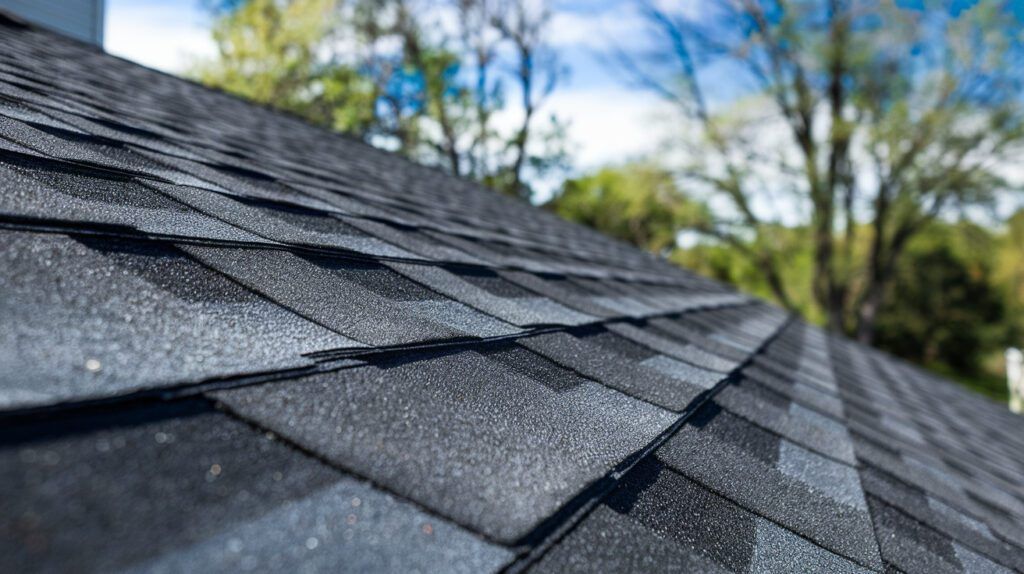
A roof leak rarely tells you exactly where the problem started. Water can enter around a damaged shingle, loose section, valley, vent, or seam and travel before it shows up indoors. Straight Forward Construction provides roof repair in Riverview, FL for homes and commercial properties. We trace the likely source, check the surrounding area, and explain whether a focused repair makes sense or the damage points to a larger roof issue.
Patching the first visible opening can miss the actual source. A lasting repair begins with understanding how water reached the damaged area.
Leaks can come from storm damage, shifted materials, worn roof details, failed seams, or small openings that only leak during hard rain. We check the area around the symptom instead of assuming the stain below marks the exact entry point. If the surrounding roof still has useful life and the damage is limited, a repair may be the practical choice. If the problem is widespread or keeps returning, we explain why a larger solution may deserve consideration.

A repair involves more than replacing the piece that looks damaged. We work through the likely leak source, the condition of nearby roofing, safe access, and the details needed to close the area back up.
We compare interior symptoms with the roof above them and check nearby openings, transitions, valleys, seams, and damaged materials that could be letting water through.
The roof type determines how the damaged section can be opened or handled. Nearby materials that are staying in place need to be protected while the repair is completed.
Loose, broken, deteriorated, or water-damaged material is removed as needed so the repair is made to a sound area rather than built over something that has already failed.
The repair is matched to the roof material and the affected detail. The goal is to restore the damaged area while tying it back into the surrounding roof correctly.
Roofing layers, seams, and surrounding details are put back together so rain can drain across the repaired area instead of working underneath it.
We check the repaired section and explain any nearby wear, maintenance needs, or broader roof conditions that could affect how the area performs going forward.
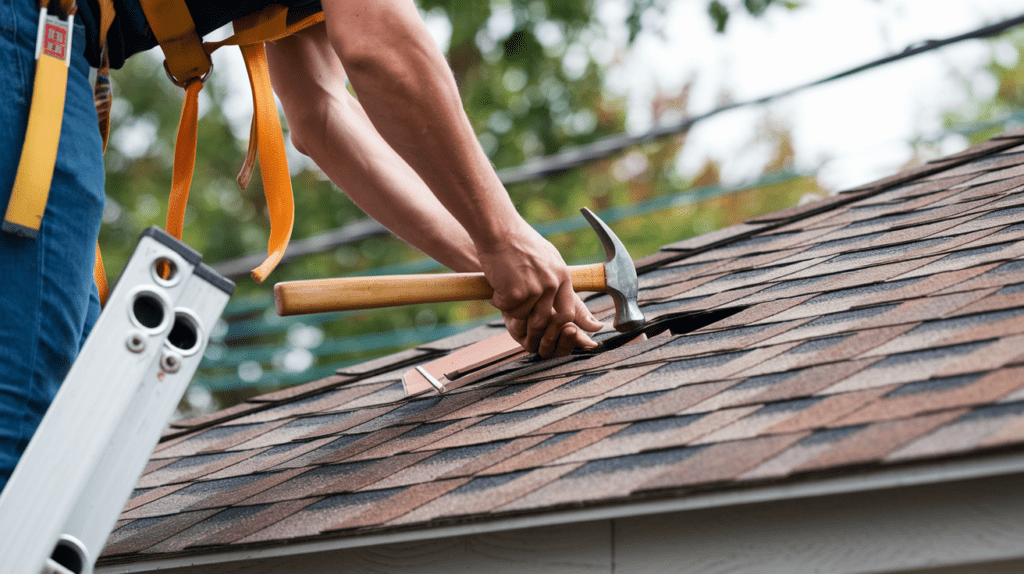
A repair under asphalt shingles is handled differently from one involving tile, metal, or a commercial membrane. Materials come apart, reconnect, and shed water in different ways. Some damaged pieces can be replaced directly, while other roof types require a wider working area to make a reliable repair. We consider the roof material, the location of the leak, and the condition around it before recommending how far the repair should extend.
Damaged or missing shingles may need replacement along with work around the opening or transition that caused the leak. Nearby shingles must still be able to tie into the repaired area properly.
Broken tile, shifted pieces, loose panels, or problem seams require care around the surrounding material. Access, attachments, and the condition of adjacent sections affect the repair plan.
Low-slope roofs may need work at seams, punctures, edges, or roof openings. Drainage and trapped moisture clues can change how much of the affected area needs attention.
We keep the repair process tied to the problem you are actually seeing. The plan starts with the leak or damage, then adjusts if opening the area reveals conditions that could not be seen from the surface.
Share when the leak appears, where you see damage, whether a storm recently passed through, and any earlier repair work in the same area.
We review the affected roof section and nearby details to determine where water may be getting in and whether the damage appears limited or more widespread.
Before work moves forward, we explain which area needs attention, what materials are involved, and where hidden damage could change the repair once the section is opened.
Failed material is removed as needed, the affected area is repaired, and the roof covering is reconnected so it can shed rain across the finished section.
We check the repair area, clear the work zone, and point out any surrounding roof conditions that may need future maintenance or a separate evaluation.
Strong sun, humidity, wind, and sudden downpours can test small roof weaknesses quickly. A lifted edge or worn detail may stay quiet in light rain and leak when a heavier storm arrives.
That is why timing and weather history matter when we evaluate a repair. A leak that only appears during wind-driven rain may point to a different area than one that drips after hours of steady rainfall. We also consider whether repeated moisture has affected nearby materials. The repair recommendation should fit the actual damage, not assume every leak means a full roof replacement or every visible opening can be solved with a surface patch.
We provide roof repair for homes and commercial properties in Riverview and nearby Hillsborough County. Tell us where the leak or damage shows up and what you have noticed during recent rain or storms.
Repair cost depends on the roof material, size and location of the damaged area, slope, access, removal needs, and whether hidden moisture or damaged materials appear after the area is opened. A small visible defect can involve more work if the problem extends underneath.
A focused repair may make sense when the damage is limited and the surrounding roof is still in workable condition. Repeated leaks, widespread wear, or several failing areas can make replacement worth comparing. The decision should be based on the overall condition, not just one symptom.
Yes. Many leaks are not directly above the indoor stain. The repair process starts by comparing the interior symptom with roof details above and around it, then narrowing down the most likely water path before opening or repairing the area.
Sometimes. Missing shingles, a limited puncture, or damage confined to one section may be repairable. If the storm affected a broad area or exposed older roof weaknesses, a larger repair or replacement discussion may be more practical.
The affected roof area may need to be opened to complete the repair. Weather conditions and the size of the work area matter, so temporary protection and the order of work should be planned before materials are removed.
Roof material, height, slope, safe access, the size of the damaged area, removal needs, and hidden moisture can all affect the work. Repairs around roof openings or transitions may also take more effort than replacing a simple surface piece.
Keep people away from wet ceilings or electrical hazards and move belongings if it is safe to do so. Do not climb onto a wet or damaged roof. Contact a roofing professional to discuss safe temporary protection and the repair needed once conditions can be assessed.
If a leak keeps returning or a storm has damaged part of your roof, contact Straight Forward Construction. We can review the affected area at your Riverview property, explain what the repair may involve, and help you compare the next steps.