Start With the Symptoms
We ask about leaks, storm exposure, past repairs, and changes you have noticed. That history helps us focus on areas that may not stand out from a quick visual check.

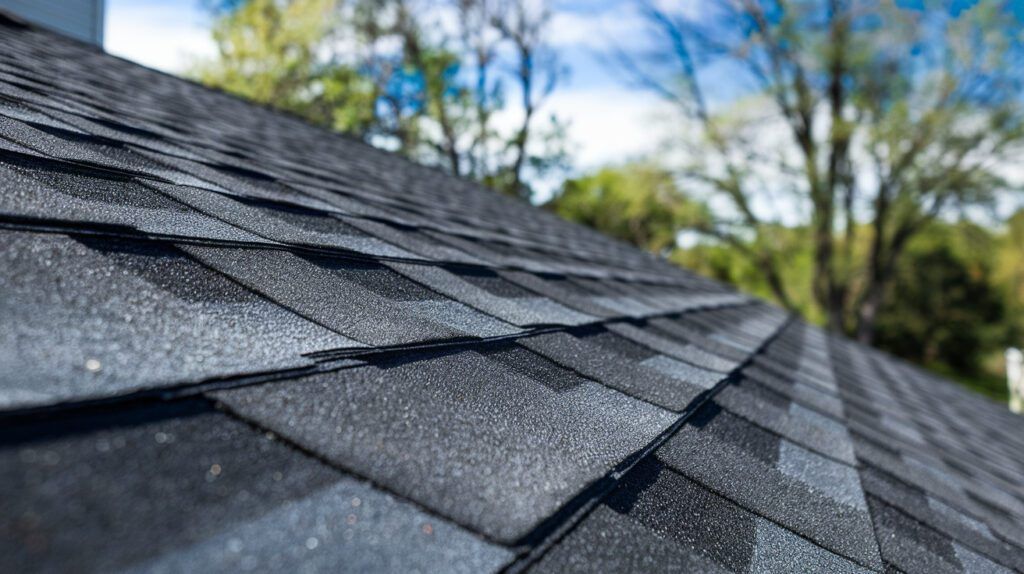
Roof problems are not always obvious from the ground. A stain inside, a few lifted shingles, or a recent storm can leave you wondering whether you need a repair or simply a closer look. Straight Forward Construction inspects residential and commercial roofs in Riverview, FL. We review visible roof conditions, look for signs of water entry, and explain what deserves attention now versus what can be watched over time.
You do not have to wait for water to reach the ceiling before checking the roof. Small changes outside can point to developing problems worth catching early.
A roof can look mostly normal while a few details are starting to fail. We check for damaged or displaced materials, worn areas around openings, drainage problems, and signs that water has moved below the surface. The goal is not to turn every concern into a repair. It is to understand the roof as it sits today, identify areas that need action, and give you a clearer basis for maintenance, repair, or replacement decisions.

The inspection is built around the roof type, what you have noticed, and what can be safely accessed. We check the visible exterior, follow moisture clues where practical, and explain the condition in clear terms.
We ask about leaks, storm exposure, past repairs, and changes you have noticed. That history helps us focus on areas that may not stand out from a quick visual check.
We look across accessible roof surfaces for displaced, cracked, loose, worn, or damaged materials, along with details that may allow water to move underneath.
Roof edges, vents, valleys, wall connections, and other transitions often show trouble before broad roof areas do. These details get their own closer look.
Blocked flow paths, low areas, and drainage problems can keep water where it should not sit. We note visible conditions that may contribute to recurring moisture.
When interior or attic access is available and useful, stains, damp materials, or daylight can help narrow down where an exterior problem may be affecting the building.
We review what needs attention, what can be monitored, and whether repair or replacement deserves a closer discussion. Recommendations are tied to the conditions we can actually see.
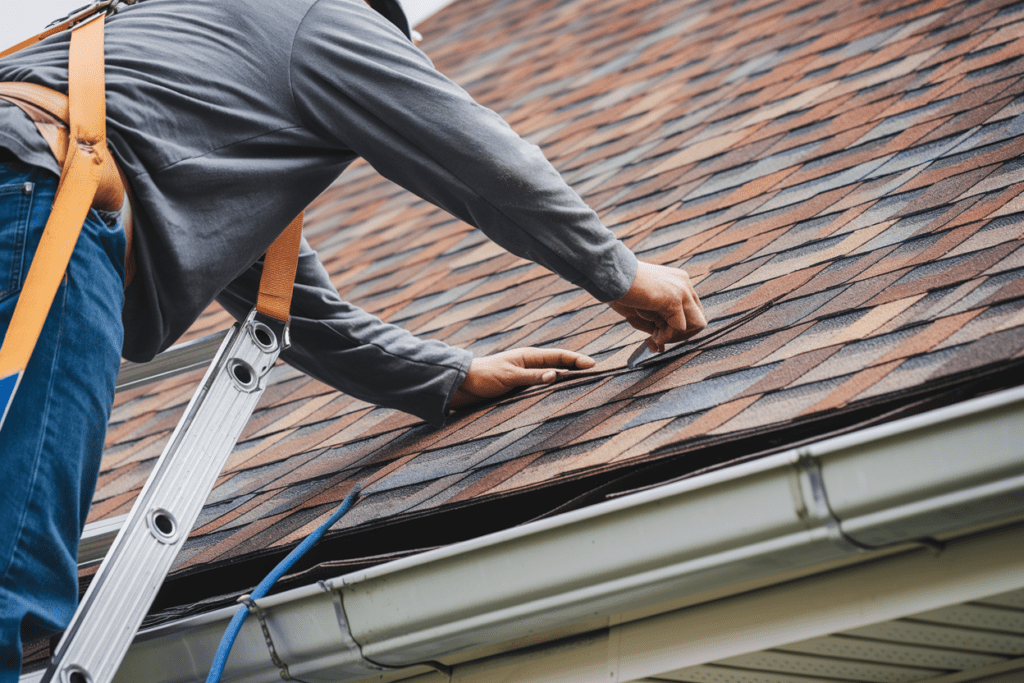
Asphalt shingles, tile, metal, and commercial membranes age and show damage in different ways. Fasteners, seams, surface wear, cracked pieces, loose sections, and drainage details do not look the same from one roof to another. We adjust the inspection to the material in place and the concerns you reported rather than using one checklist for every property. If something cannot be safely confirmed during the visit, we explain that limitation instead of guessing.
We look for missing, lifted, cracked, or worn shingles, along with changes around roof edges, valleys, vents, and other areas where water commonly finds a path underneath.
Tile may show cracked, shifted, or broken pieces, while metal roofs may show loose panels, movement at seams, or fastener concerns. Access and roof condition affect what can be checked safely.
Flat and low-slope roofs need attention to seams, penetrations, surface wear, drainage, and areas that may hold water. Interior moisture clues can also help narrow the source of a problem.
A useful inspection should answer the reason you called. We start with your concern, review the roof as conditions allow, and finish by explaining what the roof needs next instead of leaving you with a list of unexplained observations.
Share any leaks, storm concerns, recent repairs, visible damage, or changes you have noticed. Even a small detail can help focus the inspection.
We consider roof height, slope, material condition, weather, and interior access before deciding which areas can be checked safely during the visit.
The review covers visible roofing, edges, openings, transitions, and drainage details, with interior moisture clues checked where access is available and relevant.
We explain the areas that look serviceable, the items that need attention, and any conditions that should be monitored or evaluated further.
If maintenance, repair, or replacement makes sense, we explain why. If no immediate work is needed, you should know that too.
Riverview sees strong sun, humidity, summer downpours, and severe storms. Those conditions can loosen materials, push water into small openings, and speed up wear around roof details.
An inspection after a leak or severe storm can help distinguish visible storm damage from older wear that was already developing. On hot, humid properties, attic ventilation and signs of trapped moisture may also matter. We keep the review focused on the roof in front of us and the conditions that affect it, then explain what is worth addressing before another stretch of heavy rain tests the same weak spots.
We inspect roofs in Riverview and nearby Hillsborough County for homeowners and commercial property owners who want a clearer view of current roof condition before making a repair or replacement decision.
Roof size, slope, material, height, safe access, interior access, and the concern that prompted the visit can all affect how much can be reviewed. Some hidden conditions only become visible if repair work later opens the roof.
A leak, ceiling stain, visible damage, severe storm, or noticeable change in the roof is a good reason to schedule one. An inspection can also help before planned roof work when you want to understand the current condition first.
No. The purpose is to understand the roof condition. Some items may only need monitoring or routine maintenance, while others may justify repair. A larger replacement discussion should be based on broader roof condition, not a single minor issue.
Yes. Straight Forward Construction works with residential and commercial roofing. The inspection approach changes with the building, roof material, slope, drainage, and safe access available at the property.
Sometimes. Interior access can be useful when there are ceiling stains, attic moisture, or other signs that may help trace a roof concern. If interior access is not available, the exterior inspection can still document visible conditions and limitations.
Heavy rain, lightning, wet roof surfaces, or strong winds can limit safe roof access. In those conditions, some parts of the inspection may need to be handled from safer vantage points or reviewed when conditions allow a closer look.
The recommendation depends on the type and extent of damage, roof material, repeated leak history, condition of surrounding areas, and whether repairs can be made reliably. We explain the reasoning so you can compare the options.
If you are seeing a leak, storm damage, loose roofing, or simply want a clearer idea of the roof's condition, contact Straight Forward Construction. We can review the visible concerns at your Riverview property and explain the practical next steps.