Inside the Building
The shape and location of a stain help us start the search. Where attic access allows, damp surfaces above the room may show more of the water's route.

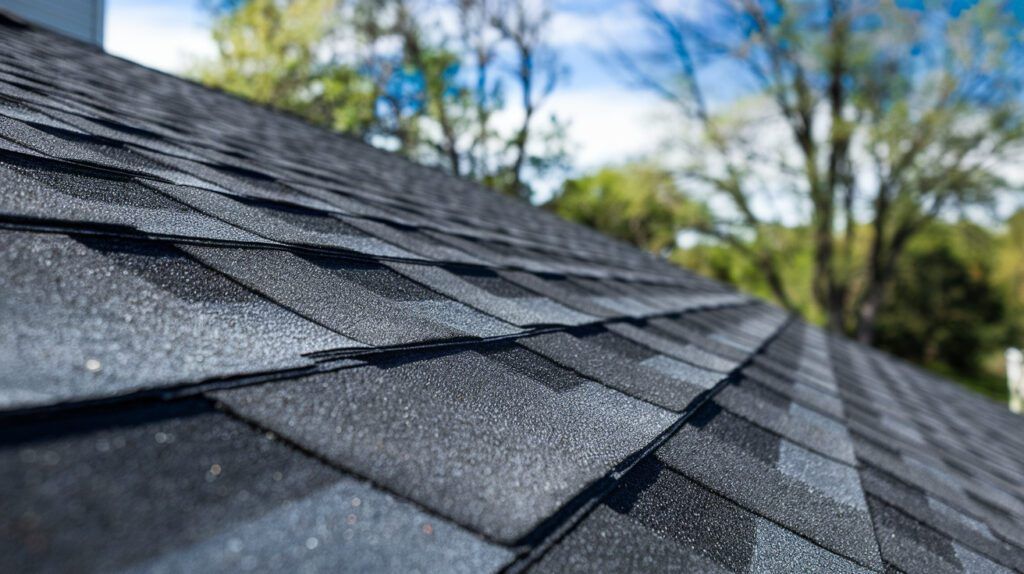
A ceiling drip can be several feet from the opening that let rain in. Straight Forward Construction provides roof leak detection in Bartow, FL, checking the roof and reachable attic areas against the pattern you've noticed indoors. Tell us when the water appears and where it spreads. Those details help us investigate likely sources, including flashing, valleys, and roof openings, before recommending repair work.
Water doesn't always drip straight down from the opening. That makes a ceiling stain a useful starting point, but an unreliable guide to where a roof patch belongs.
For example, rain can enter at flashing uphill from the room and run along a rafter before it shows indoors. A vent pipe seal may be involved, or the moisture could come from plumbing or condensation instead. We compare the stain and any visible water trail with the roofing above it. That connection matters: repairing a spot just because it's directly over the mark can leave the actual leak untouched.

Missing shingles are only one possibility. We follow the available clues through the roof covering, joints, and drainage areas, with the roof type and safe access determining how far the checks can go.
The shape and location of a stain help us start the search. Where attic access allows, damp surfaces above the room may show more of the water's route.
A raised shingle, cracked covering, or open membrane seam can admit rain. We look for displaced and deteriorated materials around the area connected to the leak.
Rain passes through changes in roof direction and around wall connections. Flashing at those points needs checking for gaps that could explain the indoor moisture.
Leaves in a valley, a blocked outlet, or standing water on a low-slope section can redirect runoff. We check where water collects as well as where it should drain.
Small openings around pipe boots, vents, or equipment can produce noticeable stains inside. Their seals and flashing are part of the search, even when no shingles are missing.
A roof defect needs to fit the water pattern before it's treated as the likely source. We'll explain what the evidence supports and where further investigation is still needed.

A split pipe boot may need a limited repair. Several worn sections, repeated leaks, or wet decking can mean more roofing has to come up. We look at the nearby materials and how the damaged area can be reached before explaining the work. Interior repairs come later: the moisture source should be addressed and the affected area allowed to dry before damaged drywall is repaired. Otherwise, the ceiling repair may hide a problem that's still there.
A failed joint or pipe connection may be repairable on its own when the roof around it is sound. The repair needs to address the opening that admitted water.
Missing shingles, worn edges, and failed membrane seams may need their affected components replaced. The work depends on the material and the condition beside the damaged spot.
Several entry points or damaged decking can make repeated small repairs less practical. Broader work deserves comparing when wear is widespread, with both cost and reliability considered.
You don't need to diagnose the leak before contacting us. Knowing which room is affected and when the water shows up is a useful start. We'll compare that information with what we can see inside and on the roof.
Tell us which rooms are affected, when you first noticed water, and whether the wind or intensity of rain changes it.
Safely reachable attic and interior areas may show water trails. We also keep plumbing and other moisture sources in mind.
We check the relevant covering, flashing, roof openings, and drains wherever the roof and weather allow safe access.
We match visible moisture with possible roof openings. Where the clues don't settle the cause, more investigation may be necessary.
You'll hear about the likely fix and any nearby material damage. Temporary protection and permanent roof repairs are discussed as separate needs.
Bartow downpours send more runoff across the roof than a light shower. Wind can also push rain against a wall or vent from a different direction, exposing an opening that stayed dry before.
The weather pattern helps explain an intermittent leak, but it doesn't identify the failed part by itself. Humidity can slow drying too, so an old damp stain may be difficult to read. Record what you notice from a safe place, including when the water starts. Don't climb onto wet roofing to look for it. Roof checks can take place when the conditions allow safe access.
We help homeowners and commercial property owners with roof leak concerns in Bartow and Polk County. Pitched roofs and low-slope surfaces handle runoff differently, so let us know what type of building is affected.
A hard-to-reach source takes different work from an exposed defect. Pitch, access, materials, and the number of suspected openings matter. Hidden moisture or damaged flashing and decking can add to the repair.
Rain driven sideways can get under a loose edge or into a gap beside a wall or pipe. The same spot may stay dry when rain falls straight down. Tell us which storms caused the drip. That information narrows the search, though it doesn't prove which connection is leaking.
Yes. Water can get through flashing, a pipe boot, a valley, or a fastener connection without leaving an obvious missing piece. On low-slope roofs, seams can be involved too. The available water traces and areas we can safely reach determine how closely those sources can be checked.
It could. Plumbing leaks and condensation around air-conditioning parts can look much like rain entering through a roof. When the moisture appears is useful information. So is what can be seen above the ceiling. We keep those other sources in mind instead of assuming every mark needs a roofing repair.
No, not by itself. A small failed part may be repairable when nearby roofing is still sound. Several deteriorated sections, recurring leaks, or damaged decking can change the recommendation. The amount of water visible in the room isn't enough to decide how much of the roof needs work.
Keep people away from wet electrical fixtures. Catch the water only where it's safe and photograph visible damage without putting yourself at risk. Don't get onto a wet roof or cut into a ceiling that may contain wiring. Arrange a check of the source once conditions are safe.
Reaching the source can be a large part of the job. A flashing defect that's easy to access differs from a leak hidden behind several roof layers. Height, roof type, damage, and the materials needed for the repair matter more than how large the stain looks downstairs.
Contact Straight Forward Construction about your Bartow roof leak. Describe the room, when the moisture appears, and any previous patching. We'll discuss the checks needed to find the source and what the roof may need afterward.