Roofing Materials
Broken pieces, exposed fasteners, worn surfaces, and roofing that has moved are worth noting. We inspect reachable areas for these signs, including damage from wind or debris.

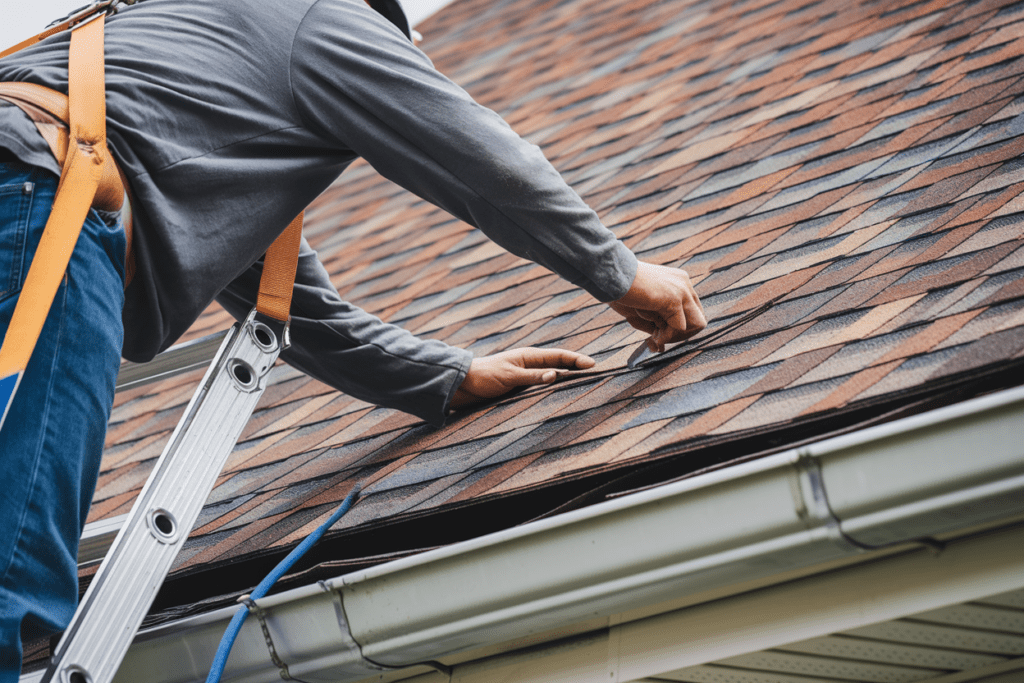
Loose shingles, worn flashing, and blocked drainage aren't always visible from your yard. Straight Forward Construction provides roof inspections in Bartow, FL, for homeowners and commercial property owners. We check the areas we can reach safely, explain what needs repair, and separate those concerns from routine upkeep. You'll also know when a problem needs a closer look before you decide on further work.
An inspection gives you a better understanding of the roof you already have. It isn't an automatic recommendation to replace it.
Perhaps a few shingles shifted after a storm, or you're unsure how much wear an older roof has. Those are good reasons to have it checked. On a commercial building, the questions may concern water standing near a drain or seams around rooftop equipment. We look at those concerns together with the rest of the roof. Some answers remain out of sight: decking and other covered materials may need further testing or an opening before their condition can be confirmed.

We look at the roof surface, its connections, and the route rain takes off the building. The checks depend on what's installed: a metal seam needs different attention from a broken tile.
Broken pieces, exposed fasteners, worn surfaces, and roofing that has moved are worth noting. We inspect reachable areas for these signs, including damage from wind or debris.
Pipe boots, skylight edges, and roof-to-wall joints interrupt the main covering. We look for gaps or worn connections where those openings should keep rain outside.
Debris and blocked outlets can hold water on the roof. Watermarks and signs of ponding help show where drainage needs attention, even when no water is standing there during the visit.
Along the perimeter, we check visible fascia and edge pieces for deterioration, separation, or staining that suggests water is getting behind them.
Tell us about known leaks, including ones that aren't dripping now. Indoor stains and attic areas we can access may help explain a problem seen outside.
We'll explain the visible problems and possible repair priorities. Where the answer is hidden beneath the roofing, we'll say what further testing or opening may be needed.
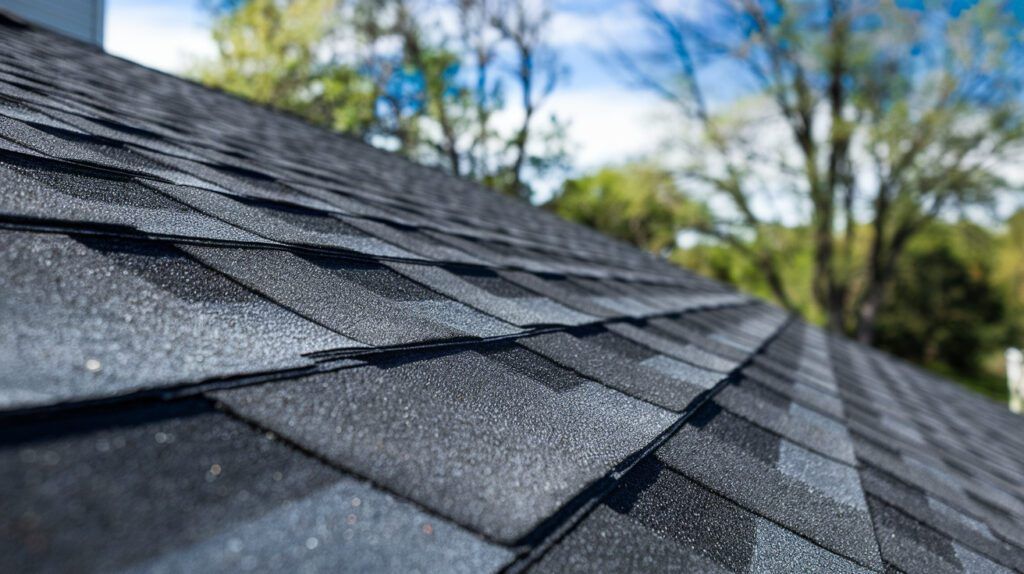
An asphalt-shingle roof may have creased tabs, missing granules, or exposed nails. Tile can look largely intact while the underlayment below it has a problem. Metal roofs need attention at seams and fasteners, including places that allow movement. On low-slope commercial roofs, membrane laps, equipment connections, drains, and perimeter edges are key checks. These differences matter when you're deciding what to repair. A surface that looks tidy from below doesn't tell you how every connection is holding up.
We check for lifted or broken pieces, worn patches, exposed underlayment, and damage along the ridge. Flashing around the covering is part of the review too.
Panel seams, fasteners, and connections around roof openings can loosen or corrode. The inspection covers those we can reach, along with signs that parts have shifted.
Drainage deserves particular attention here. We examine membrane seams, roof openings, and edges, looking for surface damage or signs that water has been sitting on the roof.
Start with the concern that brought you here. We'll explain what we can inspect safely and, after the checks, talk through the findings. Anything we couldn't confirm should be clear too.
Share the roof's age if you know it, past repairs, recent storms, and any leak or section you'd like checked.
We examine the roof and its connections where access is safe. You'll hear about any areas we couldn't inspect.
A ceiling mark may have several possible causes. We compare indoor clues with the roof problems we can see.
We'll explain which areas look sound and which need attention, including whether part of the roof needs opening for further checks.
The findings may lead to maintenance, a repair estimate, or further investigation. Replacement planning belongs in that discussion only when the roof's condition supports it.
Bartow roofs face long periods of heat and UV exposure between sudden downpours. Wind can shift materials, while heavy rain exposes weak seams or blocked outlets.
A routine inspection pays attention to aging materials and drainage, as well as more obvious damage. After a storm, displaced roofing and impact marks need checking too. Not every surface mark is a failure, and a clean-looking roof doesn't prove the layers underneath are dry. When repairs are recommended, the proposed work should explain the materials and access needed. Any permit requirements can then be checked for that particular job.
We review inspection requests for homes and commercial properties in Bartow and nearby Polk County communities. Let us know the building's use and the type of roof when you get in touch.
A larger roof, several levels, or difficult access can change the work involved. Covering type, active leaks, and the amount of documentation matter too. Confirm what's included and any charges before booking.
Book a check when you notice damaged roofing, unexplained stains, a leak, or changes after strong winds. It's also useful before major roofing work or when you're planning for an older roof. The right timing depends on its condition and what it has recently been through.
Yes, some warning signs are visible before water reaches a room. Open seams, cracked pipe boots, shifted roofing, and blocked drainage are examples. Hidden moisture and covered deck damage are harder to judge. A surface inspection alone can't promise to find everything beneath the covering.
The inspection helps you weigh those choices. A few defects may be repairable if the rest of the roof is sound and new work can join securely to the older materials. Widespread deterioration is a different situation. We'll discuss the condition found, rather than start with replacement as the answer.
Ask about access when you arrange the visit. Some checks are outside only; others benefit from seeing the attic or a room with water damage. It's worth confirming whether anyone needs to be inside, what equipment may be used, and how the visit could affect people using the property.
Height, roof area, complexity, materials, and safe access all affect the job. Detailed documentation or extra testing can add work. An initial roof evaluation and a more specialized inspection may cover different things, so ask for the price and the extent of the inspection before the visit.
The damage should be recorded, with active leaks given priority. Repairs, further checks, or a larger roofing project may follow, depending on what's found. Those findings describe the roof's condition. They don't establish insurance coverage or promise that a claim will be approved.
Contact Straight Forward Construction about the stain, storm damage, or roof wear that's worrying you. Tell us what you've noticed and any repairs already made. We'll help you work out which inspection is needed and discuss what it finds.