Step Flashing at Walls
Where a sloped roof meets siding or masonry, the flashing pieces need the right overlap. We check that sequence and where runoff should return to the roof surface.

Flashing protects the places where roofing meets a wall, pipe, chimney, or edge. A loose or worn connection can let rain inside while the surrounding roof still looks fine. Straight Forward Construction investigates flashing leaks in Bartow, FL, and recommends repairs that fit the existing roofing. We check the nearby materials too, because an indoor stain doesn't always sit directly beneath the failed joint.
Flashing directs rain around openings and onto the roof surface. When a joint separates or traps runoff, water can get behind it even though most of the covering is intact.
A cracked collar around a vent pipe is a different problem from metal pulling away beside a wall. Either may leave a stain indoors, sometimes after water has traveled along decking or framing. We inspect the suspected connection and the roofing around it before deciding what to repair. Replacing a damaged boot or flashing section may be enough. Where adjoining materials have also failed, those need attention so the new part doesn't leave another opening beside it.

A wall junction, valley, and pipe boot each handle water differently. The repair needs to suit that connection and the roofing around it, including any material underneath that has already become wet or damaged.
Where a sloped roof meets siding or masonry, the flashing pieces need the right overlap. We check that sequence and where runoff should return to the roof surface.
A split collar, loose base, or raised fastener can leave an opening around a plumbing vent. We look at the whole boot and its attachment, not just the visible crack.
The metal around a chimney has to work with both the roof covering and masonry joints. Counterflashing and the connected pieces need checking where those materials meet.
Valleys carry runoff from adjoining roof slopes. Debris, moved metal, gaps, or failed connections can interrupt that route and let water into the layers below.
At roof edges, loose metal and worn connections can give wind-driven or backed-up water a way inside. We inspect the visible terminations and how they join the covering.
Replacement flashing needs to connect with intact underlayment and covering. Where nearby materials are damaged, the repair may need to include them so a gap isn't left beside the new work.

On a shingle roof, flashing relies on the way pieces overlap beneath the courses. Tile can hide metal at a junction, making access more involved. Metal roofing has fasteners and movement to account for, while a low-slope membrane needs secure connections where it meets walls or perimeter metal. We also look at the age and condition of nearby roofing. That helps determine whether an existing piece can be reset, needs replacing, or sits within a larger damaged area.
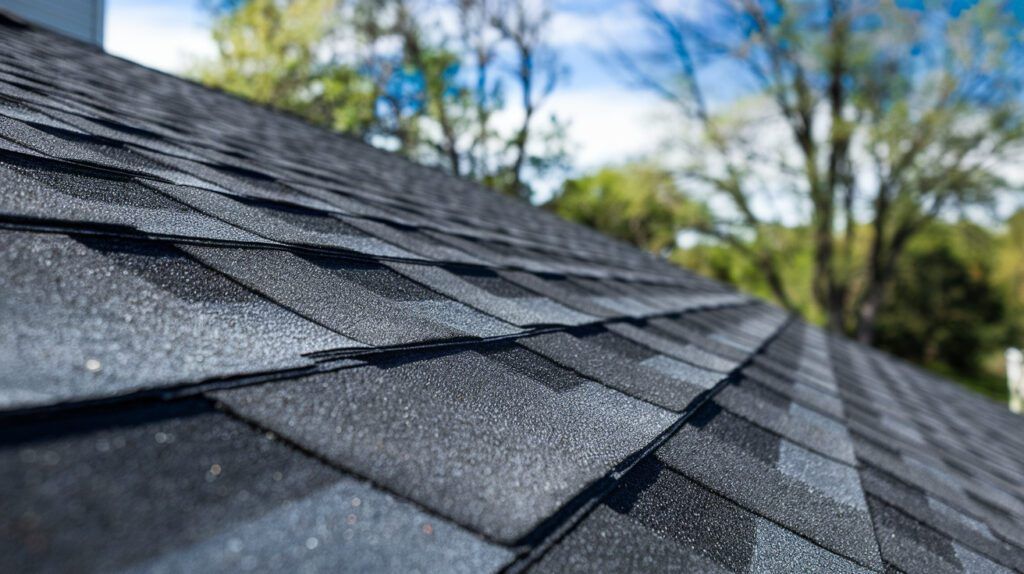
Step flashing, valley pieces, and pipe boots must work with the shingles and underlayment. Caulk may be part of a repair, but it can't replace the correct overlap.
Tiles may need careful lifting to reach the flashing. Metal connections call for suitable fasteners and closures, with room for the movement the roof was designed to allow.
At walls, drains, and roof edges, membrane flashing must join compatible materials without leaving a break. How that connection is rebuilt matters as much as the replacement piece.
First, we need to know which connection is leaking. Then we explain the metalwork and surrounding roofing involved, including what the proposed repair will address and any problems outside that work.
Tell us where the stain appears and whether it follows steady rain, windy weather, or only certain storms.
We inspect suspected wall joints, vents, valleys, and nearby roofing, looking for an opening and signs that water has traveled.
The fix may involve resetting a piece, replacing flashing, or repairing a wider area. We'll explain which parts need attention.
Approved flashing work includes the necessary connections to nearby layers so runoff goes away from the opening rather than behind it.
We look over the surrounding connections, clear repair debris, and point out any areas that still need attention afterward.
Roofing components expand and contract with heat. During thunderstorms, rain can be pushed against wall joints and roof openings from the side, putting those connections to a different test from a light shower.
A leak that appears only in certain weather still needs the joint and surrounding roof checked. It doesn't prove the pipe boot is at fault. Don't climb onto a steep or slippery roof to investigate it yourself. When repair work will open a substantial area or change the roof assembly, permit and inspection requirements should be confirmed for that work before it proceeds.
Contact us about a failed roof connection at your home or commercial property in Bartow or nearby Polk County. The roofing material, access, and location of the joint help determine what's involved.
A single vent boot is a different job from several flashing pieces around a chimney. Roof height, material, joint length, concealed water damage, and the covering that must be lifted all affect the work.
Not necessarily. Water can enter through damaged roofing or a seam farther uphill and travel before it reaches that spot. Condensation can leave a similar mark too. The vent boot is worth checking, but so is the roof beside and above it.
Sometimes sealant belongs in a repair. It isn't a substitute for replacing worn parts or correcting a bad overlap, though. Coating a loose or rusty joint may leave the cause in place. The flashing and nearby roofing need to join properly so water drains over the connection.
A failed pipe boot or a limited wall junction may be repaired without replacing the rest. That depends on the condition of the roofing around it. Brittle materials or several deteriorated connections may require more extensive work. The failed flashing alone doesn't settle that decision.
Most work takes place on the roof, but you'll likely notice noise. Access near the work area may be restricted, and the space below may need protection. The leak's location, roof height, weather, and amount of roofing opened affect how much disruption to expect.
It should identify the failed connection and the materials included in the repair. Complicated junctions take more work than an easy-to-reach pipe boot. Damage to adjoining shingles, tile, membrane, decking, or wall materials can add to the job, so ask whether those areas are included.
Arrange a check if you've noticed new leaks, displaced metal, lifted roofing, or damage beside an opening. Wind-driven rain can expose a gap that hadn't caused trouble before. Stay off the roof and have the suspected damage examined when it can be reached safely.
Tell Straight Forward Construction where rain is showing up at your Bartow property. A stain beside a chimney, vent, or wall gives us a place to start. We'll check the suspected flashing and nearby roofing, then discuss the repair needed.