Find Where Water Entered
Valleys, vents, eaves, and surrounding roofing need checking for leaks or collected water. Replacing a panel without addressing that source can leave the repaired area exposed to moisture again.

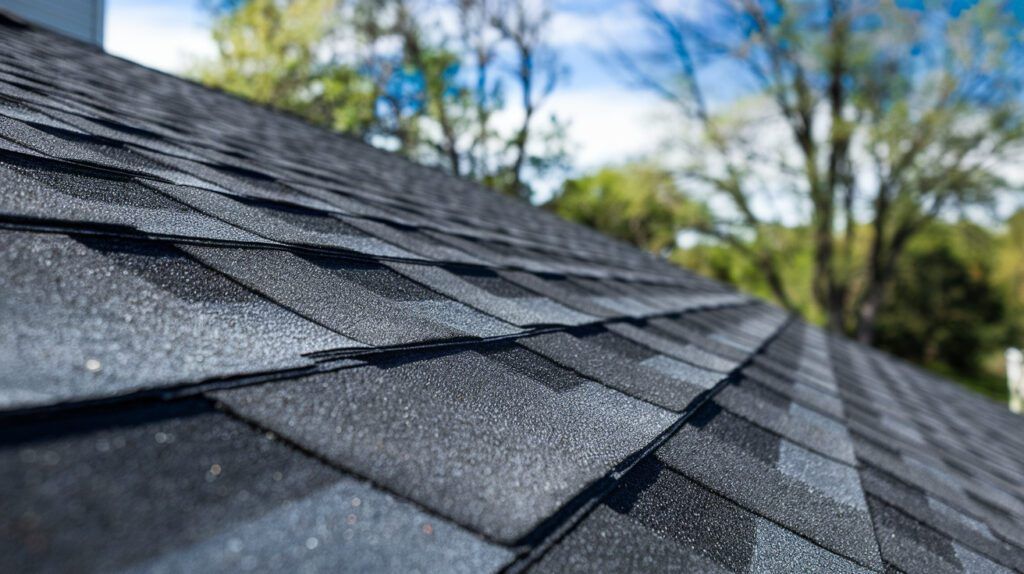
Roof decking is the base beneath the visible roofing. Soft panels, recurring leaks, or deteriorated sheathing can mean that base needs attention before the covering goes back on. Straight Forward Construction reviews damaged roof decking in Bartow, FL. We look at the affected area and nearby materials, explain what can be repaired locally, and flag signs that the damage may extend farther.
Swollen or decayed panels may lose strength and their grip on fasteners. Covering that area with a surface patch won't restore the damaged base.
A leak beside a vent or valley can wet more sheathing than the stain below suggests. Water may spread along the underside through several rains before you notice it indoors. We check the nearby deck and roofing to see how far the problem reaches. One failed panel doesn't mean every sound panel beside it has to go. But material that's no longer suitable to support the roofing shouldn't be hidden beneath a new covering.

The job includes reaching the damaged panels, finding why they became wet, and restoring the layers above them. How much roofing comes up depends on what the inspection and opening reveal.
Valleys, vents, eaves, and surrounding roofing need checking for leaks or collected water. Replacing a panel without addressing that source can leave the repaired area exposed to moisture again.
The necessary covering and underlayment are lifted to reach the deck. Roofing that's meant to stay needs protection while the affected section is opened.
Rot, swollen edges, separating layers, and failed attachments help show a panel's condition. Evidence of damage to framing or other building parts may require separate attention.
Replacement panels need to suit the roof assembly. Their thickness, support, spacing, and fastening all matter when rebuilding the base beneath the covering.
Underlayment, flashing, and roofing have to reconnect around the repaired section. A sound panel still needs those layers above it to carry rain off the roof.
The surrounding materials and joins are checked before the work area is cleared. We'll also explain any remaining areas that need watching after the repair.
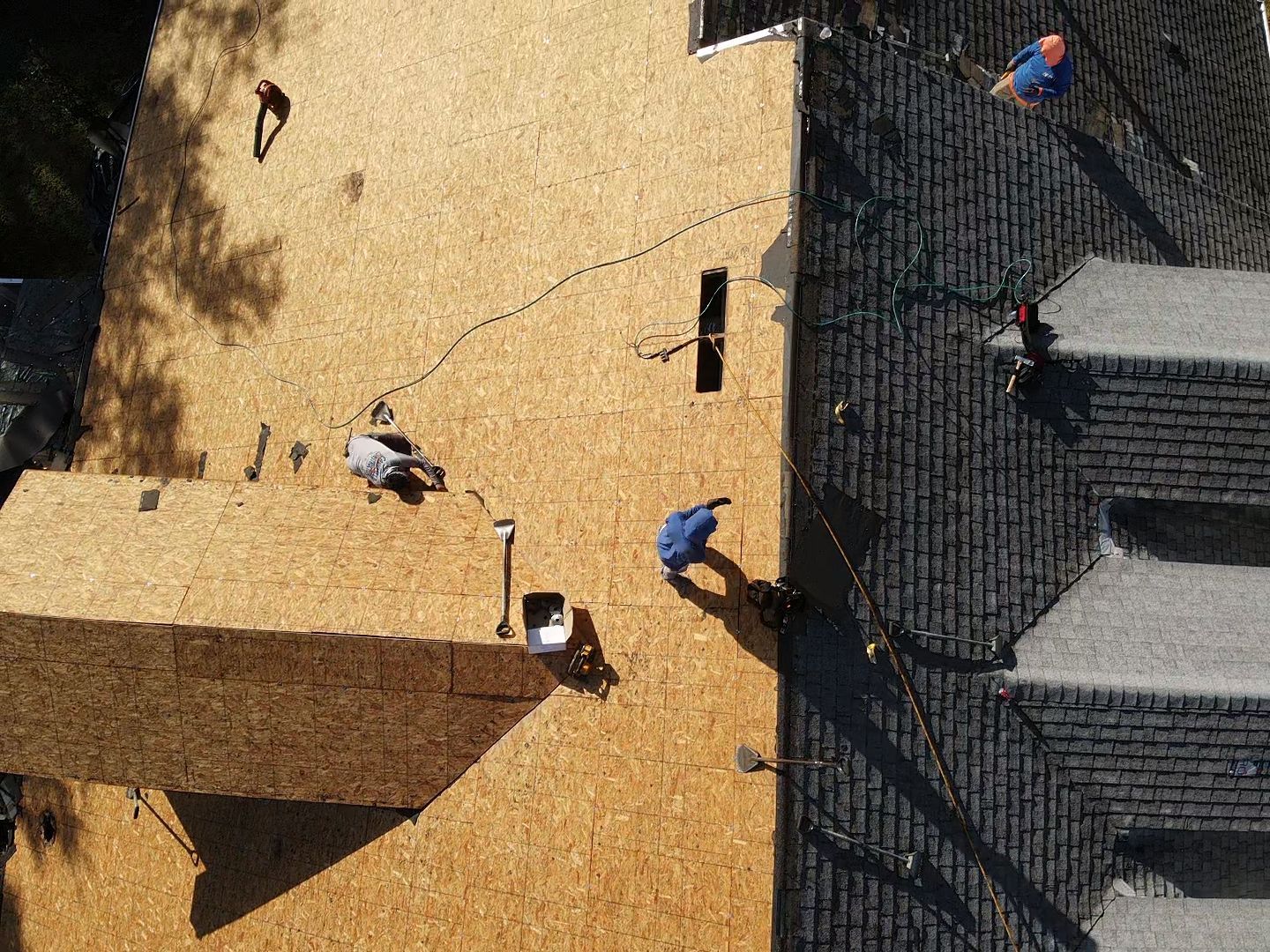
A damaged panel beneath asphalt shingles takes different access work from one below tile, metal, or a commercial membrane. Some materials may be reusable; others need replacing once the section is opened. Attachments and temporary weather protection also affect the plan. We consider those details before recommending the work. If the problem extends into insulation or framing, that needs further assessment rather than being treated as a panel-only repair or an automatic reason to replace the entire roof.
Shingles and underlayment may need lifting around the panel. Once the deck is repaired, the section must reconnect with the remaining courses and flashing.
Tiles or metal panels may need careful removal. Clips, fasteners, battens, and the materials underneath affect how the deck can be reached and covered again.
Insulation and other layers may sit between the membrane and deck. Trapped moisture and the way the repaired section joins the existing roof affect the work needed.
Some damage is visible from the start; some only appears after roofing comes up. We'll discuss the access needed, check exposed materials, and explain any change to the repair as the extent becomes clearer.
Let us know about past leaks, recent storms, ceiling marks, and changes you've noticed in the attic or roofline.
We explain which roofing needs opening, the materials involved, and how nearby areas will be protected. Some conditions may still be hidden.
Once exposed, panels and connections can be examined more closely. We'll explain any damage that changes the agreed repair work.
Unsuitable decking is replaced as approved, followed by the protective layers needed to close the repaired section of roof.
The final checks cover the repair details and work-area cleanup. We'll discuss any follow-up checks or maintenance the roof still needs.
Bartow's humid weather and sudden summer rain make moisture a concern beneath the roofing as well as on top. A normal-looking surface doesn't show whether water remains under another layer.
A panel's history matters even when it feels dry at the visit. Repeated leaks around openings, poor drainage, or trapped moisture can leave damage that still needs attention. We consider where the water came from and the condition it left behind. The amount of roofing removed can also affect permit and inspection requirements. Those should be confirmed for the property and planned repair before work starts.
We review damaged decking at properties in Bartow and nearby Polk County. Tell us where you've seen sagging, stains, or panel damage and what roof covering is in place.
The number of damaged panels is only part of the price. Pitch, access, covering type, removal, and disposal add work. Damaged insulation or framing found after opening can increase it further.
Sagging, softened sheathing, deteriorated panel edges, and recurring moisture marks are reasons for a check. They don't tell you the full extent on their own. The inspection helps determine whether you're dealing with a surface leak, damage to the supporting panels, or both.
Sometimes. Getting wet doesn't automatically make a panel unsuitable, but drying doesn't prove it's sound either. After the moisture source is corrected, its strength, layers, and ability to hold the required fasteners need checking. Rotten or structurally unsuitable material shouldn't be covered and left in place.
A local repair may work when the damage is limited and the surrounding roofing can be reconnected reliably. Widespread panel failure, several active leaks, or badly deteriorated covering may make a larger job more practical. The decision depends on the deck and the roofing that has to go back over it.
Part of the exterior roof normally has to be opened to reach the deck. That can temporarily expose the work area and create noise. Discuss weather protection, access, and the order of work beforehand, especially with rain expected or people using the rooms below.
It should explain what's included and how newly discovered damage will be handled. The full extent may not be visible until the covering is removed. Height, slope, panel and covering materials, disposal, and repairs to adjoining flashing or framing all affect the cost too.
Yes, a storm opening or persistent leak is a reason to check for exposed or weakened sheathing. Don't walk onto a roof area you suspect is soft. If water is coming in, ask about safe temporary protection while the damage and repairs are being assessed.
A recurring leak, sagging section, or damaged panel deserves a closer look. Contact Straight Forward Construction with what you've noticed at your Bartow property. We'll review the visible damage and explain what a decking repair may involve.